Ear Health and Jaw Alignment: Exploring Their Link

Last Updated on 22/04/2025 by Admin

Unveiling the Intricate Anatomy of the Ear and Jaw

Delving into the Structure and Function of the Ear
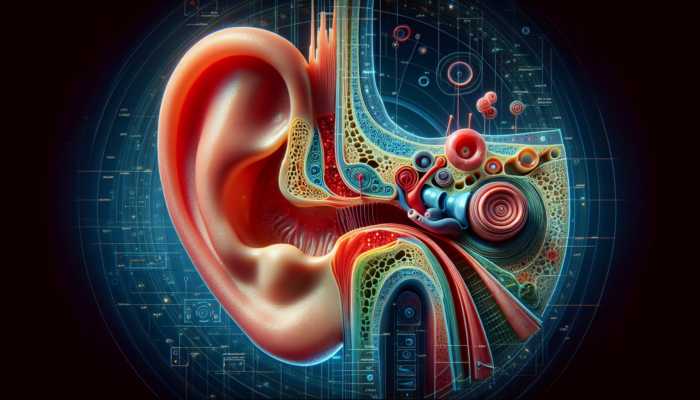
Cross-section of human ear showing outer, middle, inner parts, labeled pinna, eardrum, ossicles, cochlea.

The ear is a remarkably sophisticated organ, meticulously designed to enable both hearing and balance. It comprises three fundamental sections: the outer ear, the middle ear, and the inner ear. Each segment serves a vital purpose in the auditory process. The outer ear, including the pinna and ear canal, efficiently captures sound waves and channels them towards the eardrum. This membrane vibrates in response to incoming sounds, transmitting these vibrations to the middle ear. Within this area, three tiny bones known as the ossicles amplify these vibrations and convey them to the inner ear, where the actual transformation of sound energy occurs.

Within the complex architecture of the inner ear lies the cochlea, a spiral-shaped organ responsible for converting these vibrations into electrical impulses for the brain. This transformation is crucial for sound interpretation. Additionally, the inner ear houses the vestibular system, which plays a significant role in maintaining equilibrium. The anatomical proximity of the ear to the jaw, particularly the temporomandibular joint (TMJ), is particularly significant. Any disturbance in one area may lead to cascading effects in the other, resulting in various health complications. Understanding this intricate system lays the groundwork for exploring the relationship between ear health and jaw alignment.

Gaining Insight into Jaw Mechanics

The jaw, or mandible, is not merely a static bone structure; it functions dynamically, playing a crucial role in essential activities such as chewing, speaking, and even conveying facial expressions. The mandible connects to the skull at the temporomandibular joint (TMJ), an intricate joint that allows for various movements, including hinging, sliding, and rotating. This flexibility is indispensable for everyday activities like eating and communicating, significantly contributing to overall quality of life.

The mechanics of the jaw also have profound implications on the structure and function of the face. Proper alignment can enhance both aesthetic appeal and functional capabilities, while misalignment may lead to a myriad of issues. Problems associated with jaw mechanics can manifest not only in the jaw itself but also in surrounding structures, including the ears. The interconnected musculature and nerve pathways between the jaw and ear suggest that misalignment can result in symptoms such as ear pain or tinnitus. Understanding these jaw mechanics is essential for recognising how they influence ear health and contribute to the relationship between ear health and jaw alignment.

Investigating the Interconnected Dynamics of Ear and Jaw

The close anatomical relationship between the ear and jaw creates complex interactions between these two systems. Issues arising in the jaw can lead to discomfort and dysfunction that radiate to the ear, while problems within the ear may present symptoms related to the jaw. For instance, individuals suffering from temporomandibular joint disorders (TMD) often report experiencing ear pain, frequently described as a sense of fullness or pressure.

This interconnectedness indicates that a multidisciplinary approach is imperative when addressing health concerns. For example, if a patient presents with ear pain and no identifiable ear pathology is detected, a comprehensive examination of dental health and jaw alignment may reveal underlying issues. The muscles responsible for mastication and those supporting ear function are interconnected, highlighting the importance of addressing both areas in treatment. As we delve deeper into the relationship between ear health and jaw alignment, it becomes increasingly evident that a thorough understanding of these systems is vital for effective diagnosis and treatment.

Recognising Symptoms and Conditions Associated with Ear and Jaw Health

A medical illustration of common symptoms like fever, rash, headache, and related conditions like flu, allergies, migraines.

Identifying Ear-Related Health Conditions

Symptoms related to ear health often extend beyond the ear itself, as conditions such as tinnitus, hearing loss, and ear pain are frequently associated with jaw misalignment. Tinnitus, characterised by a persistent ringing or buzzing sound in the ears, can arise from various sources, including issues within the auditory system and jaw dysfunction. Studies indicate that individuals with TMD often experience heightened instances of tinnitus, suggesting a clear link between these two conditions.

Moreover, hearing loss may also be influenced by jaw alignment. The function of the middle ear is intricately connected to the TMJ; dysfunction in the joint can disrupt the ossicular chain, resulting in decreased auditory sensitivity. Additionally, ear pain—a symptom that frequently concerns patients—may be misdiagnosed if the underlying cause is not thoroughly assessed. Often, jaw misalignment may be the hidden culprit behind what appears to be an isolated ear issue. Understanding these connections is essential for both patients and practitioners, as it underscores the need for a holistic approach in treating symptoms related to the relationship between ear health and jaw alignment.

Gaining Insight into Jaw Disorders and Their Effects

Temporomandibular disorders (TMD) encompass a spectrum of conditions affecting the jaw joint and surrounding musculature. Symptoms can vary widely, manifesting as jaw pain, clicking sounds during movement, or difficulties in opening and closing the mouth. These disorders can significantly impact ear health, often causing referred pain to the ear or a sensation of fullness.

The relationship between TMD and ear health highlights the necessity for thorough evaluation. For example, an individual with persistent ear pain might spend considerable time consulting otolaryngologists, only to discover that their symptoms stem from jaw mechanics rather than an ear-related condition. Misalignment of the jaw can place undue stress on the TMJ, leading to inflammation and pain that radiates to the ear. Thus, recognising jaw disorders is fundamental to understanding their potential effects on ear health, reinforcing the importance of considering the connection between ear health and jaw alignment when conducting patient assessments.

Navigating Overlapping Symptoms Effectively
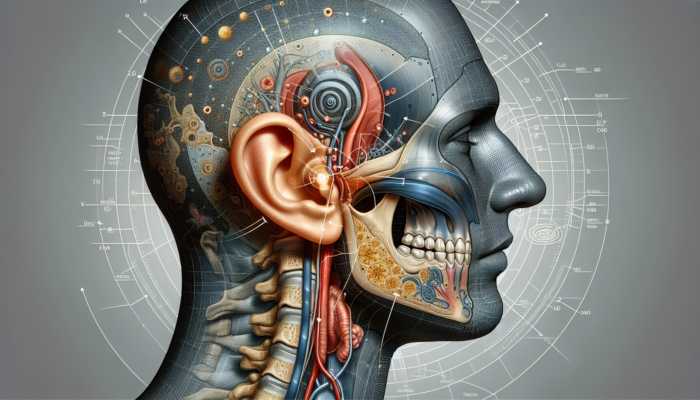
Illustration of ear and jaw anatomy showing overlapping symptoms and potential misdiagnosis pathways.

Patients experiencing symptoms related to both their ears and jaws often present a diagnostic challenge. The overlapping nature of these symptoms underscores the interconnectedness of the two systems. For example, someone with jaw pain may also report ear discomfort or a sensation of pressure, indicating a possible connection that warrants thorough investigation. This co-occurrence can result in misdiagnosis, as healthcare providers may focus on one area without considering the implications for the other.

A multidisciplinary approach is essential when addressing overlapping symptoms. Collaboration among dental professionals and otolaryngologists can yield a more comprehensive understanding of these symptoms. This synergy is particularly crucial in developing treatment plans, as addressing both dental and auditory health can significantly enhance patient outcomes. Raising awareness of the potential overlap between ear and jaw symptoms fosters a more holistic approach to healthcare, emphasising the importance of recognising the connection between ear health and jaw alignment in clinical practice.

Managing Head and Neck Pain Associated with Jaw Issues

Chronic pain in the head and neck regions can often be traced back to jaw misalignment, which can lead to ear-related symptoms. Conditions such as TMD can create tension in the muscles of the jaw, neck, and even the face. This tension may manifest as headaches, neck pain, or discomfort in the ear, creating a cycle of pain that can be difficult to break.

Understanding the broader implications of head and neck pain is vital for effective treatment. Many patients may not realise that addressing jaw misalignment can alleviate symptoms that seem unrelated, such as ear pain or chronic headaches. Healthcare providers must adopt a comprehensive approach to assessment and treatment, recognising the potential for jaw-related issues to influence overall health. By embracing the interconnected nature of these areas, practitioners can better serve their patients and highlight the relationship between ear health and jaw alignment in discussions about pain management strategies.

Implementing Effective Diagnostic Approaches for Ear and Jaw Health

Utilising Medical Imaging for Precise Diagnoses

Medical imaging technologies, such as MRI and CT scans, are invaluable tools for diagnosing conditions that affect both the ear and jaw. These advanced imaging techniques provide detailed visualisations that can reveal structural abnormalities, such as misalignments or degenerative changes in the TMJ or ear structures. MRI is particularly effective for assessing soft tissue complications, allowing clinicians to visualise the disc within the TMJ and any inflammation or damage that may be present.

Conversely, CT scans excel at providing high-resolution images of bony structures, making them ideal for identifying issues related to jaw alignment and ear anatomy. The combination of these imaging modalities enhances diagnostic accuracy, facilitating a comprehensive understanding of the patient’s condition. By utilising medical imaging alongside clinical evaluations, healthcare professionals can better clarify the connection between ear health and jaw alignment, ultimately leading to more targeted treatment strategies and improved patient outcomes.

The Significance of Clinical Examinations in Diagnosis

Clinical examinations form a foundational element in diagnosing conditions related to ear and jaw health. A thorough physical examination involves evaluating the patient’s history, conducting a meticulous inspection of the jaw and ear regions, and performing functional tests to assess movement and pain levels. During this process, healthcare providers can identify signs of TMD, such as restricted jaw mobility or tenderness in the masticatory muscles.

Furthermore, assessing auditory function is also critical in this context. A comprehensive evaluation may include hearing tests to determine if any auditory deficits are present. This combination of assessments allows clinicians to correlate findings from both the ear and jaw, offering insights into how these areas may influence each other. Recognising the importance of clinical examinations in uncovering the link between ear health and jaw alignment emphasises the necessity for a multifaceted approach to healthcare.

Stressing the Importance of Multidisciplinary Assessment for Comprehensive Care

The complexity of the relationship between ear health and jaw alignment necessitates a multidisciplinary approach to assessment and treatment. Collaboration between otolaryngologists, dentists, and other healthcare professionals is crucial for obtaining a comprehensive diagnosis. By pooling their expertise, specialists can consider all possible factors impacting a patient’s condition, leading to more effective management strategies.

For instance, a patient presenting with ear pain may benefit from evaluations by both an ENT specialist and a dentist to identify any underlying jaw issues. This collaborative model not only enhances diagnostic accuracy but also fosters a more holistic understanding of the patient’s health. As interdisciplinary studies continue to unfold, recognising the relationship between ear health and jaw alignment in healthcare will become increasingly important, paving the way for advancements in patient care.

The Role of Audiometric Testing in Diagnosis

Audiometric testing plays a crucial role in the diagnostic process for conditions affecting ear health. These tests evaluate the patient’s hearing capabilities and can help identify auditory issues related to ear and jaw conditions. For instance, a comprehensive audiometric assessment may reveal patterns of hearing loss that correlate with jaw misalignment or TMD.

In cases where patients present with both ear and jaw symptoms, audiometric testing provides valuable insights into the functioning of the auditory system. Understanding the interplay between these two systems is vital for effective diagnosis and treatment. By incorporating audiometric testing into the assessment process, healthcare providers can better elucidate the link between ear health and jaw alignment, leading to more targeted interventions that address the root causes of symptoms.

Utilising Electrophysiological Studies for Comprehensive Analysis

Electrophysiological studies are advanced diagnostic techniques that measure nerve and muscle function, providing critical insights into disorders affecting the ear and jaw. These tests, which may include electromyography (EMG) or nerve conduction studies, can help assess the functionality of the muscles involved in chewing and those associated with hearing.

In patients with TMD, for instance, EMG can reveal abnormal muscle activity that may contribute to ear-related symptoms. By evaluating the electrical activity of muscles and nerves, these studies offer a deeper understanding of how dysfunction in one area can lead to cascading issues in another. Highlighting the relevance of electrophysiological studies reinforces the importance of recognising the link between ear health and jaw alignment in developing effective treatment plans tailored to individual patient needs.

Exploring Treatment Options for Ear and Jaw Health Conditions

Implementing Conservative Treatments for Effective Relief

For many patients experiencing symptoms related to both ear health and jaw alignment, conservative treatments represent a viable first line of defence. These methods aim to alleviate discomfort and restore function without resorting to invasive procedures. Physical therapy, for instance, can be highly effective in addressing muscle tension and improving jaw mobility. Through targeted exercises, patients learn to strengthen and relax the muscles associated with the jaw, thereby reducing strain that may impact ear health.

In addition, medications, including anti-inflammatory drugs and muscle relaxants, can play a role in managing pain and discomfort related to TMD and ear conditions. By carefully considering the specific symptoms and underlying causes, healthcare providers can tailor treatment plans that address both ear and jaw health. This holistic approach underscores the importance of recognising the relationship between ear health and jaw alignment when devising effective treatment strategies prioritising patient comfort and quality of life.

Exploring Dental Interventions for Enhanced Health

Dental interventions often serve as essential components of treatment for individuals experiencing issues related to jaw alignment and ear health. Orthodontic treatments, such as braces or aligners, can correct misalignment of the jaw, potentially alleviating associated ear symptoms. Furthermore, dental appliances, such as splints or mouthguards, can be prescribed to alleviate pressure on the jaw joint, minimising discomfort and reducing the risk of teeth grinding.

Collaborative efforts between dental and medical professionals are essential in these cases, ensuring a comprehensive approach to patient care. By addressing jaw alignment through dental interventions, practitioners can contribute to improved ear health and overall well-being. Emphasising the role of dental professionals in understanding the connection between ear health and jaw alignment highlights the importance of a multidisciplinary strategy in effective treatment planning.

Considering Surgical Interventions for Persistent Conditions

In instances where conservative and dental interventions fail to provide relief, surgical options may become necessary. Surgical solutions can vary significantly, ranging from minimally invasive procedures to more extensive operations aimed at correcting structural problems in the jaw or ear. For example, arthroscopy can address TMJ dysfunction, allowing for the removal of damaged tissue or repositioning of the joint.

In severe cases involving chronic ear issues linked to jaw alignment, surgical intervention may be required to establish a more functional relationship between these two systems. While surgery is typically considered a last resort, it can offer significant benefits for patients experiencing debilitating symptoms. By recognising the potential need for surgical options, healthcare providers can better address the connection between ear health and jaw alignment and tailor treatment plans that align with patient needs and expectations.

Implementing Preventive Measures for Optimal Health

The Importance of Regular Health Check-ups

Routine check-ups with both dental and ENT professionals play a critical role in maintaining ear and jaw health. Regular visits allow for the early detection of potential issues, which can prevent complications before they escalate. For instance, dental examinations can identify signs of jaw misalignment or TMD, enabling timely interventions that may alleviate ear-related symptoms.

Similarly, ENT evaluations can catch auditory health concerns early on, ensuring that any overlapping symptoms are addressed before they lead to significant discomfort or dysfunction. Emphasising the importance of preventive care highlights the value of recognising the connection between ear health and jaw alignment in maintaining overall health and well-being.

Prioritising Oral Hygiene for Preventive Care

Maintaining good oral hygiene is fundamental for reducing the risk of developing jaw problems that can influence ear health. Poor oral hygiene may lead to dental issues such as cavities and gum disease, which can affect jaw alignment and function. Additionally, untreated dental problems can create imbalances in the jaw that contribute to TMD and related symptoms.

Encouraging patients to prioritise their oral health through regular brushing, flossing, and dental visits can help prevent the onset of conditions that may affect both the jaw and ears. By highlighting the importance of proper oral hygiene practices, healthcare providers can reinforce the significance of recognising the connection between ear health and jaw alignment in promoting holistic health.

Making Lifestyle Changes for Healthier Outcomes

Implementing lifestyle changes can profoundly impact both ear and jaw health. For instance, avoiding habits such as teeth grinding or clenching can relieve unnecessary stress on the jaw joint and minimise discomfort that may radiate to the ear. Furthermore, maintaining a balanced diet rich in nutrients supports overall health, including the structures associated with hearing and jaw function.

Incorporating stress management techniques, such as mindfulness and relaxation exercises, can also be beneficial. Stress can exacerbate muscle tension and contribute to jaw-related issues, leading to ear-associated symptoms. By encouraging patients to embrace healthy habits, healthcare providers empower them to take charge of their well-being and recognise the connection between ear health and jaw alignment in their daily lives.

Utilising Protective Gear to Prevent Injuries

Using protective gear can help prevent injuries to both the jaw and ear during activities that pose a risk. For instance, wearing mouthguards during contact sports can reduce the likelihood of dental injuries and jaw misalignments. Similarly, utilising ear protection in noisy environments can safeguard hearing health and prevent damage to the auditory system.

Promoting the use of protective gear underscores the importance of proactive measures in preserving ear and jaw health. By emphasising the need for safety during high-risk activities, healthcare professionals contribute to a greater awareness of the connection between ear health and jaw alignment, ultimately supporting patient well-being and reducing the incidence of related health issues.

Understanding the Impact on Quality of Life

Overcoming Communication Barriers Related to Ear and Jaw Health

Addressing ear and jaw health is essential for effective communication. Individuals experiencing ear issues, such as hearing loss or tinnitus, may struggle to engage in conversations, leading to feelings of frustration and isolation. Similarly, jaw-related problems can affect speech clarity, further complicating interpersonal interactions.

The interplay between these two areas can significantly impact a person’s social and professional life. Individuals may withdraw from social situations due to embarrassment or discomfort, ultimately reducing their quality of life. Recognising the interconnectedness of ear and jaw health reinforces the importance of addressing both systems to promote effective communication and overall well-being. Understanding the connection between ear health and jaw alignment is crucial for healthcare providers working to support patients in maintaining healthy relationships and fulfilling lives.

Effectively Managing Pain and Discomfort

Chronic pain stemming from ear and jaw issues can have debilitating effects on daily life. Individuals may endure persistent discomfort that limits their ability to engage in regular activities, from eating and speaking to participating in hobbies and social gatherings. This pain can create a cycle of frustration, impacting mental health and overall well-being.

Moreover, the effects of pain can extend beyond physical discomfort. Individuals may feel anxious or depressed due to the persistent nature of their symptoms, leading to further complications in their lives. Acknowledging the significant impact of pain on quality of life underscores the need for a comprehensive understanding of the connection between ear health and jaw alignment, enabling healthcare providers to offer targeted support that addresses both physical and emotional well-being.

Recognising the Psychological Effects of Chronic Conditions

The psychological effects of chronic ear and jaw issues cannot be understated. Persistent symptoms can lead to heightened stress and anxiety, as individuals grapple with the uncertainty of their conditions and the limitations they impose on their lives. Feelings of helplessness and frustration can arise, resulting in a diminished quality of life.

Furthermore, social withdrawal due to communication challenges or pain can amplify feelings of isolation. Understanding the psychological ramifications of these conditions is essential for healthcare providers, as it highlights the need for a holistic approach to treatment that considers both physical and mental health. By recognising the connection between ear health and jaw alignment, practitioners can better support their patients in navigating the complexities of their experiences and fostering resilience in the face of adversity.

Addressing Sleep Disturbances Linked to Ear and Jaw Conditions

Conditions affecting ear and jaw health can significantly disrupt sleep patterns, leading to fatigue and decreased quality of life. Individuals with TMD may struggle to find comfortable sleeping positions, while those experiencing ear pain or discomfort may have difficulty falling or staying asleep.

Sleep disturbances can lead to a range of negative outcomes, including increased irritability, difficulty concentrating, and impaired cognitive function. The interplay between ear and jaw conditions necessitates a comprehensive understanding of how these issues can impact sleep, enabling healthcare providers to develop targeted interventions that promote restorative rest. By addressing the connection between ear health and jaw alignment, practitioners can enhance their patients’ overall quality of life and support better sleep habits.

Future Research Directions in Ear and Jaw Health

Embracing Technological Innovations for Enhanced Outcomes

The future of diagnostic and treatment approaches for conditions affecting ear and jaw health is promising, thanks to rapid technological advancements. Emerging technologies, such as artificial intelligence and machine learning, offer new avenues for improving diagnostics and tailoring treatment plans. For instance, AI-driven imaging analysis may enhance the accuracy of detecting structural abnormalities in the jaw and ear, leading to more effective interventions.

Additionally, telemedicine technologies are increasingly being utilised to provide remote consultations and follow-ups, making healthcare more accessible to individuals in underserved areas. Exploring the role of technology in addressing the connection between ear health and jaw alignment presents exciting opportunities for improving patient care and outcomes, paving the way for more efficient and effective treatment strategies.

Advancing Interdisciplinary Research for Comprehensive Insights

The importance of interdisciplinary research cannot be overstated when exploring the relationship between ear health and jaw alignment. Studies that combine insights from dentistry, otolaryngology, and other relevant fields can yield new understandings of how these two areas interact. Collaborative studies may uncover novel connections, leading to more targeted treatment approaches and improved patient outcomes.

As the scientific community continues to emphasise the significance of interdisciplinary collaboration, healthcare providers can better address the complexities of conditions affecting both ear and jaw health. Recognising and exploring the connection between ear health and jaw alignment within the context of interdisciplinary research will pave the way for advancements in patient care and promote a more comprehensive understanding of these interconnected systems.

Enhancing Public Awareness for Improved Health Outcomes

Increasing public awareness about the relationship between ear health and jaw alignment is crucial for promoting early intervention and preventive care. Educational initiatives aimed at both healthcare professionals and the general public can help foster a better understanding of how these systems interact and the importance of seeking comprehensive care.

By raising awareness, individuals may be more inclined to recognise symptoms that warrant attention, empowering them to seek appropriate evaluations and treatment. Public health campaigns highlighting the connection between ear health and jaw alignment can encourage proactive health management and ultimately lead to improved outcomes for patients experiencing related conditions.

Frequently Asked Questions (FAQs)

How are ear health and jaw alignment related?

The close anatomical relationship between the ear and jaw means that issues in one area can significantly impact the other. Misalignment of the jaw can lead to symptoms such as ear pain or tinnitus, highlighting the interconnected nature of these systems.

Can jaw issues lead to ear pain?

Yes, jaw problems, particularly temporomandibular disorders (TMD), can result in ear pain or a sensation of fullness in the ear. This occurs due to the shared musculature and nerve pathways between the jaw and ear.

What preventive measures can I take for ear and jaw health?

Maintaining good oral hygiene, scheduling regular check-ups with dental and ENT professionals, and managing stress are effective strategies to prevent issues related to ear and jaw health.

What treatments are available for TMD-related ear symptoms?

Treatment options may include physical therapy, dental interventions such as orthodontics or splints, and, in severe cases, surgical solutions. A multidisciplinary approach is often necessary for effective management.

Is there a connection between tinnitus and jaw alignment?

Yes, studies have shown that individuals with TMD often report experiencing tinnitus. Misalignment of the jaw can lead to auditory system dysfunction, contributing to this condition.

How can lifestyle changes improve ear and jaw health?

Lifestyle adjustments, such as avoiding teeth grinding, maintaining a balanced diet, and practising stress management techniques, can significantly enhance both ear and jaw health.

What role does medical imaging play in diagnosing ear and jaw issues?

Medical imaging techniques like MRI and CT scans provide detailed insights into structural abnormalities, aiding healthcare providers in accurately diagnosing conditions affecting both the ear and jaw.

Can physical therapy assist with ear and jaw problems?

Yes, physical therapy can help alleviate muscle tension and improve jaw function, which may, in turn, relieve ear-related symptoms associated with TMD or jaw misalignment.

Are surgical options effective for treating ear and jaw disorders?

In cases where conservative treatments fail, surgical options can be effective in correcting structural problems in the jaw or ear, leading to significant symptom relief for patients.

Why is multidisciplinary care essential for ear and jaw health?

Multidisciplinary care ensures that all aspects of a patient’s condition are considered, allowing for a comprehensive approach to diagnosis and treatment that addresses the interconnected nature of ear and jaw health.

Explore our journey on X!

The post Ear Health and Jaw Alignment: Understanding the Connection appeared first on The Microsuction Ear Wax Removal Network.

Originally posted 2025-04-23 03:12:27.

The post Ear Health and Jaw Alignment: Exploring Their Link appeared first on Healthcare Marketing Service.

Regenerative Ear Medicine: A Universal Hope Awaits

Innovative Breakthroughs in Regenerative Ear Medicine for Hearing Restoration

Regenerative ear medicine is at the forefront of revolutionary healthcare advancements, offering transformative solutions that could reshape our understanding of and response to hearing loss. With the rising prevalence of auditory disorders worldwide, the demand for pioneering treatments has never been more urgent. Researchers and healthcare professionals are leveraging state-of-the-art technologies to create therapies that aim not only to restore hearing but also to significantly improve the quality of life for countless individuals. This section provides an in-depth exploration of the latest advancements in regenerative techniques, showcasing the extraordinary progress made in this vital field.

Exploring the Potential of Stem Cell Therapies in Hearing Restoration

Scientists in a futuristic lab regenerating ear tissues with stem cells, focusing on cochlear function and hair cell regeneration.

Stem cell therapies stand out as one of the most promising areas within Regenerative ear medicine. These innovative therapies capitalize on the remarkable ability of stem cells to differentiate into various cell types, including those essential for the regeneration of ear tissues. Research indicates that stem cells can be sourced from various tissues, such as bone marrow or adipose tissue, and directed to develop into specialized cells that restore cochlear function. For example, studies in animal models have demonstrated that introducing stem cells into damaged regions of the ear can regenerate hair cells, which are crucial for translating sound waves into electrical signals for the brain.

This potential is not merely a theoretical concept; clinical trials are actively being conducted globally to evaluate the safety and effectiveness of different types of stem cell therapies in humans. In Japan, researchers are at the forefront, investigating the application of induced pluripotent stem cells (iPSCs) to regenerate sensory hair cells in the cochlea. The outcomes of these trials could herald a new era in which hearing loss, particularly forms related to aging and noise exposure, can be effectively treated rather than merely managed.

Moreover, the possibility of integrating stem cell therapies with other treatment approaches, such as gene therapy and tissue engineering, could enhance their effectiveness, creating a comprehensive strategy for hearing restoration. As these therapies evolve, there is hope that they will be customized to individual patient needs, resulting in personalized treatment plans that optimize outcomes. The transition of stem cells from laboratory research to clinical application marks a significant advancement in tackling hearing impairment.

Advancements in Tissue Engineering for Ear Reconstruction

Tissue engineering is a cutting-edge field focused on creating biological substitutes that can restore, maintain, or enhance the function of damaged ear structures. Central to this innovation is the development of scaffolds and biocompatible materials that allow for the controlled growth of new tissues. Researchers are investigating a variety of materials, including hydrogels and polymers, that can mimic the natural architecture of ear structures, providing crucial support for cell proliferation and tissue regeneration.

These engineered tissues have the potential to replace damaged components of the ear, such as the tympanic membrane or segments of the cochlea. Practically, this means that patients with severe structural damage could benefit from procedures where engineered tissues are implanted, promoting natural healing and restoring functionality. Notably, advancements in 3D printing technology are enabling the creation of patient-specific scaffolds, improving the accuracy and effectiveness of these interventions. This precision not only increases the likelihood of successful integration into the body but also significantly minimizes the risk of complications.

On an international scale, collaborative research initiatives are accelerating developments in tissue engineering. For instance, a research team in the Netherlands is pioneering the use of 3D-printed scaffolds for reconstructing the inner ear, with the goal of providing viable solutions for individuals with congenital auditory conditions. The implications of such breakthroughs are profound; they not only promise improved surgical outcomes but also pave the way for innovative treatments tailored to the unique needs of individual patients.

Revolutionizing Hearing Restoration Through Gene Therapy

gene therapy presents a groundbreaking approach to treating hearing loss by directly modifying the genetic material within ear cells. This treatment methodology aims to repair or replace defective genes that contribute to auditory dysfunction. By utilizing viral vectors to deliver therapeutic genes, scientists are working to unlock dormant regenerative pathways within the ear, potentially rejuvenating damaged cells and restoring hearing capabilities.

One of the most compelling uses of gene therapy lies in its ability to address genetic forms of hearing loss, particularly those caused by mutations in key genes such as GJB2, which encodes for the protein connexin 26, crucial for hearing. Innovative trials across the United States and Europe are investigating whether introducing corrected versions of these genes can lead to a functional recovery of auditory capabilities. The success of such trials could signify a groundbreaking shift in the treatment of hereditary hearing impairments, offering not just symptomatic relief but a genuine reversal of the condition.

Additionally, the versatility of gene therapy opens avenues for potential applications beyond current treatments, hinting at its use as a preventive measure. For individuals genetically predisposed to hearing loss, early interventions utilizing gene therapy could help mitigate future risks. As research in this area progresses, there is hope that gene therapy will become a cornerstone of personalized medicine within audiology, fundamentally transforming the landscape of global hearing healthcare.

Harnessing Growth Factors for Enhanced Ear Regeneration

A regenerating human ear with glowing growth factors stimulating new cochlear hair cell growth.

The application of growth factors in regenerative ear medicine represents a crucial strategy aimed at promoting cell proliferation and differentiation during ear regeneration processes. Growth factors are proteins that play vital roles in cell signaling and can stimulate the growth of cochlear hair cells, which are essential for hearing. By administering these factors directly to damaged regions of the ear, researchers aim to activate natural healing processes and restore auditory function.

Clinical studies have demonstrated the efficacy of specific growth factors, such as fibroblast growth factor (FGF) and brain-derived neurotrophic factor (BDNF), in facilitating hair cell regeneration. Notably, a pioneering trial conducted in Australia involved administering FGF to patients experiencing significant hair cell loss. Preliminary findings indicated remarkable improvements in auditory function, suggesting that the targeted delivery of growth factors could offer a viable treatment avenue for various forms of hearing loss.

Furthermore, the synergistic effect of combining growth factors with other regenerative strategies, including stem cell therapies, may enhance therapeutic outcomes. This multifaceted approach is gaining momentum, with researchers investigating combination therapies that leverage both stem cells and growth factors to maximize regenerative potential. As the scientific community continues to unravel the complexities of growth factor interactions within the ear, the prospect of revitalizing auditory health becomes increasingly attainable, offering hope for those affected by hearing loss.

The Transformative Impact of Regenerative Ear Medicine on Hearing Loss

The transformative potential of regenerative ear medicine on hearing loss is profound, introducing new treatment paradigms that offer hope to millions globally. With hearing impairment being a critical health issue impacting individuals across all demographics, advancements in regenerative techniques hold the potential to drastically enhance lives. This section delves into how these innovations can facilitate early intervention, restore functionality, promote sustainable hearing health, and implement proactive prevention strategies.

The Critical Role of Early Intervention in Hearing Health

In the domain of hearing health, the timing of interventions is paramount. The role of regenerative medicine in regenerative ear medicine underscores the significance of early intervention in halting the progression of hearing loss. Research indicates that conditions such as ototoxicity, often caused by certain medications, can result in irreversible damage if not addressed promptly. Regenerative therapies present a potential solution by enabling swift action to regenerate damaged tissues before significant hearing loss occurs.

Moreover, advancements in diagnostic technologies, such as high-resolution imaging and genetic testing, facilitate earlier identification of hearing loss risk factors. By integrating these technologies with regenerative medicine, healthcare providers can identify at-risk populations and implement preemptive regenerative treatments. For instance, children born with genetic predispositions to hearing loss may significantly benefit from early stem cell interventions, potentially alleviating lifelong auditory challenges.

Globally, initiatives aimed at promoting awareness of early intervention are crucial in encouraging proactive healthcare behaviors. Countries like Sweden and Canada have established screening programs that enable early detection and intervention for hearing impairments in infants. By pairing such programs with innovative regenerative therapies, the potential to transform outcomes for affected individuals becomes not just a possibility but a tangible reality.

Enhancing Auditory Function Through Restoration Techniques

A futuristic lab regenerating ear structures like hair cells and tympanic membrane, enhancing hearing and improving patients' lives.

Restorative therapies within regenerative ear medicine have the potential to significantly enhance hearing capabilities, thereby improving the overall quality of life for individuals experiencing hearing loss. The regeneration of functional ear structures, such as hair cells or the tympanic membrane, can lead to substantial benefits, ranging from improved communication to more fulfilling social interactions.

Methods like stem cell therapies and tissue engineering are paving the way for revolutionary advancements in auditory function restoration. For example, clinical trials have shown that patients undergoing hair cell regeneration report notable improvements in sound perception, marking a significant step toward normalizing auditory experiences.

Additionally, these restorative approaches could reduce the dependency on assistive devices such as hearing aids or cochlear implants. Many patients express a preference for natural restoration over mechanical aids due to the limitations that devices impose on daily life. As regenerative techniques advance, the hope is that patients will not only regain hearing but also develop a renewed sense of autonomy and connection to their environment.

Long-Term Sustainability in Hearing Health Through Regenerative Approaches

In assessing the long-term benefits of regenerative medicine, it is crucial to consider sustainability in hearing health. Unlike traditional solutions, which often provide temporary relief, regenerative approaches hold the potential for lasting restoration of auditory function. By addressing the underlying causes of hearing loss through innovative therapies, patients may experience improved hearing capabilities well into their later years.

Research has indicated that regenerative therapies can lead to not only temporary hearing improvements but also long-term stabilization of auditory function. For instance, studies examining gene therapy and growth factor applications have shown the potential for ongoing cellular rejuvenation, allowing sustained auditory function over time.

Moreover, the long-term cost-effectiveness of regenerative treatments presents a compelling case for their widespread adoption. By reducing the need for ongoing therapies or devices, both patients and healthcare systems could experience significant financial relief. As the field progresses, the future of hearing health promises to be not only brighter but also more economically sustainable for individuals and societies worldwide.

Proactive Strategies to Prevent Hearing Loss

The proactive application of regenerative medicine in regenerative ear medicine could revolutionize hearing health by preventing hearing loss before it manifests. Through innovative research, scientists are investigating strategies to utilize regenerative techniques not only for treatment but also as preventive measures to protect hearing health.

One focus area involves administering growth factors or stem cell treatments to individuals at risk of hearing loss due to environmental exposure or genetic predispositions. For instance, individuals working in noisy environments, such as construction or music, may benefit from preventative interventions that stimulate ear tissue regeneration before damage occurs.

Educational initiatives aimed at raising awareness about hearing health and the potential of regenerative medicine are essential for cultivating a culture of prevention. Countries like Australia have implemented community outreach programs emphasizing the importance of protective measures against hearing loss, such as limiting exposure to loud noises. By combining these efforts with advances in regenerative therapies, the future holds promise for safeguarding the hearing of diverse populations.

Navigating Ethical Considerations in Regenerative Ear Medicine

As the field of regenerative ear medicine advances, ethical considerations become increasingly prominent in discussions surrounding its applications. The potential of these innovative therapies brings with it complex dilemmas that must be addressed thoughtfully. This section examines critical ethical issues, such as consent, accessibility, safety, and regulatory oversight, which are essential in shaping the future of regenerative therapies.

Ensuring Patient Consent and Autonomy in Treatment Decisions

The ethical implications of utilizing regenerative therapies in regenerative ear medicine highlight the importance of patient autonomy and informed consent. As with any medical intervention, patients must be fully informed about the potential risks, benefits, and alternatives associated with regenerative therapies. This transparency is vital for fostering trust between healthcare providers and patients.

Informed consent processes should include comprehensive discussions regarding the experimental nature of many regenerative techniques, particularly in their early phases. For example, patients participating in clinical trials must not only understand the potential benefits but also the uncertainties surrounding long-term outcomes. Providing patients with clear and understandable information empowers them to make informed choices about their healthcare.

Moreover, ethical considerations extend to vulnerable populations, such as children or individuals with cognitive impairments, necessitating additional protective measures. It is essential for healthcare providers to advocate for these individuals while ensuring their voices are included in the decision-making process. The ongoing discourse surrounding consent and autonomy will critically shape the ethical landscape of regenerative ear medicine.

Promoting Accessibility and Equity in Regenerative Therapies

Ensuring accessibility and equity in regenerative ear medicine is crucial to guarantee that these groundbreaking therapies are available to all who need them, regardless of their socioeconomic status. As advancements progress, there is a risk that disparities may arise, potentially favoring those with greater financial resources while leaving marginalized communities underserved.

Addressing these disparities requires a coordinated effort among healthcare providers, policymakers, and advocacy organizations to facilitate equitable access to regenerative therapies. Innovative models, such as subsidized healthcare programs and community clinics, could help bridge the gap for low-income families seeking treatment for hearing loss.

Global collaboration is also vital in promoting equity in regenerative medicine. Initiatives fostering partnerships between developed and developing nations can facilitate knowledge sharing, resource allocation, and capacity building, ensuring that advancements in hearing health are universally accessible. By prioritizing equitable access, the promise of regenerative ear medicine can fulfill its potential as a transformative healthcare solution.

Ensuring Long-Term Safety of Regenerative Treatments

Evaluating the long-term safety of regenerative treatments is a critical concern as the field of regenerative ear medicine continues to evolve. While many innovative therapies show promise, rigorous monitoring for adverse effects over extended periods is essential to ensure patient well-being.

Clinical trials play a crucial role in this safety evaluation, providing invaluable data on the potential risks associated with regenerative therapies. Regulatory bodies must enforce stringent guidelines that mandate ongoing safety assessments, enabling a proactive approach to addressing any emerging concerns. For example, monitoring patients who have undergone gene therapy for auditory conditions will be vital in understanding the long-term implications on health and overall quality of life.

Furthermore, transparency in reporting adverse outcomes will enhance public trust in regenerative therapies. Patients must be informed of potential risks, and healthcare providers need to be equipped to manage any complications that may arise. By prioritizing long-term safety and transparency, the field of regenerative ear medicine can cultivate a foundation of trust and confidence among patients and the broader community.

Establishing Ethical Oversight and Regulation in Regenerative Medicine

The advancement of regenerative ear medicine necessitates robust ethical oversight and regulatory compliance to protect patient rights and foster public trust. As new therapies emerge, regulatory bodies must keep pace with innovations to ensure that ethical standards are upheld throughout the development and application of regenerative treatments.

International guidelines and frameworks should be established to streamline the ethical review process for regenerative therapies, ensuring alignment with established principles of safety, efficacy, and patient welfare. For example, organizations like the World Health Organization (WHO) and other global health entities can play a crucial role in shaping ethical guidelines that encompass diverse cultural perspectives and healthcare systems.

Furthermore, encouraging collaboration between researchers, clinicians, and ethicists will enhance the dialogue surrounding regenerative therapies, ensuring that multiple viewpoints are considered. Engaging stakeholders in discussions about ethical implications can lead to more inclusive policies that reflect the needs and values of various communities. By prioritizing ethical oversight and regulation, the future of regenerative ear medicine can be navigated with integrity, leading to advancements that are both beneficial and just for all.

Driving Research and Development in Regenerative Ear Medicine

The promise of regenerative ear medicine relies heavily on ongoing research and development efforts that push the boundaries of what is achievable in treating hearing loss. Prioritizing collaboration and innovation, this section discusses the significance of interdisciplinary partnerships, funding sources, clinical trials, and the overall landscape shaping the future of regenerative therapies.

Fostering Collaborative Efforts for Advancements in Regenerative Medicine

Interdisciplinary collaboration is vital for advancing research in regenerative ear medicine. Given the inherent complexity of the field, drawing expertise from various disciplines—such as biology, engineering, and audiology—can accelerate discoveries and enhance therapeutic approaches.

Research institutions worldwide are forming collaborative networks to share knowledge, resources, and innovative techniques. For instance, universities and biotech companies are partnering on projects that combine stem cell research with advanced material science, aiming to create biocompatible scaffolds for ear tissue regeneration. These collaborative efforts not only foster innovation but also catalyze the translation of research findings into practical solutions for patients.

Moreover, global collaborations facilitate cross-cultural exchanges of ideas and best practices. By bringing together researchers from different regions, diverse perspectives can lead to novel insights and solutions. As the scientific community increasingly embraces collaboration, the collective effort will pave the way for groundbreaking advancements in regenerative ear medicine.

Securing Funding and Resources for Regenerative Research

Exploring the financial and infrastructural needs to support ongoing research in regenerative ear medicine is essential for sustaining progress. Securing funding is often one of the most significant challenges researchers encounter, as grants and investments are critical for facilitating innovative studies and clinical trials.

Government agencies, private foundations, and corporate sponsorship can play pivotal roles in providing the necessary resources for transformative research. For example, initiatives like the National Institutes of Health (NIH) in the United States offer substantial grants specifically aimed at advancing hearing health research, including regenerative therapies.

Additionally, fostering public-private partnerships can amplify funding opportunities, enabling researchers to tackle ambitious projects with substantial potential impact. As investments in regenerative medicine increase, the prospects for transformative advancements in hearing health become more achievable, promising a future where hearing loss is effectively addressed.

Clinical Trials as a Foundation for Validating Regenerative Therapies

Clinical trials are the cornerstone of validating and refining regenerative ear medicine techniques. These trials provide the necessary framework to assess the safety and efficacy of emerging therapies, ensuring they meet the rigorous standards required for clinical application.

Within the realm of regenerative ear medicine, clinical trials are actively ongoing across various global locations, exploring a multitude of innovative treatments. For example, a multinational trial involving gene therapy for hereditary hearing loss is examining the long-term effects and functional outcomes in diverse populations. The data collected from these trials will not only inform clinical practices but also contribute to a broader understanding of the potential of regenerative therapies.

Furthermore, patient involvement in clinical trials is crucial for enhancing the research process. Engaging patients as active participants not only empowers them but also fosters a sense of community among those affected by hearing loss. By prioritizing patient-centered research, the future of regenerative ear medicine can be shaped in a manner that genuinely addresses the needs and expectations of individuals seeking treatment.

Understanding Patient Perspectives on Regenerative Ear Medicine

The journey toward comprehending the impact of regenerative ear medicine is incomplete without considering patient perspectives. Their hopes, expectations, and experiences are invaluable in shaping future treatment options. This section explores the hopes and challenges faced by patients in the context of regenerative therapies.

Patient Hopes and Expectations for Regenerative Treatments

For individuals facing hearing loss, the promise of regenerative ear medicine serves as a beacon of hope. Many patients are eagerly looking forward to the potential of innovative therapies to restore their auditory abilities, fundamentally changing their lives. The emotional burden of hearing loss—often marked by feelings of isolation and communication barriers—intensifies the desire for effective solutions.

Patients’ expectations surrounding regenerative treatments can be quite high, fueled by compelling media narratives and successful clinical trial outcomes. However, it is essential for healthcare providers to manage these expectations through transparent communication. By discussing the current limitations of regenerative therapies and the ongoing nature of research, providers can empower patients to maintain realistic outlooks while still remaining optimistic about future advancements.

Globally, patient advocacy groups are emerging to support individuals navigating the complexities of hearing loss treatments. These organizations play a crucial role in disseminating information about regenerative therapies, connecting patients with resources, and fostering community support. By amplifying patient voices, the future of regenerative ear medicine can be shaped to reflect the collective hopes and expectations of those it aims to serve.

Enhancing Quality of Life Through Regenerative Therapies

The impact of regenerative treatments on quality of life is profound. For many patients, the restoration of hearing capabilities translates into significant improvements in daily experiences, ranging from social interactions to professional opportunities. Reconnecting with loved ones and engaging in conversations previously hindered by hearing loss can restore a sense of normalcy and belonging.

Research indicates that individuals who undergo successful regenerative therapies often report substantial improvements in their mental well-being. The reduction of frustration associated with hearing loss can lead to enhanced emotional health and increased confidence in social situations. This holistic improvement in quality of life underscores the transformative potential of regenerative ear medicine.

Moreover, the ripple effects of enhanced hearing capabilities extend beyond the individual. Families and communities benefit from the re-engagement of those affected by hearing loss, strengthening relationships and shared experiences. The cumulative impact of these improvements on society emphasizes the importance of prioritizing advancements in regenerative ear medicine for the betterment of global communities.

Addressing Challenges and Concerns in Regenerative Medicine

Despite the optimism surrounding regenerative therapies, patients often encounter challenges and concerns that warrant careful consideration. Issues related to efficacy, safety, and accessibility must be addressed to build trust in these emerging treatments.

Concerns regarding the long-term effects of regenerative therapies can lead to hesitancy among patients considering clinical trial participation or pursuing these innovative options. It is vital for healthcare providers to engage in open dialogues with patients, addressing their concerns and providing reassurance about the rigorous safety protocols in place.

Additionally, the accessibility of regenerative treatments remains a pressing issue. Patients from disadvantaged backgrounds may face barriers to accessing cutting-edge therapies, exacerbating existing healthcare inequities. Advocacy for equitable access to regenerative ear medicine is crucial to ensuring that all individuals have the opportunity to benefit from these advancements.

By acknowledging and addressing these challenges, the future of regenerative ear medicine can be guided by a patient-centered approach, ultimately leading to more effective and inclusive solutions for hearing loss.

Exploring Future Prospects in Regenerative Ear Medicine

As we look ahead, the future of regenerative ear medicine is filled with possibilities that could redefine the landscape of hearing health. This section examines potential technological innovations, broader applications, necessary policy updates, and the importance of global collaboration in advancing these therapies.

Technological Innovations Shaping the Future of Regenerative Medicine

Technological advancements will play a crucial role in enhancing the promise of regenerative ear medicine. As research progresses, innovations in areas such as biomaterials, gene delivery systems, and imaging techniques will create new opportunities for effective treatments.

For instance, the development of advanced biomaterials that closely mimic the natural environment of ear tissues can optimize cell growth and integration, further improving regenerative outcomes. Additionally, innovations in gene delivery systems will enhance the precision and efficiency with which therapeutic genes are introduced into target cells, maximizing the efficacy of gene therapy.

Moreover, advancements in diagnostics, such as high-throughput sequencing, will enable more personalized approaches to treatment. By identifying individual genetic profiles, tailored therapies can be designed to meet each patient’s specific needs, significantly improving treatment success rates.

As these technological innovations continue to evolve, they will reshape the landscape of regenerative ear medicine, paving the way for groundbreaking therapies that can effectively address the challenges posed by hearing loss.

Broader Applications of Regenerative Medicine Principles

The principles of regenerative medicine extend beyond hearing health, with potential applications in various medical fields. Techniques developed for regenerative ear medicine may be leveraged to treat other forms of sensory loss or even organ regeneration, underscoring the universal applicability of these advancements.

For example, methodologies employed in regenerative ear medicine, such as tissue engineering and stem cell therapies, could be adapted to address conditions affecting vision or other sensory modalities. Exploring these broader applications could yield innovative treatments that transform patient care across multiple disciplines.

Furthermore, the insights gained from research focused on regenerative ear medicine can inform best practices in other areas of regenerative medicine, fostering a more integrated approach to healthcare. By recognizing the interconnectedness of various medical fields, we can unlock new avenues for treating a wide array of conditions.

Policy and Regulatory Updates for Advancing Regenerative Therapies

The rapid evolution of regenerative therapies necessitates a proactive approach to policy and regulation. As the field progresses, it is crucial for regulatory bodies to adapt existing frameworks to accommodate the unique challenges posed by regenerative medicine.

Updating policies to reflect the latest scientific understandings and technological advancements will ensure that patients have access to safe and effective treatments. By fostering an environment that encourages innovation while maintaining rigorous safety standards, regulatory agencies can facilitate the responsible advancement of regenerative therapies.

Moreover, involving stakeholders in discussions about policy formulation can lead to more comprehensive regulations that reflect the needs of patients, healthcare providers, and researchers alike. By prioritizing collaborative dialogue, the future of regenerative ear medicine can be guided by a shared commitment to ethical practice and patient welfare.

Fostering Global Collaboration for Advancements in Regenerative Ear Medicine

The advancement of regenerative ear medicine is a global endeavor that thrives on collaboration and knowledge sharing. Fostering international partnerships among researchers, healthcare providers, and policymakers is essential for accelerating progress and promoting equitable access to innovative therapies.

Global initiatives, such as collaborative research networks and cross-border clinical trials, can enhance the exchange of ideas and facilitate the rapid dissemination of findings. By pooling resources and expertise from diverse regions, the scientific community can address complex challenges and drive advancements that benefit individuals worldwide.

Furthermore, promoting cultural awareness and understanding in the context of regenerative medicine can lead to more inclusive approaches that respect diverse patient perspectives. By prioritizing global collaboration, the future of regenerative ear medicine can be shaped by a collective vision of health equity and innovation.

Advancing Educational Outreach in Regenerative Ear Medicine

As the promise of regenerative ear medicine unfolds, the significance of educational outreach becomes increasingly apparent. This section explores the importance of public awareness, professional training, and community engagement in fostering understanding and support for these transformative therapies.

Enhancing Public Awareness of Regenerative Ear Medicine

Educating the public about the potential and limitations of regenerative ear medicine is crucial for fostering informed discussions and realistic expectations. Awareness campaigns can help demystify the complexities of regenerative therapies while promoting understanding of the underlying science.

Effective communication strategies, such as public seminars, online resources, and social media engagement, can reach diverse audiences and facilitate dialogue around hearing health. By providing accessible information, these initiatives can empower individuals to make informed decisions regarding their auditory health and explore available treatment options.

Furthermore, addressing common misconceptions about regenerative medicine is essential for building trust within the community. By presenting clear, evidence-based information, healthcare providers can help bridge gaps in understanding and foster confidence in emerging therapies.

Providing Professional Training in Regenerative Techniques

Ensuring that healthcare professionals are well-trained in the latest regenerative techniques and their applications is paramount for the successful implementation of these therapies. Continuing education programs and specialized training courses can equip professionals with the knowledge and skills necessary to navigate the evolving landscape of regenerative medicine.

Collaborative efforts between academic institutions, research organizations, and clinical settings can facilitate the development of comprehensive training programs that encompass both theoretical knowledge and practical experience. By fostering a culture of lifelong learning, the healthcare workforce can remain at the forefront of advancements in regenerative ear medicine.

Additionally, interdisciplinary training initiatives can enhance collaboration between various healthcare disciplines, promoting a holistic approach to patient care. By fostering a collaborative mindset among healthcare professionals, the future of regenerative ear medicine can be shaped by the collective expertise of diverse fields.

Engaging Communities in Discussions About Regenerative Medicine

Engaging communities in discussions about regenerative medicine is vital for fostering understanding and support. Community outreach programs can facilitate open dialogues that address the concerns, hopes, and expectations of individuals affected by hearing loss.

By creating platforms for community engagement—such as public forums, workshops, and informational sessions—healthcare providers can cultivate a sense of belonging and support among individuals navigating the challenges of hearing loss. These initiatives not only empower patients but also foster a sense of community solidarity.

Moreover, involving community members in the research process can enhance the relevance of studies and ensure that patient perspectives are considered. By prioritizing community engagement, the future of regenerative ear medicine can be shaped by the voices of those it aims to serve, ultimately leading to more effective and inclusive solutions.

Frequently Asked Questions About Regenerative Ear Medicine

What is regenerative ear medicine?

Regenerative ear medicine focuses on innovative therapies aimed at restoring hearing by repairing or replacing damaged ear tissues using techniques like stem cell therapy, tissue engineering, and gene therapy.

How do stem cell therapies work in ear medicine?

Stem cell therapies aim to regenerate damaged ear tissues by utilizing stem cells that can differentiate into the specific cell types needed to restore auditory function, potentially reversing hearing loss.

What advancements are being made in tissue engineering for hearing restoration?

Tissue engineering is developing biocompatible scaffolds that support the growth of new ear structures, allowing for the replacement of damaged tissues, such as the tympanic membrane and cochlea.

How does gene therapy contribute to hearing restoration?

Gene therapy involves modifying genetic material to repair or replace defective genes responsible for hearing loss, offering a targeted approach to restore auditory function in patients with genetic predispositions.

What role do growth factors play in ear regeneration?

Growth factors are proteins that stimulate cell growth and differentiation, enhancing the regeneration of hair cells in the cochlea and promoting natural healing processes for better hearing.

Can regenerative medicine prevent hearing loss?

Yes, regenerative medicine has the potential to offer preventive treatments by addressing risk factors early, such as administering therapies to at-risk populations, thereby mitigating future hearing loss.

What ethical considerations surround regenerative ear medicine?

Key ethical considerations include ensuring informed consent, addressing accessibility and equity, evaluating long-term safety, and establishing ethical oversight for the development of regenerative therapies.

How important are collaborative efforts in advancing regenerative ear medicine?

Collaborative efforts among researchers, clinicians, and institutions are crucial for driving innovation, sharing knowledge, and accelerating the translation of research findings into practical applications for patients.

What are the long-term benefits of regenerative ear medicine?

Long-term benefits include sustainable restoration of hearing function, reduced reliance on assistive devices, and improved quality of life for individuals experiencing hearing loss.

How can the public be educated about regenerative ear medicine?

Public awareness can be fostered through educational campaigns, community outreach programs, and accessible resources, empowering individuals to understand and engage with advancements in hearing health.

Explore our world on X!

The post Regenerative Ear Medicine: A Universal Hope Awaits appeared first on The Microsuction Ear Wax Removal Network.