Hearing Aid Hygiene: Essential Tips for Best Practices

Essential Daily Routines for Optimal Hearing Aid Maintenance

Hearing aids are intricate devices that demand a strong commitment to hygiene to ensure their optimal performance. Establishing a reliable daily maintenance routine is not just about keeping them visually appealing; it has a direct impact on sound quality, longevity, and the overall user experience. Consistent upkeep, which includes cleaning techniques, moisture checks, and battery care, lays the groundwork for the best practices for hearing aid hygiene that every user should embrace.

Effective Cleaning Techniques for Hearing Aids

Utilizing a soft cloth and a gentle brush is essential for the daily upkeep of hearing aids. These tools are indispensable as dust, debris, and natural skin oils quickly accumulate, which can adversely affect their functionality and sound clarity. A soft cloth can effectively wipe away visible dirt, while a specialized brush designed specifically for hearing aids can gently dislodge stubborn particles lodged in hard-to-reach areas. Pay special attention to the microphone and receiver openings, as these regions are particularly susceptible to blockages that can significantly muffle sound quality.

Daily cleaning not only enhances the device’s performance but also plays a crucial role in promoting ear health for the user. Neglecting this vital aspect of hygiene can lead to infections or irritations caused by trapped moisture and debris. Therefore, it’s imperative to establish a regular cleaning routine, ideally syncing it with daily activities such as brushing teeth or applying skincare. This will help reinforce the habit and ensure that hearing aids remain clean and functional.

As hearing aids evolve and become more sophisticated, users are encouraged to consult their manufacturer’s guidelines for any specific cleaning recommendations. Certain models may incorporate unique features necessitating specialized cleaning methods, making adherence to these guidelines paramount for fostering a lasting and effective relationship with the device.

Daily Moisture Check: A Key Step in Hearing Aid Care

Moisture can act as a silent adversary to hearing aids, potentially leading to corrosion and a shortened lifespan. Conducting a daily inspection for moisture is critical, particularly in humid climates or for users who perspire more than usual due to physical activity. A visual inspection of the device can often reveal signs of moisture, but employing a moisture detection tool adds an extra layer of security to your maintenance routine.

It’s advisable to store hearing aids in a dry environment, and users might want to consider investing in a drying kit or a dehumidifier tailored specifically for hearing aids. These tools work effectively to extract excess moisture overnight, ensuring that the device is ready for use the following day.

Regular moisture checks can prevent unexpected malfunctions and costly repairs, making this proactive approach an essential element of the best practices for hearing aid hygiene that cannot be overlooked.

Battery Management: Ensuring Consistent Power Supply

Batteries serve as the lifeblood of hearing aids, and their care is crucial for uninterrupted functionality. Proper handling and storage of batteries are essential to ensure that hearing aids operate consistently and efficiently. Users should routinely check battery levels and replace them before they are fully depleted to avoid any unexpected interruptions in audio clarity and performance.

Storing batteries in a cool, dry location, away from direct sunlight or heat sources, can significantly enhance their lifespan. Furthermore, it is essential to handle batteries with care, avoiding exposure to moisture or extreme temperatures, both of which can adversely affect performance. Following the manufacturer’s specifications regarding battery type is equally important, as using incompatible batteries can lead to device malfunctions.

By prioritizing battery care, users can improve their experience and ensure that their hearing aids remain a reliable and effective tool in their daily routines.

Comprehensive Weekly Deep Cleaning for Enhanced Device Performance
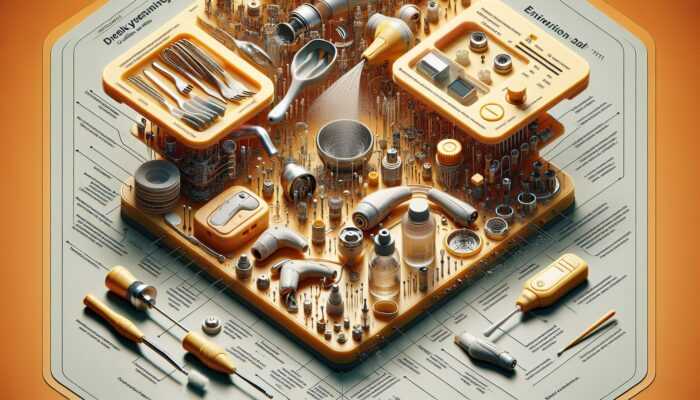
Weekly hearing aid cleaning process with disassembly, tools, drying, reassembly, inspection, and lubrication for enhanced performance.

While daily maintenance is vital, implementing a thorough weekly cleaning routine elevates the best practices for hearing aid hygiene to a new standard. This deep cleaning process involves disassembling components, utilizing specialized tools, drying and reassembling parts, inspecting for damage, and applying lubrication. Each of these steps contributes significantly to enhancing both functionality and the longevity of the hearing aids.

Careful Disassembly of Hearing Aid Components

Thoughtfully disassembling hearing aids is an essential aspect of effective weekly deep cleaning. This procedure allows users to access all components, facilitating a comprehensive cleaning that goes beyond superficial maintenance. Although it may seem intimidating, gaining an understanding of the specific parts of a hearing aid and diligently following the manufacturer’s instructions can make this task both manageable and safe.

During the disassembly process, users should take extra care to remember how the various pieces fit together. Many find it helpful to capture pictures as they disassemble, which can greatly assist in the reassembly process. This meticulous attention to detail can prevent errors during reassembly, ensuring the integrity and functionality of the device are maintained.

Once disassembled, users can utilize a soft brush along with specialized cleaning solutions specifically formulated for hearing aids to eliminate any accumulated wax or debris. Addressing these concerns promptly can have a significant positive impact on sound quality and overall device performance.

Utilizing Specialized Tools for Effective Cleaning

Employing specialized cleaning tools is vital for effectively maintaining the hygiene of hearing aids. These tools are meticulously designed to reach challenging areas where wax and debris may accumulate, such as tubing, receivers, and microphones. Utilizing generic cleaning tools could lead to scratches or damage, making the investment in specialized kits a smart decision for users.

Examples of these specialized tools include wax removal tools and brushes that can navigate narrow openings without causing harm. Users should become familiar with these tools and their functions to maximize the effectiveness of their cleaning routines. Many hearing aid manufacturers provide cleaning kits that encompass these essential tools, ensuring users have everything they need for optimal maintenance.

Incorporating specialized cleaning tools into a weekly routine not only boosts hygiene but also enhances the overall functionality of hearing aids, resulting in improved sound quality and performance.

Drying and Reassembling Hearing Aids: Key Steps for Longevity
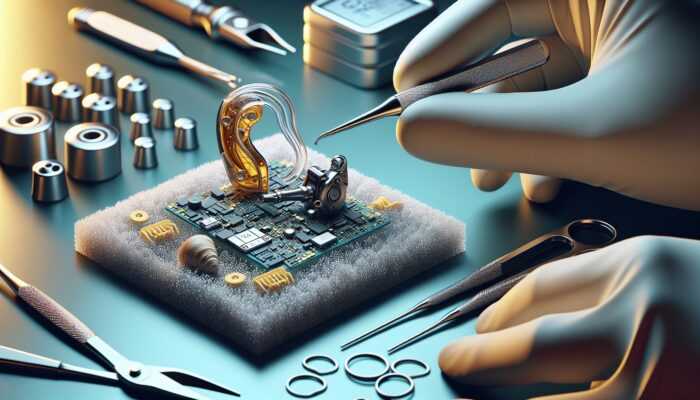
Hearing aid components drying on desiccant, user carefully reassembling device in well-lit workspace.

Following a thorough cleaning, it’s imperative to dry all components before reassembling. Moisture accumulation can lead to significant damage over time, particularly in electronic devices like hearing aids. Users may want to consider utilizing a hearing aid dryer or desiccant to absorb any residual moisture before reassembling the device.

The drying process is equally crucial when it comes to the longevity of the components. Once all parts are dried, reassembly should be conducted carefully, adhering to the reverse order of disassembly. Ensuring that each component is correctly positioned is vital to avoid potential damage and to maintain the hearing aids’ functionality.

Following this drying and reassembly procedure is a critical aspect of the best practices for hearing aid hygiene, empowering users to enjoy a consistently superior auditory experience.

Inspecting for Damage: A Proactive Approach

Regular inspections during deep cleaning sessions are essential for identifying signs of wear or damage before they escalate into significant issues. Users should look for any visible signs of distress, such as cracks, frayed wires, or loose components. Detecting these problems early allows for timely repairs, which are often relatively straightforward and cost-effective.

Additionally, users should remain attuned to any changes in sound quality that might indicate an underlying problem. Unusual sounds, distortion, or sudden variations in volume can all signal the need for further inspection or professional assistance.

Incorporating routine checks for damage into a weekly cleaning regimen enhances the overall health of hearing aids, ensuring they remain functional and effective for users.

Applying Lubrication: Enhancing Performance and Longevity

During the weekly deep cleaning process, applying the appropriate lubrication to moving parts can help reduce friction, ensuring smoother operation. Over time, components can become stiff or sticky due to the buildup of wax and oils. Utilizing lubricating products specifically designed for hearing aids can alleviate this issue, promoting both longevity and function.

Users should adhere to the manufacturer’s recommendations regarding suitable lubricants for their specific devices. This specialized lubrication not only enhances performance but also reduces wear and tear, ultimately contributing to an improved auditory experience.

Integrating lubrication into the weekly routine underscores the importance of proactive care in maintaining hearing aids and highlights a crucial aspect of the best practices for hearing aid hygiene that is often overlooked.

Strategies for Preventing Earwax Buildup and Enhancing Hearing Aid Functionality

One of the most prevalent challenges associated with hearing aids is earwax buildup, which can significantly hinder their performance. Implementing preventative measures is vital for maintaining both hygiene and functionality. This section delves into the importance of regular ear checks, utilizing earwax guards, and considering professional cleaning services, each playing a crucial role in effectively managing earwax.

Establishing Routine Ear Checks for Optimal Ear Health

Routine ear checks should be a fundamental part of the lives of hearing aid users. These checks help identify and manage earwax buildup, preventing obstructions that might impede the functionality of hearing aids. Regular appointments with an audiologist can aid in monitoring ear health and provide guidance on managing earwax, which is essential for achieving optimal hearing.

Individuals can also conduct self-checks at home by inspecting their ears in a well-lit environment. If earwax becomes visible or if discomfort arises, seeking professional assistance is advisable. Regular monitoring can help prevent the accumulation of excessive wax, which can lead to more complex complications.

Moreover, many users often overlook the influence of diet and hydration on earwax production. Maintaining a balanced diet and staying well-hydrated can effectively help manage earwax levels, fostering an overall healthier auditory environment.

Utilizing Earwax Guards: A Proactive Preventative Measure

Incorporating earwax guards into hearing aids is an effective way to safeguard devices against wax accumulation. These guards serve as a protective barrier, preventing earwax from entering microphones and receivers, which can lead to sound distortion or total blockage.

Users should routinely check and replace earwax guards according to the manufacturer’s recommendations, as they can become saturated over time. This simple yet effective preventative step can help users avoid more significant problems down the line, including costly repairs or replacements.

Educating oneself on the proper use and replacement of earwax guards can significantly enhance the longevity of hearing aids. By incorporating this practice into regular maintenance routines, users can greatly improve their overall experience with their hearing aids.

Seeking Professional Cleaning Services for Comprehensive Care

Engaging professional cleaning services can provide invaluable assistance in effectively managing stubborn earwax and maintaining the health of hearing aids. Professionals have access to specialized tools that can remove built-up earwax without damaging the delicate components of the devices.

Users should contemplate scheduling professional cleanings periodically, especially if they notice a decline in sound quality or if routine cleaning becomes insufficient. Professionals can also offer valuable insights regarding ear hygiene, equipping users with the knowledge to prevent future buildup.

Regular professional cleaning not only guarantees that hearing aids remain hygienic but also contributes to their overall functionality, making this practice a vital component of the best practices for hearing aid hygiene.

Protecting Hearing Aids from Environmental Hazards

Environmental factors can greatly affect hearing aids, leading to potential damage and reduced functionality. Understanding how to guard devices against moisture, dust, and extreme temperatures is essential for maintaining their performance. This section discusses effective protective measures and underscores their significance within the framework of the best practices for hearing aid hygiene.

Strategies for Avoiding Moisture Exposure

Moisture exposure is one of the leading causes of hearing aid malfunction. Humidity, perspiration, and even water from cleansing routines can cause damage that is often irreversible. To mitigate this risk, users should avoid wearing hearing aids during activities that involve excessive moisture, such as swimming.

In addition to avoiding moisture exposure, utilizing protective cases and drying kits can provide an extra layer of security for devices. Many manufacturers offer moisture-resistant hearing aids, which can be particularly advantageous for users living in humid climates.

Establishing the habit of removing hearing aids before showering or engaging in outdoor activities can significantly reduce the risk of moisture-related damage. This proactive approach to moisture exposure is a crucial part of maintaining hearing aid hygiene.

Implementing Dust Shields for Optimal Device Care

Dust can accumulate rapidly in hearing aids, obstructing sound quality and impairing functionality. Utilizing protective cases and covers can substantially minimize exposure to dust when hearing aids are not in use. This straightforward practice ensures that devices remain clean and readily available for use at all times.

It is also advisable to keep hearing aids away from dusty environments as much as feasible. For users working in construction or other dusty settings, investing in additional protective gear may be necessary to safeguard their devices.

Incorporating these protective measures into daily routines effectively shields hearing aids from dust and debris, preserving sound quality and performance.

Temperature Considerations for Hearing Aid Longevity

Extreme temperatures can harm hearing aids, adversely affecting their functionality and lifespan. It is crucial to store devices at moderate temperatures, avoiding areas where they might be exposed to excessive cold or heat, such as car dashboards or near heating sources.

Users should be cognizant of the impact that sudden temperature changes can have on their devices, especially when transitioning between different environments. Allowing hearing aids to acclimate to new temperatures before use can help prevent issues related to functionality.

Educating oneself about temperature considerations associated with hearing aids is an integral part of the best practices for hearing aid hygiene, and it can significantly enhance device longevity.

Best Practices for Proper Storage and Handling of Hearing Aids

Proper storage and handling of hearing aids are vital for preserving their integrity and performance. Implementing strategies such as utilizing protective cases, practicing gentle handling, and avoiding chemical exposure all play an essential role in maintaining the quality of auditory devices.

Using Protective Cases for Device Safety

Storing hearing aids in protective cases when not in use is one of the simplest yet most effective ways to prevent damage and dirt accumulation. Protective cases shield devices from dust, moisture, and accidental drops, all of which can compromise functionality.

Selecting high-quality, durable cases specifically designed for hearing aids is crucial. Some cases may also feature drying capabilities, further enhancing their protective attributes. Users should cultivate the habit of storing their hearing aids in these cases to ensure longevity and optimal functionality.

By prioritizing proper storage, users can significantly reduce the risks of damage and maintain the overall hygiene of their hearing aids.

Careful Handling to Avoid Damage

Gentle handling is a critical component of maintaining hearing aids. Users should avoid tossing or dropping devices, as this can lead to physical damage that may not be immediately noticeable. Establishing a routine for taking out and putting away hearing aids can reinforce careful handling habits.

When inserting and removing hearing aids, users should do so over soft surfaces, such as beds or couches, to minimize damage if the devices slip from their fingers. Regular reminders to treat these devices with care can help foster a mindset that prioritizes the longevity and performance of hearing aids.

This careful handling directly contributes to a positive auditory experience, reinforcing the importance of attentive care in the best practices for hearing aid hygiene.

Avoiding Chemical Exposure to Extend Device Life

Keeping hearing aids away from chemicals and cosmetics is crucial for preserving their appearance and functionality. Many common household products, including hairsprays, perfumes, and cleaning agents, can adversely affect the delicate components of hearing aids.

Users should consciously apply cosmetics before inserting hearing aids and avoid using products that could come into contact with the devices. Storing hearing aids in areas that are free from chemical exposure can further safeguard their longevity and performance.

Educating oneself on the effects of chemical exposure is vital for hearing aid users, enabling them to make informed decisions about their usage and care, thereby enhancing their overall experience.

The Importance of Regular Professional Check-ups for Hearing Aids

Regular professional check-ups are foundational for maintaining hearing aids in optimal condition. Scheduling maintenance visits, making necessary adjustments, staying updated with technological advances, and ensuring professional cleanings all play a significant role in prolonging the longevity and functionality of hearing aids.

Establishing a Routine for Maintenance Visits

Creating a routine for professional check-ups guarantees that hearing aids remain in peak condition. During these visits, audiologists can conduct comprehensive examinations, ensuring that devices are functioning optimally and addressing any concerns users may have.

Regular maintenance visits facilitate timely adjustments, keeping hearing aids aligned with the user’s evolving auditory needs. Users should aim for at least an annual appointment, or more frequently if they experience changes in hearing or device performance.

This proactive approach to professional maintenance significantly contributes to the longevity of hearing aids and underscores the necessity of regular check-ups within the best practices for hearing aid hygiene.

Making Necessary Adjustments and Repairs

Professional adjustments and repairs are often essential to ensure that hearing aids continue to fit well and function effectively. Over time, users may experience changes in comfort or audio quality, making these adjustments crucial for optimal performance.

Audiologists are trained to make precise adjustments that may not be feasible through at-home maintenance. Recognizing when to seek professional assistance is critical—users should monitor their devices and seek help if they notice any changes in sound quality or comfort.

Incorporating this step into a regular maintenance routine reinforces the significance of professional care as a component of comprehensive hearing aid hygiene.

Keeping Up-to-Date with Technology

Staying informed about the latest advancements in hearing aid technology can immensely enhance user experience and device performance. With ongoing technological developments, newer models may provide improved sound processing, enhanced connectivity, and additional features that can significantly benefit users.

Regular consultations with audiologists can help users stay abreast of the latest innovations in hearing aid technology, making it easier to discern when upgrades may be warranted. This knowledge empowers users to make informed choices that elevate their auditory experiences.

By keeping technology current, users not only enjoy enhanced performance but also reinforce the importance of proactive care within the best practices for hearing aid hygiene.

The Role of Professional Cleanings in Device Maintenance

Regular professional cleanings are essential for preventing buildup and maintaining the hygiene and functionality of hearing aids. These cleanings present an opportunity for thorough assessments by trained professionals who can identify issues that may go unnoticed during routine care.

Audiologists possess specialized cleaning tools and techniques that ensure devices are kept in optimal condition. Users should consider scheduling these cleanings at least once every six months, or more frequently if they observe changes in sound quality.

Integrating professional cleanings into a maintenance plan emphasizes the crucial role that expert care plays in preserving hearing aids and highlights a key aspect of the best practices for hearing aid hygiene.

Empowering Users and Caregivers Through Education

Education serves as a powerful tool in the quest for effective hearing aid maintenance. Training on proper usage, recognizing signs of wear, and promoting regular maintenance routines among users and caregivers significantly enhances the overall experience and efficacy of hearing aids.

Training Users and Caregivers on Proper Hearing Aid Usage

Comprehensive training ensures that users and caregivers understand how to use and maintain hearing aids effectively. Knowing how to insert, remove, clean, and troubleshoot devices empowers users and caregivers, ultimately enhancing the user experience.

Training can be provided by audiologists during initial fittings or follow-up appointments. Users should feel encouraged to ask questions and seek clarification on any aspect of device usage. The more informed users are, the less likely they will encounter issues that could disrupt their auditory experience.

Regular refresher courses or informational sessions can also benefit users and caregivers, providing updated information on best practices and new technologies. Knowledge is indeed power, especially when it comes to preserving the integrity of hearing aids.

Recognizing Signs of Wear and Tear

Being aware of the signs of wear can help users and caregivers take timely action to maintain hearing aids. Changes in sound quality, physical appearance, or comfort can all indicate that a device requires attention.

Users should remain vigilant in monitoring their hearing aids and should not hesitate to consult professionals if they notice any unusual changes. Early identification of wear can prevent more severe issues and keep devices functioning at their best.

Awareness of wear signs reinforces the importance of vigilance and proactive care within the best practices for hearing aid hygiene, ensuring users can effectively maintain their devices.

Encouraging Consistent Maintenance Habits

Promoting regular maintenance routines among users and caregivers is essential for the longevity of hearing aids. Creating checklists, setting reminders, or incorporating cleaning habits into daily routines can help users stay diligent in their device care.

Sharing experiences and tips among users can also cultivate a supportive community that emphasizes the significance of regular maintenance. This shared knowledge can motivate individuals to prioritize their hearing aid hygiene, ultimately leading to improved outcomes.

By fostering a culture of proactive care and education, users can enhance their auditory experiences and reinforce the importance of the best practices for hearing aid hygiene.

Frequently Asked Questions About Hearing Aid Maintenance

What is the recommended frequency for cleaning my hearing aids?

Daily cleaning is highly recommended, complemented by a more thorough deep cleaning performed weekly. Regular checks and professional cleanings can further enhance hygiene and device performance.

What essential tools do I need for cleaning my hearing aids?

Essential cleaning tools include a soft cloth, a gentle brush, and specialized cleaning kits designed specifically for hearing aids to effectively reach challenging areas.

Is moisture capable of damaging my hearing aids?

Absolutely, moisture can inflict significant damage, including corrosion. It is crucial to keep hearing aids dry and to store them in moisture-resistant cases when not in use.

How can I effectively prevent earwax buildup in my hearing aids?

Regular ear checks, utilizing earwax guards, and seeking professional cleanings are all effective strategies for managing earwax and maintaining device functionality.

When is it appropriate to seek professional help for my hearing aids?

If you observe any changes in sound quality, comfort, or if routine cleaning becomes ineffective, it is advisable to consult a professional for assessment and repairs.

What are the indicators that my hearing aids may need repairs?

Indicators include distortion in sound quality, discomfort during usage, and any visible damage. Addressing these concerns early can prevent more significant problems.

Can I use standard cleaning products on my hearing aids?

No, it is advisable to avoid standard cleaning products, as they can harm delicate components. Use only manufacturer-approved cleaning solutions and tools for optimal care.

What is the best way to store my hearing aids properly?

Store hearing aids in protective cases away from heat and moisture. Ensure they are completely dry and clean before storage to prevent damage.

How often should I schedule visits with my audiologist?

Regular visits are recommended at least once a year, or more frequently if you experience changes in hearing or device performance.

What should I do if my hearing aid feels uncomfortable?

If you experience discomfort, consult your audiologist for an adjustment. Proper fit is crucial for both comfort and sound quality.

Explore our journey on X!

The post Hearing Aid Hygiene: Essential Tips for Best Practices appeared first on The Microsuction Ear Wax Removal Network.
Replace Hearing Aid Batteries: Easy Step-by-Step Guide

Essential Steps for Effective Battery Replacement in Hearing Aids

Gathering the Right Tools for a Smooth Battery Change

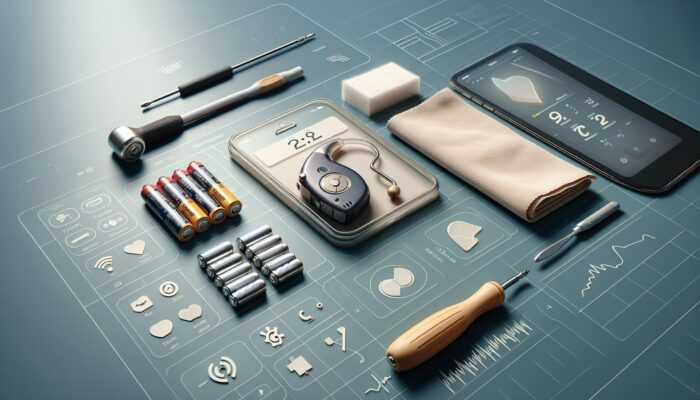
A small screwdriver, new hearing aid batteries, and a clean cloth on a table, with a hearing aid.

Replacing hearing aid batteries might initially appear challenging, yet having the appropriate tools simplifies the entire process. Begin by obtaining a specialized small screwdriver, crafted for delicate electronic devices, which is crucial for accessing the battery compartment of your hearing aids. Additionally, ensure you have a supply of new batteries that are specifically compatible with your hearing aid model to avoid any mismatches. It’s also wise to keep a clean cloth nearby to wipe off surfaces or eliminate dust that could interfere with the battery-changing process. With these items organized beforehand, you not only make the task easier but also significantly reduce the risk of mistakes that could happen if you have to search for tools during the replacement.

Taking these preliminary measures lays the groundwork for a successful battery replacement experience. Instead of hurrying through the task, being organized and methodical fosters a more relaxed atmosphere. Every moment invested in preparation pays dividends when it comes to effectively navigating the complexities of how to replace hearing aid batteries without stress or confusion.

Ensuring Battery Compatibility to Avoid Issues

Before embarking on the battery replacement procedure, it’s imperative to verify that the new batteries are compatible with your hearing aids. Typically, hearing aids require batteries of specific sizes, which are generally marked with standardized codes like 312, 10, or 675. Familiarize yourself with these codes and consult your hearing aid’s user manual to pinpoint the exact battery type that is necessary for your device.

Purchasing an incorrect size can lead to various complications, including malfunctioning devices or even damage to the hearing aids themselves. Undoubtedly, many users globally have faced unnecessary frustration due to mismatched battery types. To prevent this common mistake, always double-check the compatibility of your batteries—this small precaution can save you considerable time and headaches in the future. Furthermore, consider acquiring batteries from reputable suppliers to ensure that you receive high-quality products that meet the requirements of your hearing aids.

Prioritizing Safety During Battery Replacement

Safety is paramount when handling delicate electronic devices such as hearing aids. Before initiating the battery replacement, turn off your hearing aid to avoid any accidental activation while you are working. This simple yet effective measure not only safeguards the device but also shields you from potential electrical shocks, especially if your hearing aid incorporates advanced features.

Choose a well-lit area for this task; clear visibility is crucial in preventing drops or losing small components like screws and batteries. Additionally, refrain from working in cluttered spaces that may pose hazards. Establishing an organized workspace enhances your concentration and minimizes the chances of interruptions. Remember, adhering to these safety precautions is a vital aspect of mastering how to replace hearing aid batteries both effectively and responsibly.

Accessing the Hearing Aid Battery Compartment

Identifying the Location of the Battery Compartment

Gaining access to your hearing aid’s battery compartment is a critical step in the replacement process. Generally, the battery door is situated on the bottom or side of the device. However, designs can differ significantly among various manufacturers and models, making it essential to consult your user manual for specific guidance tailored to your hearing aids. Many contemporary hearing aids boast a slide or flip-open mechanism that simplifies access, whereas others may demand a bit more dexterity.

Understanding the functionality of your device not only accelerates the replacement process but also lowers the risk of damaging the hearing aid. The battery compartment may be tightly sealed to prevent moisture ingress, so don’t hesitate to apply gentle pressure to open it. By mastering the technique of locating and opening the battery compartment, you will feel more empowered and confident when it comes to maintaining your hearing aids.

Utilizing the Appropriate Tool for Battery Access

After identifying the battery compartment, it’s essential to use the right tool to facilitate the process. A small screwdriver, often provided with your hearing aid, is critical for this task. Carefully insert the screwdriver into the dedicated slot on the battery door to gently pry it open. Exercise patience and avoid using excessive force, as this could damage the delicate internal mechanisms of the device.

In addition to the screwdriver, some hearing aids come equipped with specialized tools designed explicitly for battery replacement, such as prying tools or integrated switches. Utilizing these designated tools can streamline the procedure. When you approach this step with care and the right equipment, you significantly enhance your chances of executing a successful battery replacement without compromising the integrity of your valuable hearing aid.

Handling Your Hearing Aid with Care

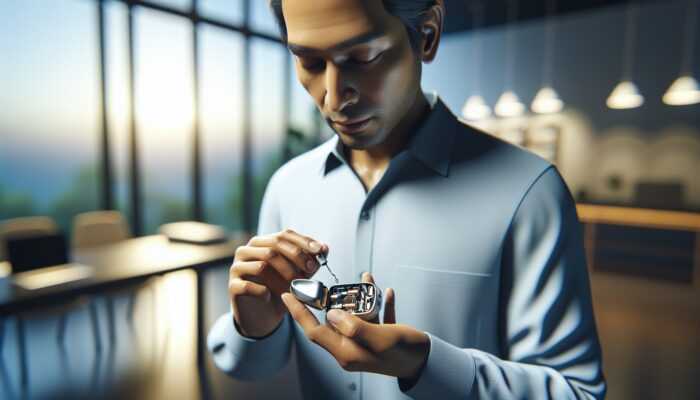
A person carefully opening a hearing aid's battery compartment in a well-lit, calm setting.

As you move forward to open the battery compartment, it’s crucial to handle the hearing aid with utmost care. Many users around the world have encountered problems due to mishandling, such as inadvertently touching sensitive internal components, which can lead to contamination or malfunction. It’s advisable to grasp the device by its outer casing and avoid direct contact with the internal circuitry to maintain its functionality.

Keeping a steady hand not only protects your hearing aid but also ensures that you operate in a calm and focused manner. If you encounter resistance while attempting to open the battery compartment, reassess your technique instead of forcing it. Taking a moment to breathe and refocus can often avert potential mishaps. Being mindful and gentle while handling your hearing aid creates an environment conducive to successful battery replacement.

Removing the Old Battery Safely

Carefully Extracting the Old Battery

To continue with the battery replacement process, it is essential to safely extract the old battery from the compartment. Use the small screwdriver or tool to gently lift the battery out without applying excessive pressure. Most hearing aids are designed for easy battery removal, but it’s crucial to handle the task delicately to avoid damaging the compartment.

A helpful technique is to slightly angle the battery as you lift it out, which can minimize unnecessary resistance. Should you notice any corrosion or residue around the battery terminals, take note; this may necessitate additional cleaning before inserting a new battery. Extracting the battery with care ensures that you do not inadvertently damage any components, thereby keeping your device in optimal working condition.

Responsible Disposal of the Old Battery

After successfully removing the old battery, the next critical step is to dispose of it properly. Many countries and regions have specific regulations regarding battery disposal, particularly for zinc-air batteries commonly utilized in hearing aids. Always check local guidelines to determine the appropriate disposal methods available in your area.

Recycling is typically the best option, as it mitigates environmental impact and allows for the recovery of valuable materials. Some hearing aid manufacturers and retailers also offer battery recycling programs, providing convenient drop-off points for old batteries. Engaging in responsible disposal practices not only contributes to environmental sustainability but also raises awareness about the importance of proper waste management within the hearing aid community.

Cleaning the Battery Compartment for Optimal Performance

Once the old battery has been removed, it is vital to clean the battery compartment to ensure the optimal performance of your hearing aid. Dust, moisture, or debris can compromise the battery’s connection and the overall functionality of the device. Utilize a clean, dry cloth to gently wipe down the compartment, paying particular attention to the terminals where the battery makes contact.

This step is often neglected, yet it significantly impacts the longevity and efficiency of your hearing aids. If you encounter stubborn residue or corrosion, consider using a slightly damp cloth, but ensure that the compartment is completely dry before inserting the new battery. Regular cleaning of the battery compartment enhances device performance and helps prevent potential issues down the line, providing peace of mind as you navigate the world with your hearing aids.

Inspecting the Battery Compartment for Damage

Before inserting the new battery, take a moment to thoroughly inspect the battery compartment for any signs of damage or corrosion. This inspection is crucial, as it can influence the performance of your hearing aid. Look for any discoloration, rust, or residue that may interfere with the battery’s contact points.

If you discover any corrosion, it is essential to clean it thoroughly to prevent it from affecting the new battery. Consider using a cotton swab dipped in rubbing alcohol to gently scrub away any buildup. Always allow the compartment to dry completely before proceeding with battery insertion. By diligently inspecting and maintaining the battery compartment, you protect the performance of your hearing aids while ensuring a long-lasting relationship with your device.

Inserting the New Battery Correctly

Understanding Correct Battery Orientation

When it’s time to insert the new battery, orientation becomes critically important. Most hearing aids clearly indicate the correct battery orientation within the compartment, typically marked with a plus (+) sign for the positive terminal. Ensuring that the battery is positioned correctly will prevent damage and guarantee that the device functions as intended.

Misplacing the battery can lead to malfunction or even damage to your hearing aid. To avoid this, take a moment to double-check the orientation before proceeding. Furthermore, consider environmental factors; for individuals living in various climates, such as humid or extreme temperature regions, proper orientation can also enhance battery performance. Taking the time to correctly position the battery is a small yet vital step in mastering how to replace hearing aid batteries effectively.

Ensuring the Battery is Secured Properly

After you have positioned the battery correctly within the compartment, the next step is to ensure it is securely seated. Gently press down on the battery until you hear or feel it click into place. A loose battery can lead to poor performance or intermittent sound, which can be frustrating for users.

Make it a habit to double-check that the battery is snug and properly aligned after insertion, particularly if you find yourself in an environment with a lot of movement or vibrations. For those who frequently engage in outdoor activities, securing the battery becomes even more critical to ensure that your hearing aid remains functional and reliable during use.

Closing the Battery Door Correctly

Once you have successfully inserted and secured the new battery, it’s time to close the battery door. Carefully align the door with the compartment and gently press it down until you hear a satisfying click. This sound indicates that the door has sealed properly, safeguarding the battery and internal components from dust and moisture.

Be mindful that some hearing aids come with a locking mechanism that must be engaged to keep the door closed. If you encounter any resistance while closing the door, check for misalignment or obstructions first. Taking the time to close the battery door correctly not only enhances the longevity of your device but also instills confidence that the battery replacement process was executed effectively.

Testing the New Battery Installation

Turning on the hearing aid after replacing the battery serves as the ultimate confirmation of your successful installation. Flip the power switch to the “on” position and listen for sounds to ensure the device is functioning correctly. If you hear sounds, congratulations—you have successfully replaced your hearing aid battery!

If you don’t hear any sound, double-check the battery orientation and ensure it is seated correctly in the compartment. Additionally, inspect the battery door to make sure it is fully closed. It’s essential to remember that troubleshooting is a vital part of learning how to replace hearing aid batteries effectively, so remain patient as you work through any potential issues.

Evaluating the Performance of Your Hearing Aid

Activating Your Device After Battery Replacement

After successfully closing the battery compartment, it’s time to turn on your hearing aid. This step is crucial, as it allows you to verify that the battery replacement was executed smoothly. Depending on your device, you might need to press a small button or switch to power it on.

Once activated, pay close attention to any sounds it produces. A successful power-up indicates that the new battery is functional, but listening carefully to the sounds will provide additional insights. Many users across different regions have found that testing the device in various environments can help assess performance levels. By actively listening, you ensure that your hearing aid is prepared to assist you in navigating daily sounds and conversations.

Assessing the Quality of Sound

Sound quality is one of the most vital aspects of hearing aid performance. After turning on your hearing aid, take a moment to evaluate the clarity and volume of the sounds produced. Familiarize yourself with a range of sounds, from soft conversations to ambient noise, to ensure your device is responding appropriately to different acoustic environments.

If you detect any distortion or imbalance in sound quality, this may indicate an issue with the battery installation or even the battery itself. In such cases, do not hesitate to revisit the previous steps. Regularly monitoring sound quality helps individuals maintain effective communication and enhances overall satisfaction with their hearing aids.

Adjusting Settings to Optimize Performance

Once you’ve confirmed sound quality, you may find it necessary to adjust the settings on your hearing aid. Many modern devices come equipped with adjustable settings that allow users to customize the sound output to their preferences. This level of customization is particularly valuable for individuals in diverse environments, where sound profiles can vary significantly.

Consult your user manual for detailed instructions on adjusting settings, as different models may utilize various methods for customization. Engaging with your device’s settings empowers you to optimize your hearing experience, improving your ability to engage in conversations and enjoy daily activities. Mastering the adjustment process is a key element of understanding how to replace hearing aid batteries and maintain overall device performance.

Strategies for Prolonging Battery Life

Storing Hearing Aids Properly

To extend the lifespan of your batteries, proper storage of your hearing aids is crucial. When not in use, store your hearing aids in a dry, cool location to prevent battery drain and potential damage. Humidity and extreme temperatures can negatively impact battery performance, so consider utilizing a protective case specifically designed for hearing aids.

In regions with fluctuating climates, being mindful of environmental factors is essential. For instance, individuals residing in tropical areas should be especially vigilant about moisture, which can lead to battery corrosion or device malfunction. Regularly placing your hearing aids in a safe storage location enhances the durability of both the device and its batteries.

Conducting Regular Battery Life Checks

Monitoring the life of your batteries is a proactive measure that can help prevent unexpected power loss during usage. Many hearing aids come equipped with battery life indicators or alerts that notify you when battery levels are low. Regularly checking the status of your batteries enables you to stay ahead, ensuring you always have fresh batteries available when needed.

For individuals who use their hearing aids daily, keeping track of battery life becomes even more critical. Scheduling routine checks—such as once a week—can help you maintain awareness and avoid situations where you might find yourself without a functioning device. This habit significantly enhances the overall hearing experience and can bolster your confidence during social interactions.

Avoiding Extreme Temperatures for Battery Health

Extreme temperatures, whether hot or cold, can severely affect the performance and lifespan of hearing aid batteries. Avoid leaving your hearing aids in environments where they could be exposed to high heat, such as in a car during warm weather, or in excessively cold settings, like outdoors in winter.

Most batteries operate optimally within a temperature range of approximately 10°C (50°F) to 30°C (86°F). Educating yourself about these ranges is vital, especially in areas where the climate can fluctuate significantly. Taking care to protect your hearing aids from temperature extremes will help prolong battery life and prevent potential damage to the device itself.

Turning Off Hearing Aids When Not in Use

One of the simplest yet most effective methods to extend the lifespan of hearing aid batteries is to turn them off when they are not in use. Many users overlook this step, leading to unnecessary battery drain. Develop a habit of switching off your hearing aids during breaks, while sleeping, or when you know you won’t need them for an extended period.

Incorporating this straightforward practice into your routine can significantly enhance battery longevity, especially for individuals who may not wear their hearing aids constantly throughout the day. Consider setting reminders to turn off your devices, particularly if you maintain a busy lifestyle. By prioritizing this step, you can ensure that your hearing aids are always ready for action whenever you need them.

Utilizing Fresh, High-Quality Batteries

One of the most straightforward tips for maintaining optimal hearing aid performance is to consistently use fresh batteries. Over time, batteries lose their effectiveness, leading to diminished performance and potential sound issues. Always opt for high-quality batteries from reputable brands to assure reliability and performance.

Many users find it beneficial to keep a supply of fresh batteries on hand to avoid running low unexpectedly. Consider creating a designated space in your storage area specifically for new batteries, making it easier to monitor your inventory. This proactive approach ensures that when it’s time to replace your batteries, you are always prepared with a reliable supply, thereby enhancing your overall hearing experience.

Troubleshooting Common Hearing Aid Issues

Resolving Poor Sound Quality

If you encounter poor sound quality from your hearing aids, it’s essential to troubleshoot the issue promptly. Start by checking the battery connection; if it is loose or improperly seated, this could lead to distorted sound. Examine the battery itself; expired or low batteries can also result in diminished audio quality.

Regular maintenance and cleaning of the hearing aid can significantly impact sound clarity. Dust and debris can accumulate in the microphones or speakers, adversely affecting performance. If cleaning does not resolve the issue, consider visiting an audiologist for a professional assessment. Ensuring optimal sound quality allows you to fully engage with your surroundings, making troubleshooting an essential skill for any hearing aid user.

Addressing Rapid Battery Drainage

Rapid battery drainage is a common concern among hearing aid users and is often linked to a few key factors. First, ensure you turn off your hearing aids when they are not in use, as leaving them powered on can lead to excessive battery consumption.

Another potential cause could be the quality of the batteries themselves; low-quality or expired batteries may drain more quickly than their higher-quality counterparts. If you notice that your batteries are draining rapidly despite implementing these precautions, it may be beneficial to consult with your audiologist. They can provide insights into the compatibility of your batteries and the overall health of your hearing aids, ensuring you achieve the best performance possible.

Fixing Feedback Whistling Issues

If you experience feedback whistling while using your hearing aids, it can be both disruptive and frustrating. Feedback is often caused by poor fit or inadequate sealing of the ear mold. Make sure that your hearing aid fits snugly in your ear; if necessary, consult with an audiologist for adjustments.

Pay attention to your insertion technique, ensuring that the hearing aid is properly seated in the ear canal. Additionally, watch out for any blockages or debris that might hinder sound flow. Regularly checking the fit and cleanliness of your hearing aids can significantly reduce instances of feedback, allowing for a more enjoyable hearing experience.

Troubleshooting Connectivity Issues

If your hearing aid is equipped with Bluetooth technology and fails to connect to devices, it can be a source of frustration. Begin troubleshooting by restarting both your hearing aid and the device you’re attempting to connect to. Ensure that both devices are within the recommended range, typically around 10 meters, and that Bluetooth is enabled on both.

If problems persist, consult your user manual for connection instructions specific to your model. Sometimes, a simple reset or software update can resolve lingering connectivity issues. Mastering the connectivity features of your hearing aids enhances their versatility and allows you to enjoy a more integrated and functional experience.

Frequently Asked Questions (FAQs)

What types of batteries do hearing aids typically use?

Hearing aids commonly utilize zinc-air batteries, which come in various sizes such as 10, 312, and 675, depending on the specific model. Always refer to your user manual for the precise battery type required for your device.

How often should I replace the batteries in my hearing aid?

The frequency of battery replacement varies based on usage and battery type, but generally, hearing aid batteries last between 5 to 14 days. Keeping a regular check on battery life can help you anticipate when replacements are necessary.

Can I use rechargeable batteries in my hearing aids?

Some hearing aids are compatible with rechargeable batteries, but it’s essential to verify this with your specific model. Rechargeable options can provide greater convenience and are often more environmentally friendly.

What should I do if my hearing aid is not functioning after changing the battery?

If your hearing aid fails to work after changing the battery, ensure that the battery is oriented correctly and that it is firmly seated in the compartment. If the problem persists, inspect for any debris or consult your audiologist for further assistance.

Are there any risks associated with changing hearing aid batteries?

Changing hearing aid batteries is generally safe when performed correctly. However, mishandling can lead to damage. Always follow the provided instructions and use appropriate tools to minimize any risks.

How can I extend the life of my hearing aid batteries?

To prolong battery life, store your hearing aids in a cool, dry place, turn them off when they are not in use, and regularly check the battery status. Avoid leaving them in extreme temperatures to maintain their integrity.

Why is my hearing aid producing a whistling sound?

Whistling sounds may indicate feedback due to improper fitting or blockages. Ensure that your hearing aid fits snugly in your ear canal and clean any debris that could hinder sound flow.

Can I recycle my hearing aid batteries?

Yes, many regions offer recycling programs specifically for batteries. Check with your local waste management services or hearing aid retailers to explore battery recycling options in your area.

How do I know when it’s time to change my hearing aid battery?

Most hearing aids are equipped with indicators for low battery life. Keep an eye on performance changes, such as reduced sound quality, which can signal that it’s time for a battery replacement.

What should I do if I can’t open the battery compartment?

If you encounter difficulty opening the battery compartment, gently inspect for any obstructions or misalignments. If resistance persists, consult your user manual for proper opening techniques and tips.

Join us on X and discover more about our journey!

The post Replace Hearing Aid Batteries: Easy Step-by-Step Guide appeared first on The Microsuction Ear Wax Removal Network.

Hearing Aids: The Essential Need for Professional Fitting

Last Updated on 02/05/2025 by Admin

Tailoring Hearing Solutions to Individual Needs

Customizing Sound Settings for Optimal Hearing

Each person’s experience with hearing loss is distinct, making the significance of professional fitting for hearing aids essential. Professional audiologists perform comprehensive evaluations to pinpoint specific hearing loss patterns that are unique to each individual. This targeted strategy leads to sound settings that are personalized, enhancing both comfort and clarity. With expert guidance, users can anticipate a hearing aid experience that is fine-tuned to match their unique auditory requirements, ensuring they can enjoy sounds with greater ease and enjoyment.

For example, an audiologist might tailor the frequency response of hearing aids according to the user’s audiogram, ensuring that critical sounds like speech are amplified while minimizing distracting background noise. These settings are dynamic; they can be adjusted over time as the user’s hearing needs change, ensuring continued satisfaction and effectiveness. This level of customization greatly enhances daily interactions, making conversations, laughter, and whispers significantly clearer and more enjoyable for users.

In addition, professional fitting opens the door for users to explore different sound profiles designed for specific environments, whether it’s a quiet room, a bustling café, or an outdoor park. By meticulously fine-tuning these settings, professionals empower users to navigate their social interactions with newfound confidence and ease.

Understanding Ear Anatomy for Optimal Device Performance

The complex shape and size of each individual’s ear play a crucial role in the effectiveness of hearing aids. This anatomical diversity highlights the necessity for professional fitting. A properly fitted hearing aid not only enhances sound transmission but also guarantees comfort and stability throughout the day. Audiologists are trained to assess ear structures, allowing them to make precise modifications that accommodate various ear shapes, ensuring devices sit securely and comfortably within the ear.

Furthermore, poorly fitted hearing aids can lead to numerous complications, including discomfort and ineffective sound amplification. Professionals utilize advanced imaging and molding techniques to craft customized ear molds that perfectly fit the user’s ear canal, preventing sound leakage and optimizing auditory experience. This meticulous attention to ear anatomy is particularly critical for individuals with unique ear shapes or those who may have undergone anatomical changes due to aging or health conditions.

Moreover, ensuring a proper fit reduces the risk of irritation and potential ear infections that could arise from improper device use, emphasizing the vital role that expert fitting plays in the long-term success of hearing aids. This proactive approach ensures that users can enjoy their devices fully without compromising their ear health.

Adapting Hearing Aids to Lifestyle and Environment

Given the diverse lifestyles individuals lead, it is imperative that their hearing aids reflect this diversity. Professionals play a pivotal role in adjusting hearing aids to meet users’ daily activities and environmental demands, significantly enhancing their functionality. For instance, someone working in a vibrant café will require different sound settings compared to someone who spends their day in a quiet office space. Through a personalized fitting process, audiologists can expertly calibrate hearing aids to adapt to various environments, ensuring users can communicate clearly no matter where they are.

To illustrate, if a user frequently attends social events, the audiologist may enhance the device’s ability to filter out background noise, thereby prioritizing speech frequencies crucial for conversation. Conversely, for users who spend considerable time outdoors, adjustments can be made to counteract wind noise, leading to a more enjoyable listening experience.

This adaptability not only boosts the practical use of hearing aids but also enhances overall user satisfaction. The right adjustments enable individuals to engage fully in their lives, whether they are partaking in family gatherings, enjoying concerts, or simply having a peaceful evening at home.

Incorporating User Preferences in Hearing Aid Design

Hearing aids are inherently not a one-size-fits-all solution. They must be adapted to suit each user’s unique preferences to ensure a fulfilling auditory experience. The importance of professional fitting manifests as audiologists collaborate closely with users to grasp their sound quality preferences, volume adjustments, and desired features within their devices. This collaborative method significantly enhances user satisfaction, allowing hearing aids to operate in alignment with personal tastes and lifestyle requirements.

For example, some users may favor a more natural sound experience, while others might lean towards enhanced treble or bass tones. A professional fitting allows users to experiment with these settings in real-time, ensuring the resulting sound profile meets their expectations and feels comfortable. This careful attention to user preferences can greatly influence how users perceive their hearing aids, impacting their willingness to wear them consistently.

Furthermore, professionals can integrate features like adaptive sound technology, which automatically adjusts to varying sound environments, catering to user preferences without requiring manual adjustments. This high level of personalization fosters a strong bond between the user and their hearing aids, leading to increased satisfaction and a commitment to wearing the devices regularly.

Continuous Support and Adjustments for Optimal Hearing

Hearing health is not static; as users experience shifts in their hearing abilities, their hearing aids must adapt correspondingly. This underscores the necessity of professional fitting, as ongoing adjustments and support are crucial for maintaining peak hearing aid performance. Regular follow-up appointments with an audiologist ensure that the hearing aids continue to meet the user’s evolving needs, allowing for timely modifications based on their feedback and any changes in their hearing condition.

As individuals age or face shifts in their auditory health due to medical conditions, having a professional available for necessary adjustments ensures that their devices remain effective. These modifications may include fine-tuning amplification levels, altering sound profiles, or updating software to enhance overall performance and user experience.

Moreover, this continuous support fosters trust and builds a lasting relationship between the user and their audiologist. Users feel empowered knowing they have professional backing to navigate their hearing journey, enhancing their ability to enjoy the sounds of laughter, music, and conversation without barriers.

Achieving Superior Hearing Aid Performance

Integrating Advanced Technology for Enhanced Auditory Experiences

Modern hearing aids come equipped with cutting-edge technology that can significantly enrich auditory experiences. However, utilizing these advancements effectively requires professional expertise, underscoring the importance of professional fitting for hearing aids. Audiologists are knowledgeable about the latest features, including Bluetooth connectivity, smartphone integration, and noise-cancellation technology. Their extensive training equips them to optimize these innovations for maximum benefit.

For instance, a professional can facilitate seamless connectivity between hearing aids and smartphones, enabling users to stream music, phone calls, and other audio directly into their devices. This capability can revolutionize how users engage with their surroundings, providing a level of convenience that significantly enhances daily living. Audiologists also offer guidance on effectively utilizing these features, ensuring users maximize the potential of their hearing aids.

In addition, professionals can implement sophisticated noise reduction algorithms that filter out background sounds, making conversations clearer and more enjoyable. Each adjustment is tailored to the individual user, guaranteeing that they experience the full range of benefits offered by modern hearing aids. This technological integration not only elevates the auditory experience but also empowers users to remain connected in an increasingly digital world.

Prioritizing Regular Maintenance and Adjustments

To secure long-term success with hearing aids, regular maintenance and adjustments by professionals are imperative. The necessity for professional fitting extends beyond the initial setup; ongoing care is essential to ensure that devices continue to perform optimally over time. Audiologists recommend routine check-ups to recalibrate settings, clean devices, and replace any components that may wear out.

For instance, regular maintenance may involve cleaning microphones and receivers to ensure that dust and earwax do not compromise sound quality. Audiologists provide valuable advice on how to care for hearing aids at home, guiding users on best practices for cleaning and storage. This proactive approach helps prevent potential issues, extending the lifespan of devices and minimizing the likelihood of costly repairs or replacements.

Moreover, as users undergo changes in their hearing health, professionals can make timely adjustments to accommodate these shifts, ensuring continued effectiveness. This ongoing relationship between users and audiologists fosters trust and confidence, empowering users to embrace their hearing aids as vital tools for enhancing their quality of life.

Resolving Technical Issues with Expert Assistance

Technical issues can arise unexpectedly, potentially disrupting the user experience. Having a professional audiologist available to troubleshoot these challenges is invaluable. The importance of professional fitting is reflected in the expertise that professionals bring to diagnosing and resolving technical difficulties, ensuring users can enjoy their hearing aids without disruption.

For instance, if a hearing aid begins to emit distorted sounds or fails to connect to other devices, an audiologist can quickly identify the underlying cause and implement effective solutions. This may involve adjusting settings, replacing batteries, or repairing damaged components. Users benefit from prompt resolutions, minimizing downtime and ensuring they remain engaged with their environment.

Additionally, professionals educate users on common issues they might encounter, empowering them to conduct basic troubleshooting independently. This education fosters a deeper understanding of their devices, enhancing user confidence and encouraging consistent use.

Health and Safety in Hearing Aid Use

Preventing Ear Damage Through Proper Fitting

Wearing hearing aids that are not professionally fitted can lead to serious health complications, including ear damage. This emphasizes the critical need for professional fitting for hearing aids. Audiologists ensure that devices are customized to individual ear shapes and sizes, preventing pressure points that can cause discomfort or injury.

An improper fit can lead to various issues, such as skin irritation, persistent itching, and even infections. Professionals conduct thorough examinations of the ear canal and surrounding structures to allow for precise adjustments that promote safe and effective usage. This meticulous attention to detail is particularly crucial for individuals with sensitive ears or pre-existing conditions.

Moreover, professional fittings also include education on safe hearing aid usage and maintenance. This guidance helps users understand the importance of routine cleaning and the necessity of removing devices during certain activities, such as swimming or showering. By addressing these factors, audiologists play an essential role in safeguarding users’ ear health, ensuring that their devices enhance their lives rather than detract from them.

Consistent Monitoring of Ear Health

Regular check-ups with a professional audiologist are fundamental for monitoring ear health, thus highlighting the need for professional fitting. Audiologists are trained to identify potential ear health issues that users may overlook, such as wax buildup or early signs of infection. Regular appointments allow for continuous assessments of ear health, ensuring that users can enjoy their hearing aids without complications.

For example, audiologists often conduct hearing tests during follow-up visits to monitor any changes in hearing ability over time. These evaluations help identify fluctuations that may necessitate adjustments to the hearing aids, guaranteeing that users receive optimal sound amplification based on their current auditory condition.

This proactive approach to ear health not only enhances the effectiveness of hearing aids but also aids in the early detection of potential health concerns, allowing for timely intervention. Users can trust that their audiologist is committed to their overall well-being, creating a supportive environment for managing their hearing health.

Addressing Associated Health Conditions

Hearing loss frequently intersects with other health issues, making professional oversight crucial. The importance of professional fitting extends beyond optimal hearing, addressing any related health conditions that may impact hearing aid usage. Audiologists are trained to identify signs of disorders such as tinnitus, balance issues, and even cognitive decline, all of which can affect how users perceive sound.

For example, individuals experiencing tinnitus may require specialized adjustments to their hearing aids to manage their symptoms effectively. Audiologists can incorporate features that generate soothing sounds or white noise to help mitigate the perception of ringing in the ears, thereby enhancing overall comfort and user satisfaction.

Additionally, professionals can facilitate referrals to other healthcare providers when necessary, ensuring that users receive comprehensive care for any related health issues. This holistic approach underscores the value of professional fitting, as it considers the user’s broader health landscape and ultimately enhances their quality of life.

Ensuring Consistent Maintenance of Hearing Aids

Routine maintenance is essential for the longevity and performance of hearing aids. Professionals are well-equipped to manage this maintenance, reinforcing the necessity for professional fitting. Regular cleaning, component inspections, and software updates are vital practices that audiologists undertake to keep devices functioning at their best.

During maintenance appointments, audiologists check for any signs of wear and tear, clean microphones and receivers, and replace batteries as needed. This diligent care prevents breakdowns and guarantees that users derive the full benefits of their hearing aids.

Furthermore, professionals educate users on how to care for their devices at home, providing practical tips on cleaning, storage, and handling. This knowledge empowers users to take an active role in maintaining their hearing aids, fostering a sense of ownership and responsibility for their hearing health.

Educating Users on Safe Hearing Aid Practices

Education is integral to the successful use of hearing aids. Professionals offer guidance on safe usage practices, ensuring users comprehend how to operate their devices effectively and avoid potential pitfalls. The importance of professional fitting extends to educating users about safety measures that enhance their overall experience.

For instance, audiologists advise users on when to remove hearing aids, such as during swimming or engaging in activities that may expose the devices to moisture or physical strain. This knowledge helps prevent damage and ensures that users can enjoy their hearing aids worry-free.

Additionally, safety education encompasses tips for managing battery life, recognizing signs of malfunction, and understanding when to seek professional assistance. By equipping users with this information, audiologists empower them to navigate their hearing journey confidently, fostering a positive relationship with their devices.

Maximizing User Comfort with Hearing Aids

Minimizing Feedback and Whistling Noises

One of the most frustrating aspects of wearing hearing aids can be the feedback and whistling noises that may occur. Professional fitting is crucial in minimizing these disruptions, as audiologists have the expertise to adjust settings that prevent feedback. By understanding sound acoustics within the ear, they can calibrate devices to effectively reduce these bothersome sounds.

By fine-tuning the gain and frequency response of hearing aids, professionals can create a more seamless listening experience. This meticulous adjustment process allows users to enjoy their devices without the distraction of feedback, significantly enhancing overall comfort and satisfaction during use.

Moreover, audiologists can instruct users on proper insertion and wearing techniques, further decreasing the likelihood of feedback. When users feel assured that their devices will function optimally, they are more inclined to wear them consistently, enhancing their overall hearing experience and engagement with the world around them.

Achieving an Ideal Fit for Comfort

Comfort is paramount when it comes to using hearing aids. A professional fitting guarantees that devices are comfortable for extended wear, addressing common concerns like pressure points and irritation. Audiologists utilize precise measurements and adjustments based on user feedback to achieve a perfect fit.

Custom molds can be created for users, ensuring a snug and secure fit that enhances both comfort and performance. This tailored approach not only elevates the wearer’s experience but also prevents common issues associated with ill-fitting devices, such as discomfort and diminished sound quality.

Furthermore, individuals with unique ear shapes or sizes greatly benefit from professional fitting, as audiologists can modify devices to meet their specific needs. The result is a more enjoyable experience that encourages consistent use, ultimately leading to improved hearing outcomes and quality of life.

Utilizing Custom Ear Molds for Enhanced Fit

For many individuals, custom ear molds provide the best solution for achieving a comfortable and effective fit with their hearing aids. Professionals can create these molds based on individual ear anatomy, ensuring a personalized solution that enhances sound quality and comfort.

The process involves taking detailed impressions of the ear canal, which allows for the production of molds that fit perfectly. These custom ear molds help prevent sound leakage and improve noise isolation, ensuring users receive the full benefit of their hearing devices without distraction.

Additionally, custom molds can be crafted from various materials to accommodate user preferences, including softer options for comfort or harder materials for durability. This level of personalization transforms the hearing aid experience, enabling users to engage more fully with their environments without the discomfort of poor fit.

Enhancing Communication Skills Through Hearing Aids

Improving Speech Clarity and Understanding

Effective communication is essential for social engagement, and professionals play a vital role in enhancing speech clarity through precise adjustments to hearing aids. By understanding the specific nuances of speech frequencies, audiologists can tailor devices to amplify critical sounds while minimizing distracting background noise. This focus on speech clarity is a key aspect of why professional fitting for hearing aids is necessary.

Professionals evaluate the user’s unique hearing profile and adjust settings accordingly, ensuring that conversation partners are heard distinctly and clearly. This is particularly crucial in environments where background noise is prevalent, such as restaurants or busy social events. The right adjustments can greatly enhance the user’s ability to engage in conversations, fostering deeper connections with others and improving overall communication effectiveness.

Moreover, audiologists can implement features such as speech enhancement algorithms that prioritize vocal sounds over ambient noise. This advanced technology further supports clear communication, allowing users to participate actively in discussions without undue strain or effort.

Incorporating Noise Reduction Features

In an increasingly noisy world, noise reduction features in hearing aids are invaluable. Professionals can optimize these settings based on the user’s lifestyle and preferences, significantly enhancing communication in noisy environments. The importance of professional fitting is evident as audiologists customize noise reduction features to cater to individual listening needs.

For example, in crowded areas, a professional may adjust settings to minimize background chatter while enhancing the clarity of speech. This thoughtful calibration allows users to focus on conversations without being overwhelmed by surrounding noise and distractions.

Furthermore, audiologists can instruct users on how to activate and adjust these features, empowering them to effectively adapt their hearing aids to different environments. This level of customization ensures that users can navigate various social situations with confidence and ease.

Fine-Tuning Directional Microphone Capabilities

Directional microphones are a powerful component of modern hearing aids, and professionals are instrumental in fine-tuning this feature for optimal performance. By adjusting the directional capabilities of hearing aids, audiologists can assist users in focusing on specific sounds, such as conversations, while minimizing unwanted background noise.

For example, when attending a lecture or a meeting, directional microphones can be optimized to emphasize the speaker’s voice, thereby providing clearer sound quality. Such adjustments are crucial for enhancing the overall communication experience, ensuring that users can absorb information effectively and engage meaningfully.

Moreover, professionals can educate users on how to utilize their directional microphones in various settings, empowering them to take control of their hearing experience. This personalized approach enriches the user’s daily interactions, allowing for a more engaged and fulfilling social life.

Exploring Wireless Connectivity Options

The rise of wireless technology has transformed the way users interact with their hearing aids. Professionals are essential in facilitating these wireless connectivity options, which greatly enhance the overall communication experience. By integrating Bluetooth capabilities, audiologists enable users to connect their hearing aids to smartphones, televisions, and other devices, creating a seamless auditory experience.

This connectivity allows users to stream music, take phone calls, and participate in video conferences, all while benefiting from the amplification provided by their hearing aids. Audiologists guide users on how to utilize these features effectively, ensuring they can enjoy the full spectrum of audio experiences available to them.

Furthermore, professionals can recommend compatible devices and applications that enhance the user experience, providing an additional layer of support. This integration of technology not only enriches daily life but also fosters a sense of empowerment, allowing users to stay connected in an increasingly fast-paced, digital world.

Ensuring Long-Term Cost Efficiency with Hearing Aids

Preventing Unnecessary Replacements Through Professional Fitting

Investing in hearing aids represents a significant financial commitment, and ensuring they are fitted professionally can save users money in the long run. The importance of professional fitting lies in its ability to minimize the need for frequent replacements. By receiving personalized adjustments, users can extend the lifespan of their devices, thus avoiding the costs associated with purchasing new hearing aids.

Proper fitting coupled with regular maintenance helps ensure that devices operate optimally, reducing the likelihood of malfunctions that may necessitate costly repairs or replacements. Audiologists educate users on best practices for care and usage, further prolonging device lifespan and enhancing cost-effectiveness.

Moreover, by addressing issues early through routine check-ups, professionals can prevent minor problems from escalating into significant concerns. This proactive strategy not only bolsters user satisfaction but also contributes to long-term financial efficiency and peace of mind.

Maximizing Warranty and Service Benefits

Many hearing aids include warranties and service packages that can significantly reduce overall costs. Professional fitting often comes with these benefits, highlighting the importance of professional fitting in securing long-term value. Users can enjoy peace of mind knowing their investment is protected against defects and malfunctions.

Audiologists explain the terms of warranties and service packages during the fitting process, ensuring users understand their rights and responsibilities. This knowledge empowers individuals to fully capitalize on the services available to them, maximizing the lifespan and functionality of their hearing aids.

Additionally, users who cultivate a professional relationship with their audiologist can benefit from expedited service and support, making it easier to access repairs or adjustments as needed. This level of service not only enhances user satisfaction but also reinforces the value of professional fitting in the overall hearing aid journey.

Enhancing Device Lifespan Through Professional Care

The longevity of hearing aids is directly related to how well they are fitted and maintained. Professional fitting is crucial in maximizing device lifespan, as audiologists ensure that users receive appropriate adjustments and ongoing support. When hearing aids are customized to individual needs, they are less likely to experience wear and tear that could lead to premature replacement.

Regular check-ups and maintenance appointments are essential for keeping devices in peak condition. Audiologists provide guidance on caring for hearing aids, including cleaning practices and battery management, which contribute to a longer lifespan.

Furthermore, understanding how to operate devices effectively plays a crucial role in maintaining their functionality. Professionals empower users with knowledge and skills that enhance both their experience and the longevity of their hearing aids, ultimately leading to improved long-term cost efficiency.

Providing Psychological and Emotional Support for Users

Addressing User Concerns and Building Confidence

Wearing hearing aids can elicit a range of emotions, from frustration to anxiety. Having a professional audiologist available to address these concerns is vital. The importance of professional fitting extends beyond technical adjustments; it encompasses emotional support that fosters confidence and acceptance of hearing aids.

Professionals provide reassurance and understanding, helping users navigate their feelings surrounding device use. By actively listening to their concerns and offering practical solutions, audiologists create a safe space for users to express their emotions and challenges.

Additionally, addressing concerns about appearance and social stigma is crucial for building confidence. Professionals can assist users in selecting styles and colors that align with their preferences, ensuring they feel comfortable and empowered while wearing their devices. This emotional support enhances the overall user experience, fostering a positive relationship with hearing aids.

Encouraging Consistent Use of Hearing Aids

The support provided by professionals is paramount in encouraging consistent use of hearing aids. Users who feel understood and supported are more likely to wear their devices regularly, enhancing their overall auditory experience. The importance of professional fitting becomes apparent as professionals aid users in integrating hearing aids into their daily routines.

Audiologists can offer strategies and tips for overcoming challenges associated with hearing aid use, such as discomfort or social anxiety. By addressing these barriers, professionals empower users to embrace their devices, fostering a sense of independence and confidence in their auditory capabilities.

Moreover, ongoing support and follow-up appointments reinforce the importance of consistent usage. Users are reminded of the myriad benefits of wearing their hearing aids regularly, contributing to a more fulfilling auditory experience. This supportive framework enhances overall satisfaction, encouraging individuals to engage fully in their lives.

Frequently Asked Questions

What is the significance of professional fitting for hearing aids?

Professional fitting ensures that hearing aids are customized to an individual’s specific hearing loss, ear structure, and lifestyle, maximizing their performance and comfort throughout daily use.

How frequently should I visit an audiologist after acquiring hearing aids?

Regular check-ups are recommended at least once a year, but more frequent visits may be necessary if you notice any changes in your hearing or if your hearing aids require adjustments.

Can I independently adjust my hearing aids?

While some hearing aids have user-controlled settings, it’s best to consult an audiologist for significant adjustments to ensure optimal performance and comfort tailored to your specific needs.

What can I expect during a professional fitting appointment?

During a fitting appointment, an audiologist will assess your hearing, take ear impressions, and adjust the settings of your hearing aids to ensure a comfortable and effective fit tailored to your needs.

How can I maintain my hearing aids at home effectively?

Regularly clean your hearing aids, avoid exposing them to moisture, store them properly, and replace batteries as necessary. Your audiologist will provide specific care instructions tailored to your devices.

What should I do if my hearing aids are not functioning properly?

If your hearing aids are not performing as expected, schedule an appointment with your audiologist to troubleshoot the issue and make necessary adjustments to restore functionality.

Are there various styles of hearing aids available?

Yes, hearing aids come in a variety of styles, including behind-the-ear, in-the-ear, and completely-in-canal models. Your audiologist can assist you in selecting the best style based on your preferences and needs.

Can I wear hearing aids while sleeping or exercising?

It’s generally recommended to remove hearing aids while sleeping or during vigorous exercise. Consult your audiologist for specific advice based on your lifestyle and activity levels.

Will wearing hearing aids improve my quality of life?

Yes, wearing hearing aids can significantly enhance communication abilities, social interactions, and overall quality of life by improving auditory experiences and connections with others.

What should I do if I experience discomfort with my hearing aids?

If you encounter discomfort, contact your audiologist promptly for adjustments or troubleshooting. Proper fitting is crucial to ensuring your hearing aids are comfortable and effective for daily use.

Explore our journey on X!

The post Hearing Aids: The Essential Need for Professional Fitting appeared first on The Microsuction Ear Wax Removal Network.