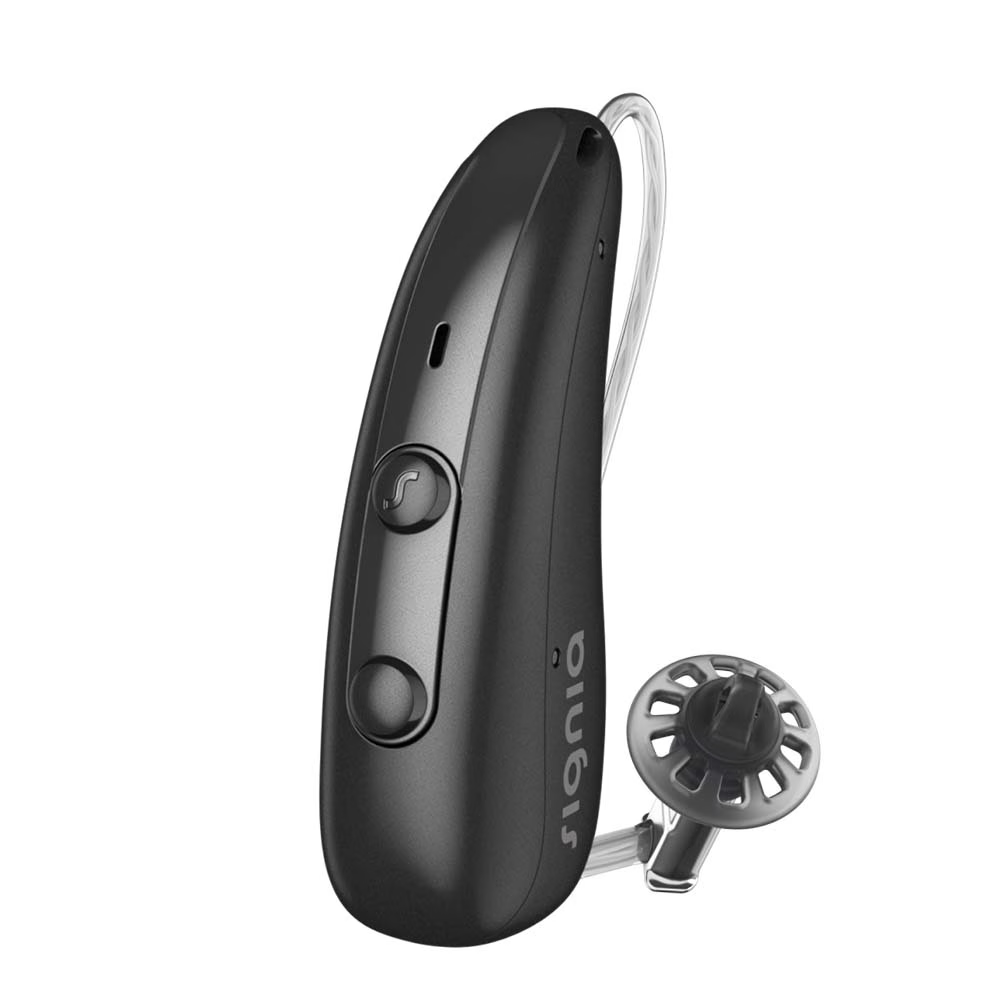
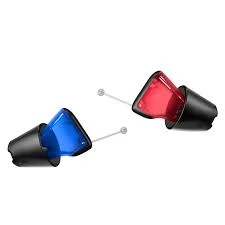
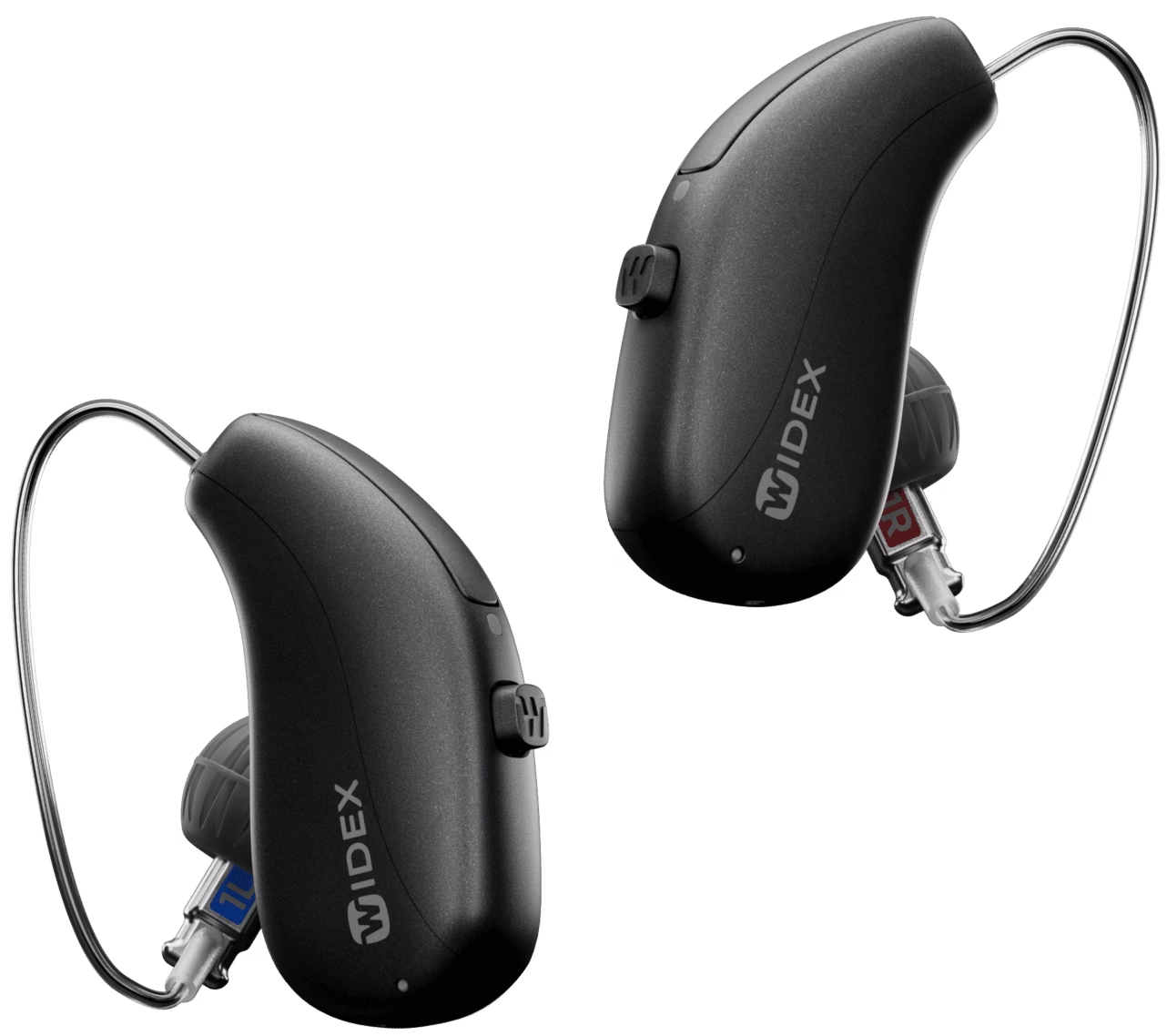
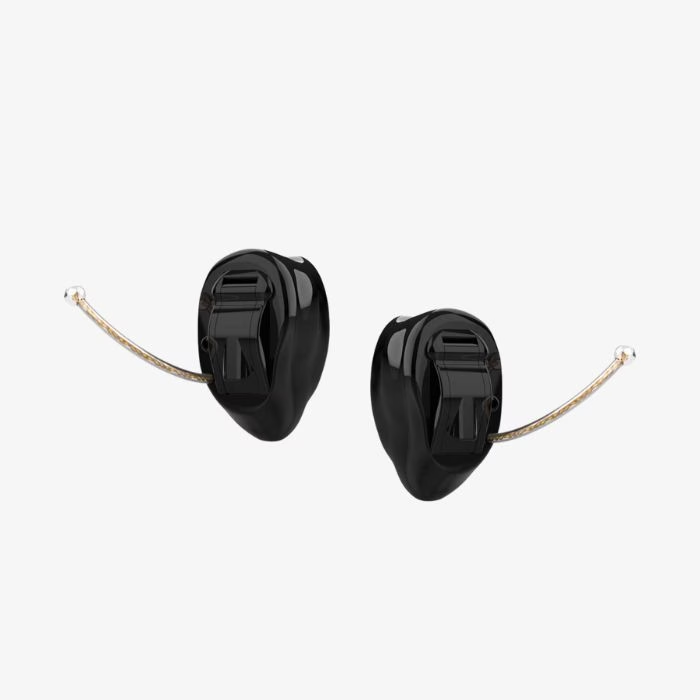
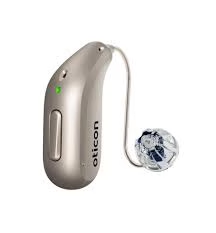
Rexton Reach B-Li BTE Hearing Aids

Last Updated on 13th May 2026 by Dane Lozano

The Rexton Reach B-Li is a rechargeable behind-the-ear (BTE) hearing aid designed to provide powerful amplification, intelligent speech enhancement, and reliable everyday hearing support for users with moderate to profound hearing loss. Built on Rexton’s latest Reach platform, the Reach B-Li combines AI-assisted sound processing, Bluetooth streaming, rechargeable convenience, and durable everyday performance in an easy-to-handle BTE design.

The Reach B-Li is available in multiple technology levels, allowing users to choose the level of speech enhancement, environmental adaptation, and noise reduction that best suits their lifestyle and hearing needs.


Available Technology Levels:

Reach 80 (Premium)
Reach 60 (Advanced)
Reach 40 (Mid-Level)
Reach 30 (Lower Mid-Level)
Reach 20 (Essential)


What Is the Rexton Reach B-Li?

The Rexton Reach B-Li is a rechargeable behind-the-ear hearing aid designed for users needing stronger amplification, dependable battery performance, and improved speech clarity in everyday listening environments.

Built using technology closely related to the Signia IX platform, Reach B-Li focuses heavily on:

  • Speech clarity in noise
  • Group conversation performance
  • Strong amplification power
  • Bluetooth streaming
  • Reliable all-day performance
  • Easy handling and comfort

The hearing aids are suitable for users with moderate to profound hearing loss and are designed for both quiet and active lifestyles.


Rexton Reach Technology Levels Explained

Reach 80 (Premium Tier)

The most advanced Reach B-Li model with maximum speech enhancement, strongest noise reduction, and the highest level of automatic environmental adaptation. Click here to order!

The Reach 80 is designed for users who regularly spend time in difficult listening environments such as restaurants, social gatherings, meetings, churches, and busy public spaces. It provides the strongest speech-in-noise performance and most refined directional processing in the Reach lineup.

Best For:

  • Busy active lifestyles
  • Frequent group conversations
  • Noisy social environments
  • Users wanting maximum hearing performance

Reach 60 (Advanced Tier)

A high-performance model offering excellent speech clarity, advanced noise management, and strong everyday hearing support. Click here to order!

The Reach 60 delivers many premium features from the Reach 80 while remaining more affordable. It is designed for users who frequently experience moderate noisy situations and regular social interaction.

Best For:

  • Moderate noisy environments
  • Regular social settings
  • Strong daily hearing support
  • Premium value performance

Reach 40 (Mid-Level Tier)

Balanced everyday hearing performance with reliable speech clarity and moderate noise reduction. Click here to order!

The Reach 40 focuses on comfortable daily listening for home conversations, television viewing, shopping, and occasional social settings.

Best For:

  • Everyday listening
  • Home and family conversations
  • Casual social environments
  • Balanced performance and affordability

Reach 30 (Lower Mid-Level Tier)

Reliable mid-entry performance with essential speech enhancement and balanced environmental adaptation. Click here to order!

The Reach 30 offers dependable hearing support for users spending most of their time in quieter or moderately active listening situations.

Best For:

  • Quiet to moderate environments
  • Everyday conversations
  • Light social use
  • Budget-conscious users

Reach 20 (Essential Tier)

The entry-level Reach B-Li model designed for quieter lifestyles and simple hearing needs. Click here to order!

The Reach 20 provides basic speech enhancement and dependable hearing assistance for users mainly in low-noise environments.

Best For:

  • Quiet lifestyles
  • First-time hearing aid users
  • One-to-one conversations
  • Entry-level hearing support

Key Features of Rexton Reach B-Li

Rechargeable Lithium-Ion Battery

Provides reliable all-day hearing support without disposable batteries.

Powerful BTE Amplification

Designed for users with moderate to profound hearing loss requiring stronger sound output.

Bluetooth Streaming

Users can stream:

  • Phone calls
  • Music
  • Television audio
  • Podcasts
  • Media

directly from compatible smartphones and devices.

Speech Preservation Technology

Helps improve speech understanding while reducing distracting background sounds.

AI-Assisted Sound Processing

The Reach platform automatically adjusts hearing settings based on changing environments.

Directional Microphone System

Helps focus on speech while reducing surrounding noise in busy environments.

Smartphone App Compatibility

Users can personalise settings and manage hearing aid controls through the Rexton app.

Durable Comfortable Design

The BTE design offers strong reliability, comfortable fit, and easier handling compared to smaller hearing aid styles.


Rexton Reach B-Li Technology Comparison Table

Feature Reach 80 Reach 60 Reach 40 Reach 30 Reach 20
Technology Level Premium Advanced Mid-Level Lower Mid-Level Essential
Speech in Noise Excellent Very good Good Good Basic–good
Noise Reduction Maximum Strong Moderate Balanced Basic
Automatic Adjustments Most advanced Advanced Moderate Moderate-basic Basic
Group Conversation Performance Excellent Very good Good Moderate-good Moderate
Directional Processing Premium Advanced Standard Balanced Basic
Environmental Adaptation Most refined Strong Moderate Balanced Basic
Streaming Features Full Full Full Full Full
Best For Active social users Regular social users Everyday use Moderate everyday environments Quiet lifestyles

Benefits of Rexton Reach B-Li Hearing Aids

Clearer Conversations

The Reach platform helps users hear speech more naturally in both quiet and noisy environments.

Strong Amplification Support

The BTE design provides powerful amplification for greater hearing loss needs.

Reliable Rechargeable Convenience

The rechargeable battery system eliminates disposable batteries and supports all-day wear.

Strong Connectivity Features

Bluetooth streaming allows seamless connection to phones, media devices, and televisions.

Comfortable Easy Handling

The BTE style is easier to handle and maintain compared to very small hearing aid designs.

Flexible Technology Choices

Users can choose the technology level that best matches their hearing requirements and budget.


Who Is the Rexton Reach B-Li Best For?

The Rexton Reach B-Li may be ideal for:

  • Users with moderate to profound hearing loss
  • Adults wanting rechargeable Bluetooth hearing aids
  • Users needing stronger amplification power
  • People struggling with speech clarity in noise
  • Individuals preferring reliable BTE hearing aids

Rexton Reach B-Li Summary

The Rexton Reach B-Li combines powerful amplification, rechargeable convenience, Bluetooth streaming, and intelligent speech enhancement in a reliable behind-the-ear hearing aid design. With technology levels ranging from Reach 20 to Reach 80, users can choose the level of hearing performance that best fits their lifestyle, listening environments, and hearing needs while enjoying dependable everyday support.

Rexton inoX CIC Hearing Aids

Last Updated on 12th May 2026 by Dane Lozano

The Rexton inoX CIC is a discreet Completely-in-Canal (CIC) hearing aid designed to provide natural sound quality, essential speech clarity, and comfortable all-day wear in a nearly invisible design. Sitting deep inside the ear canal, the inoX delivers simple, reliable hearing support without the bulk of behind-the-ear devices.

The inoX range is available in multiple technology levels, allowing users to choose the level of speech enhancement, noise reduction, and sound processing that best matches their lifestyle and listening needs.


Available Technology Levels:

inoX 80 (Premium)
inoX 60 (Advanced)
inoX 40 (Mid-Level)
inoX 30 (Lower Mid-Level)
inoX 20 (Essential)


What Is the Rexton inoX CIC?

The Rexton inoX CIC is a Completely-in-Canal hearing aid designed for users who want a discreet and simple hearing solution with natural sound quality and comfortable instant-fit wear.

Built using Rexton’s traditional sound processing technology, inoX focuses on:

  • Speech clarity in everyday conversations
  • Background noise reduction in moderate environments
  • Simple, reliable hearing performance
  • Comfortable nearly invisible design
  • Easy instant-fit use without custom moulds

The hearing aids are suitable for users with mild to moderate hearing loss and are designed for quieter to moderately social lifestyles.


Rexton inoX Technology Levels Explained

inoX 80 (Premium Tier)

Premium performance with maximum speech enhancement and advanced noise reduction for busy social environments. Click here to order!

The inoX 80 is designed for users who need the strongest possible performance in the inoX range. It delivers the best speech clarity in noise, strongest directional processing, and most advanced automatic sound adjustments available in this platform.

Best For:

  • Busy social environments
  • Restaurants and group conversations
  • Noisy public places
  • Users wanting maximum performance in a CIC design

inoX 60 (Advanced Tier)

High-performance hearing support with strong speech clarity and reliable noise reduction for active daily use. Click here to order!

The inoX 60 offers excellent everyday performance with improved speech understanding in noise compared to lower tiers, making it ideal for users with regular social interaction.

Best For:

  • Regular social environments
  • Moderate noise situations
  • Active everyday listening
  • Balanced premium performance

inoX 40 (Mid-Level Tier)

Balanced hearing performance for everyday use with good speech clarity and moderate noise reduction. Click here to order!

The inoX 40 focuses on natural sound quality and reliable daily hearing support for general environments.

Best For:

  • Home and workplace listening
  • Casual social environments
  • Everyday conversations
  • Balanced performance and comfort

inoX 30 (Lower Mid-Level Tier)

Reliable mid-entry performance with essential speech enhancement and stable sound processing. Click here to order!

The inoX 30 provides solid basic hearing support for users who mainly experience quieter or moderately active environments.

Best For:

  • Quiet to moderate environments
  • Home conversations
  • Light social use
  • Value-focused users

inoX 20 (Essential Tier)

Basic hearing support designed for quiet lifestyles and simple listening environments. Click here to order!

The inoX 20 is the most basic level in the inoX range, focusing on essential speech understanding in low-noise environments.

Best For:

  • Quiet lifestyles
  • One-to-one conversations
  • Minimal social environments
  • Entry-level hearing support

Key Features of Rexton inoX CIC

  • Ultra-discreet CIC design
  • Instant-fit soft sleeve comfort
  • Natural speech enhancement
  • Background noise reduction
  • Multiple technology levels available
  • Lightweight all-day wear

Rexton inoX Technology Comparison Table

Feature inoX 80 inoX 60 inoX 40 inoX 30 inoX 20
Technology Level Premium Advanced Mid-Level Lower Mid-Level Essential
Speech in Noise Excellent Very good Good Fair-good Basic
Noise Reduction Maximum Strong Moderate Moderate Low
Automatic Adjustments Most advanced Advanced Moderate Basic Minimal
Group Conversation Performance Excellent Very good Good Basic-good Basic
Directional Processing Premium Advanced Standard Basic Basic
Environmental Adaptation Strong Strong Moderate Basic Basic
Best For Busy social users Active users Everyday use Quiet-moderate use Quiet lifestyles

Benefits of Rexton inoX CIC Hearing Aids

Clearer everyday conversations with natural sound quality
Reduced background noise in moderate environments
Nearly invisible in-the-ear design
Comfortable instant-fit wearing experience
Flexible technology levels for different budgets
Simple and easy-to-use hearing solution


Who Is the Rexton inoX Best For?

The Rexton inoX CIC may be ideal for:

  • Users wanting invisible hearing aids
  • Mild to moderate hearing loss
  • Quiet to moderately noisy environments
  • First-time hearing aid users
  • People preferring simple hearing technology

Rexton inoX Summary

The Rexton inoX CIC is a discreet hearing aid range designed for users who want simple, comfortable, and nearly invisible hearing support. With technology levels from 20 to 80, it offers flexible performance options ranging from essential everyday hearing to advanced speech enhancement in noisier environments.

While it is an older-generation platform compared to modern Rexton Reach hearing aids, it remains a reliable choice for users prioritising discreet design and straightforward functionality.

Rexton Reach R-Li Hearing Aids

Last Updated on 12th May 2026 by Dane Lozano

The Rexton Reach R-Li is a premium rechargeable receiver-in-canal (RIC) hearing aid designed to provide clearer speech understanding, intelligent noise management, and reliable all-day hearing support. Powered by Rexton’s latest Reach platform, the Reach R-Li combines AI-assisted sound processing, Bluetooth streaming, rechargeable convenience, and durable everyday performance in a discreet modern RIC design.

The Reach R-Li is available in multiple technology levels, allowing users to choose the level of speech enhancement, automatic sound adaptation, and noise reduction that best matches their lifestyle and listening needs.

Available Technology Levels:

  • Reach 80 (Premium)
  • Reach 60 (Advanced)
  • Reach 40 (Mid-Level)
  • Reach 30 (Basic)
  • Reach 20 (Essential)

What Is the Rexton Reach R-Li?

The Rexton Reach R-Li is a rechargeable receiver-in-canal hearing aid designed for users wanting strong everyday hearing performance with modern wireless connectivity and intelligent speech enhancement.

Built using technology closely related to the Signia IX platform, Reach R-Li focuses heavily on:

  • Speech clarity in noise
  • Group conversation performance
  • Reliable battery life
  • Bluetooth streaming
  • Everyday durability

The hearing aids are suitable for users with mild to severe hearing loss and are designed for both quiet and active lifestyles.


Rexton Reach Technology Levels Explained

Reach 80 (Premium Tier)

The most advanced Reach model with maximum speech enhancement, strongest noise reduction, and the highest level of automatic environmental adaptation. Click here to order!

The Reach 80 is designed for users who regularly spend time in challenging listening environments such as restaurants, social gatherings, meetings, public spaces, and busy family events. It offers the strongest speech-in-noise performance, fastest automatic adjustments, and most refined directional microphone processing in the Reach lineup.

Best For:

  • Busy active lifestyles
  • Frequent group conversations
  • Restaurants and noisy social settings
  • Users wanting maximum hearing performance

Reach 60 (Advanced Tier)

A high-performance model offering excellent speech clarity, advanced noise management, and strong everyday hearing support. Click here to order!

The Reach 60 delivers many premium features found in the Reach 80 while offering slightly reduced environmental automation and speech tracking performance. It is ideal for users who spend regular time in social settings but may not require the absolute highest level of processing.

Best For:

  • Regular social environments
  • Moderate noisy situations
  • Users wanting premium features at better value

Reach 40 (Mid-Level Tier)

A balanced hearing aid designed for reliable everyday speech clarity, natural sound quality, and moderate noise reduction. Click here to order!

The Reach 40 focuses on everyday listening situations such as home conversations, shopping, television viewing, and casual social activities. It offers solid speech enhancement and automatic adjustments while remaining more affordable than higher technology tiers.

Best For:

  • Everyday moderate listening environments
  • Home and family conversations
  • Occasional noisy settings
  • Users wanting balanced performance and value

Reach 20 (Essential Tier)

The entry-level Reach model designed for quieter lifestyles and essential hearing support. Click here to order!

The Reach 20 provides basic AI-assisted hearing support and speech clarity for users who spend most of their time in quieter environments. It offers dependable everyday hearing assistance while remaining the most affordable model in the Reach lineup.

Best For:

  • Quiet lifestyles
  • First-time hearing aid users
  • Home environments
  • Budget-conscious users

Key Features of Rexton Reach R-Li

Rechargeable Lithium-Ion Battery

The rechargeable battery system provides reliable all-day hearing support without disposable batteries.

Bluetooth Streaming

Users can stream:

  • Phone calls
  • Music
  • Television audio
  • Podcasts
  • Media

directly from compatible smartphones and devices.

Speech Preservation Technology

Rexton’s advanced processing system helps improve speech clarity while reducing distracting background sounds.

AI-Assisted Sound Processing

The Reach platform automatically adjusts hearing settings based on changing environments and conversations.

Directional Microphone System

The hearing aids help focus on speech while reducing environmental distractions in noisy situations.

Smartphone App Compatibility

Users can adjust settings, personalise listening programs, and manage streaming through the Rexton app.

Durable Everyday Design

Rexton hearing aids are designed for dependable daily wear with strong reliability and comfortable fit.


Rexton Reach R-Li Technology Comparison Table

Feature Reach 80 Reach 60 Reach 40 Reach 30 Reach 20
Technology Level Premium Advanced Mid-Level Basic Essential
Speech in Noise Excellent Very good Good Good Basic–good
Noise Reduction Maximum Strong Moderate Balanced Basic
Automatic Adjustments Most advanced Advanced Moderate Moderate-basic Basic
Group Conversation Performance Excellent Very good Good Moderate-good Moderate
Directional Processing Premium Advanced Standard Balanced Basic
Environmental Adaptation Most refined Strong Moderate Balanced Basic
Streaming Features Full Full Full Full Full
Best For Active social users Regular social users Everyday use Moderate everyday environments Quiet lifestyles

Benefits of Rexton Reach R-Li Hearing Aids

Clearer Conversations

The Reach platform helps users hear speech more naturally in both quiet and noisy environments.

Reduced Listening Effort

Automatic sound optimisation helps reduce fatigue during long conversations and busy listening situations.

Reliable Rechargeable Convenience

The rechargeable battery system eliminates the need for disposable batteries.

Strong Connectivity Features

Bluetooth streaming allows seamless connection to phones, media devices, and televisions.

Comfortable Everyday Wear

The RIC design offers a balance of discreet appearance, comfort, and strong hearing performance.

Flexible Technology Choices

Users can choose the technology level that best fits their lifestyle and hearing needs.


Who Is the Rexton Reach R-Li Best For?

The Rexton Reach R-Li may be ideal for:

  • Adults wanting rechargeable Bluetooth hearing aids
  • Users struggling with speech clarity in noise
  • People wanting strong everyday hearing support
  • Users wanting flexible technology and pricing options
  • Individuals seeking premium performance with strong value

Rexton Reach R-Li Summary

The Rexton Reach R-Li combines rechargeable convenience, Bluetooth streaming, AI-assisted sound processing, and intelligent speech enhancement in a modern receiver-in-canal hearing aid design. With four technology levels available, users can choose the level of performance that best matches their lifestyle, listening environments, and budget while enjoying reliable everyday hearing support.

Oticon Zeal NXT In-The-Ear

Click here to order!

The Oticon Zeal is Oticon’s latest ultra-discreet rechargeable hearing aid designed for users who want premium hearing performance in a nearly invisible design. Combining advanced AI-powered sound processing, Bluetooth connectivity, rechargeability, and BrainHearing technology, Oticon Zeal delivers clear speech and natural sound while remaining one of the smallest complete hearing aid solutions currently available.


What Is the Oticon Zeal?

The Oticon Zeal is an advanced in-ear hearing aid platform designed to combine discreet styling with premium hearing technology. Unlike many traditional invisible hearing aids, Zeal includes rechargeable batteries, Bluetooth streaming, Auracast support, and AI sound processing in a compact design.

Oticon describes Zeal as “the world’s most discreet, complete hearing aid,” focusing on users who want both cosmetic discretion and full modern hearing aid functionality.


Key Features of Oticon Zeal

Second-Generation AI Sound Processing

Oticon Zeal uses advanced AI-driven sound processing to improve speech clarity and environmental awareness in real time, helping users hear conversations more naturally in challenging environments.

BrainHearing Technology

Oticon’s BrainHearing platform supports how the brain naturally processes sound by providing access to a balanced sound environment rather than aggressively isolating speech.

Ultra-Discreet In-Ear Design

The Zeal is designed to sit discreetly inside the ear, making it significantly less visible than traditional behind-the-ear hearing aids.

Rechargeable Battery System

The built-in lithium-ion battery provides all-day hearing support with fast charging and portable charging case options available.

Bluetooth LE Audio & Auracast

Users can stream phone calls, music, meetings, and media directly from compatible devices while also supporting new Auracast public broadcast technology.

Smartphone App Compatibility

The Oticon Companion app allows users to adjust settings, personalise listening programs, and locate misplaced hearing aids.

Flexible Same-Day Fitting

Oticon Zeal supports both instant-fit dome options and custom earmould fittings for more personalised comfort and retention.


Benefits of Oticon Zeal Hearing Aids

Nearly Invisible Appearance

Oticon Zeal is designed for users who want hearing support without the visibility of traditional hearing aids.

Clear Speech in Noise

AI-powered sound processing helps improve speech understanding in busy environments such as restaurants, social events, and public spaces.

Full Connectivity in a Small Device

Unlike many invisible hearing aids, Zeal includes streaming, app control, rechargeability, and Auracast support in one compact device.

Comfortable Daily Wear

Many early users praise the lightweight design and comfort during extended wear.

Natural Sound Quality

Oticon’s BrainHearing approach aims to deliver more balanced and realistic sound quality while reducing listening fatigue.


Real User Feedback

Some users describe Oticon Zeal as an “almost invisible” alternative to larger hearing aids while still maintaining premium streaming and AI features. Others praise the natural sound quality and comfort compared to traditional behind-the-ear models.

A few reviewers note that the small size may make insertion more difficult for users with dexterity challenges, while battery life may vary depending on streaming usage.


Who Is Oticon Zeal Best For?

Oticon Zeal may be ideal for:

  • Users wanting nearly invisible hearing aids
  • Adults seeking rechargeable in-ear hearing aids
  • People wanting Bluetooth streaming in a discreet device
  • Users struggling with speech clarity in noise
  • First-time hearing aid wearers wanting modern AI technology

Oticon Zeal Summary

The Oticon Zeal combines ultra-discreet styling with premium AI-powered hearing technology, rechargeable convenience, and full Bluetooth connectivity. Designed for users who want natural sound, clearer conversations, and modern streaming features in one of the smallest hearing aid designs available, Zeal represents Oticon’s newest generation of discreet premium hearing solutions.

Starkey Omega AI 20 CIC

Last Updated on 7th May 2026 by Dane Lozano

The Starkey Omega AI 20 CIC is designed for people who want advanced hearing technology in a discreet and comfortable custom-fit hearing aid. This Completely-In-Canal (CIC) model combines intelligent sound processing, background noise reduction, and clear speech enhancement in a nearly invisible design that fits comfortably inside the ear canal.

What Is the Starkey Omega AI 20 CIC?

The Starkey Omega AI 20 CIC is a custom-made hearing aid powered by Starkey’s Omega AI platform. Designed to improve hearing clarity in everyday environments, it automatically adjusts to changing sound conditions using artificial intelligence technology.

Its compact CIC design makes it an ideal choice for users looking for a discreet hearing solution without sacrificing performance.

Key Features of Starkey Omega AI 20 CIC

Advanced AI Sound Processing

The Omega AI 20 CIC continuously analyses your surroundings and adjusts sound settings automatically to improve speech understanding while reducing background distractions.

Speech Enhancement Technology

The hearing aid helps focus on conversations in noisy places such as restaurants, shops, family gatherings, and busy public areas.

Background Noise Reduction

Starkey’s intelligent processing system reduces unwanted environmental sounds to make listening more comfortable throughout the day.

Discreet Completely-In-Canal Design

The CIC style fits deep inside the ear canal, making the hearing aid difficult to notice while still providing excellent sound quality.

Custom-Fit Comfort

Each device is individually moulded to the shape of the wearer’s ears for improved comfort, stability, and sound performance.

Smartphone App Compatibility

Users can control settings, adjust volume, change listening programs, and access remote support through the My Starkey app.

Edge Mode+ Technology

Edge Mode+ provides additional sound optimisation in difficult listening situations to help users hear conversations more clearly when background noise increases.

Reliable Everyday Performance

The Omega AI 20 CIC offers strong performance for daily listening situations while balancing advanced features with affordability compared to higher technology tiers.

Benefits of Starkey Omega AI 20 CIC Hearing Aids

Clearer Conversations

The AI-powered processing helps users hear speech more naturally in both quiet and noisy environments.

Reduced Listening Effort

By automatically managing background noise, the hearing aid helps reduce listening fatigue during long conversations or busy days.

Nearly Invisible Appearance

Many users choose CIC hearing aids because they offer one of the most discreet hearing aid styles available.

Comfortable All-Day Wear

The custom-fit design allows the hearing aids to sit comfortably inside the ear canal for extended daily use.

Improved Confidence in Social Settings

Better hearing clarity can help users feel more confident during conversations, meetings, and social events.

Easy Personalisation

Through the My Starkey app, wearers can quickly personalise their listening experience without needing frequent in-office adjustments.

Who Is the Starkey Omega AI 20 CIC Best For?

The Starkey Omega AI 20 CIC may be suitable for:

  • Adults wanting discreet hearing aids
  • People with mild to severe hearing loss
  • Users who struggle with speech clarity in noise
  • Wearers seeking advanced AI hearing technology
  • Individuals wanting custom-fit hearing aids with smartphone controls

Starkey Omega AI 20 CIC Summary

The Starkey Omega AI 20 CIC combines discreet styling, intelligent sound processing, and custom comfort in a compact hearing aid solution. With AI-powered speech enhancement, background noise reduction, and smartphone compatibility, it offers a strong balance of performance and convenience for everyday hearing needs.

Starkey Omega AI 24 CIC

Last Updated on 7th May 2026 by Dane Lozano

Starkey Omega AI 24 CIC Hearing Aids

The Starkey Omega AI 24 CIC is designed for people who want premium hearing technology in a discreet, custom-fit device. Sitting comfortably inside the ear canal, this Completely-In-Canal (CIC) hearing aid combines advanced AI-driven sound processing with a nearly invisible design for all-day confidence and clearer hearing in challenging environments.

What Is the Starkey Omega AI 24 CIC?

The Starkey Omega AI 24 CIC is a custom-molded hearing aid powered by Starkey’s latest artificial intelligence platform and G3 Neuro Processor technology. It uses an always-on Deep Neural Network (DNN) to improve speech clarity while reducing unwanted background noise in real time.

Unlike larger hearing aids, the CIC style fits deeper inside the ear canal, making it one of the most discreet hearing aid options available.

Key Features of Starkey Omega AI 24 CIC

Advanced AI Sound Processing

The Omega AI 24 CIC continuously analyzes your listening environment and automatically adjusts settings to help you hear conversations more clearly. Starkey’s AI technology is designed to mimic the brain’s auditory cortex for more natural sound processing.

Deep Neural Network (DNN) Technology

The built-in DNN system helps separate speech from noise in busy places such as restaurants, cafes, family gatherings, and shopping centres. This reduces listening fatigue and improves speech understanding throughout the day.

Discreet CIC Design

The Completely-In-Canal design makes the hearing aid highly discreet and comfortable for many users. Because it sits inside the ear canal, it is less noticeable than traditional behind-the-ear hearing aids.

Custom-Fit Comfort

Each Omega AI 24 CIC hearing aid is custom-made from impressions of your ears for a secure and personalised fit. This helps improve comfort, sound quality, and retention.

Wireless Connectivity

The device supports wireless features and compatibility with Starkey accessories, including remote microphones and TV streamers.

My Starkey App Compatibility

Users can control volume, adjust programs, locate misplaced hearing aids, and access remote support through the My Starkey app.

Edge Mode+ Optimisation

Starkey’s Edge Mode+ uses AI to optimize hearing performance in difficult listening environments with a simple activation. This feature helps improve speech understanding when background noise becomes challenging.

Multiple Technology Levels

The Omega AI CIC is available in several technology tiers, including 24, 20, and 16. The 24 level provides the most advanced speech enhancement and noise management features.

Benefits of Starkey Omega AI 24 CIC Hearing Aids

Better Speech Clarity in Noise

One of the biggest benefits of the Omega AI 24 CIC is improved conversation understanding in noisy settings. The AI processing works continuously to reduce distractions and focus on speech. Starkey reports improved speech identification compared to previous generations.

Reduced Listening Fatigue

Listening effort can become exhausting for people with hearing loss. The Omega AI platform is designed to reduce strain and make listening feel more natural throughout the day.

More Natural Hearing Experience

The custom CIC design uses the ear’s natural shape to help deliver a more realistic listening experience while maintaining discreet visibility.

Increased Confidence in Social Situations

Many wearers prefer CIC hearing aids because they are difficult to notice. This can help users feel more comfortable in work, social, and family environments.

Convenient Smartphone Control

The My Starkey app gives users more control without needing to visit the clinic for every adjustment. Remote support features can also make follow-up care easier.

Suitable for Active Lifestyles

The compact design and advanced processing make the Omega AI 24 CIC a strong option for people who want discreet hearing support while staying active and socially engaged.

Real-World User Feedback

Some users report excellent speech clarity and strong noise reduction performance, especially in conversations. Others note that the AI processing can initially feel aggressive until settings are adjusted by an audiologist. Many users recommend working closely with a hearing care professional to personalise the programming for the most natural experience.

Who Is the Starkey Omega AI 24 CIC Best For?

The Starkey Omega AI 24 CIC may be ideal for:

  • Adults seeking discreet hearing aids
  • People with mild to severe hearing loss
  • Users who frequently struggle in noisy environments
  • Those wanting advanced AI hearing technology
  • Wearers looking for smartphone app control and wireless accessories

Starkey Omega AI 24 CIC Summary

The Starkey Omega AI 24 CIC combines discreet styling with advanced AI-driven hearing technology. With features such as Deep Neural Network processing, speech enhancement, Edge Mode+, and app connectivity, it is designed to deliver clearer conversations and reduced listening fatigue in everyday life.

For users who want premium custom hearing aids with advanced noise management and a nearly invisible appearance, the Omega AI 24 CIC is one of Starkey’s most advanced solutions available today.

Hearing Aids Today: A Modern Look at Accessibility

Last Updated on 05/03/2026 by Admin

Transformative Developments in Hearing Aid Technologies

What Key Innovations Have Improved Everyday Use of Hearing Aids?

Recent progress in hearing aid technologies has dramatically transformed how users engage with sound in their daily lives. Innovations like advanced signal processing enable devices to effectively differentiate between distracting background noise and important sounds, thereby enhancing overall auditory clarity. For instance, contemporary hearing aids allow users to concentrate on conversations in bustling environments, such as crowded cafes or busy streets, thus providing a personalized auditory experience tailored to individual preferences and needs.

Furthermore, features like rechargeable batteries and smartphone integration have significantly improved the user-friendliness of hearing aids. Users can now effortlessly manage their devices through dedicated apps, making real-time adjustments to settings while on the move. This harmonious integration of technology not only simplifies the user’s daily experience but also ensures that they remain connected and engaged in vital life moments without missing a beat.

What Are the Primary Factors Affecting Hearing Aid Adoption Rates?

The rates at which individuals adopt hearing aids are influenced by several critical factors, with cost and design being paramount. The often high price of hearing aids can discourage potential users from pursuing these essential devices, particularly in regions where health insurance fails to cover such expenses. Additionally, many individuals find traditional hearing aid designs to be bulky or unattractive, creating yet another barrier to widespread adoption. Enhancements in both the aesthetics and affordability of these devices are crucial for increasing accessibility and acceptance.

  • Improved aesthetics lead to increased user confidence.
  • Innovative technology significantly enhances the overall user experience.
  • Affordable pricing makes hearing aids accessible to a wider audience.
  • Customized solutions cater to the unique needs of individual users.
  • Ease of use encourages consistent daily wear for optimal benefit.

These advantages are essential as they directly influence individuals’ willingness to embrace hearing aids, playing a pivotal role in shaping the future landscape of hearing health.

How Do Hearing Aids Benefit Various User Groups?

Today’s hearing aids serve a diverse range of users, from seniors to children, demonstrating remarkable inclusivity. These devices are meticulously designed to accommodate various types of hearing impairments, ensuring that individuals from all walks of life can experience improved sound quality. For example, pediatric hearing aids often feature vibrant designs and adjustable settings that cater to the needs of younger users, making them both functional and appealing.

Additionally, many contemporary hearing aids provide multi-channel amplification, allowing users to hear clearly in a variety of environments, from tranquil rooms to lively gatherings. This adaptability not only enhances social integration across different settings but also fosters a sense of belonging among users. As accessibility continues to improve, more individuals are sharing their experiences, creating a supportive community that benefits everyone involved.

What Emerging Technologies Are Shaping the Future of Hearing Aids?

Emerging technologies are consistently influencing the evolution of hearing aids, particularly through advancements such as AI-driven noise cancellation and Bluetooth connectivity. These cutting-edge features enhance real-time audio processing, enabling users to enjoy clearer sound tailored to their specific environments. For example, AI can detect when a user is in a crowded area and automatically adjust settings to reduce background noise, prioritizing speech clarity instead.

The incorporation of Bluetooth technology allows users to connect their hearing aids seamlessly with smartphones and other devices, enabling them to stream music, phone calls, and videos directly to their hearing aids. This enriches their daily experiences and makes technology an integral part of their lives. Such innovations not only address common challenges faced by hearing aid users but also significantly enhance overall satisfaction and accessibility, bridging the gap between technology and user needs.

What Are the Ongoing Challenges and Limitations in Current Hearing Aid Designs?

Despite the advancements in hearing aid technologies, several challenges remain that negatively impact user experience. A major concern is battery life; many users find themselves frequently recharging their devices or needing to replace batteries. This issue can be particularly frustrating for individuals who rely on their hearing aids throughout the day for effective communication.

Moreover, difficulties related to fitting continue to pose a challenge, as many users struggle to find devices that are comfortable and effective. Poor fitting can lead to compromised sound quality and discomfort, ultimately reducing the likelihood of consistent use. Addressing these challenges requires ongoing innovation and heightened awareness, ensuring that hearing aids are designed to be not only effective but also inclusive and accommodating for all users.

How Is Technology Enhancing Accessibility in Hearing Aids?

What Core Components Contribute to the Enhanced Usability of Modern Hearing Aids?

Modern hearing aids incorporate several critical components that significantly enhance accessibility and usability. Connectivity options stand out as one of the most vital features, allowing users to link their devices to smartphones, televisions, and other audio sources. This connectivity results in a more integrated audio experience, enabling users to enjoy their favorite media without any barriers.

Additionally, advanced microphones and speakers are essential, as they contribute to superior sound quality and effective noise reduction. With these components in place, users can hear conversations and other sounds more distinctly, regardless of their environment. By focusing on these fundamental elements, manufacturers are striving to design hearing aids that cater to the diverse needs of users globally.

What Challenges Arise When Integrating New Features into Hearing Aids?

Integrating new features into hearing aids does not come without challenges, particularly regarding compatibility issues. Users may discover that the latest technological advancements do not always work seamlessly with their existing devices or infrastructure, leading to frustration and discouraging the adoption of new solutions. Compatibility challenges can severely limit the overall effectiveness of advanced features, highlighting the need for manufacturers to prioritize user-friendly designs.

Overcoming these hurdles necessitates collaboration between technology developers and hearing aid manufacturers, ensuring that new innovations fit seamlessly into users’ daily lives. As technology evolves, the creation of solutions that are both advanced and easy to use remains crucial for encouraging wider adoption and enhancing user satisfaction.

Why Is User Feedback Crucial in Shaping Hearing Aid Designs?

User feedback is invaluable in informing the future of hearing aid designs. Understanding the experiences and preferences of users can unveil critical insights into effective features and areas needing improvement, guiding enhancements that boost usability and satisfaction. This ongoing dialogue is essential for manufacturers to create products that genuinely meet the real needs of their customers.

As user preferences continue to evolve, feedback can spotlight emerging trends and expectations, allowing manufacturers to remain ahead of the curve. By prioritizing user perspectives, hearing aid companies can cultivate a culture of continuous improvement that results in better products and happier users, ultimately promoting greater accessibility for all.

How Is AI Transforming Accessibility in Hearing Aids?

Artificial intelligence is playing a pivotal role in revolutionizing accessibility in hearing aids through innovative features like voice recognition and predictive interfaces. These advancements empower users with disabilities to engage more seamlessly with their devices, leading to an intuitive and user-friendly experience. For instance, voice recognition technology enables users to control their hearing aids with simple voice commands, minimizing the need for manual adjustments.

The integration of AI not only streamlines the user experience but also fosters broader societal inclusion. As technology continues to advance, it opens doors for individuals with hearing impairments to participate more fully in various aspects of life, including social interactions, education, and employment opportunities. Embracing these innovations contributes to a more inclusive world for everyone.

Insights from Experts on Hearing Aid Accessibility Today

What Technological Innovations Are Driving Hearing Aid Accessibility?

Experts in the field emphasize that advancements such as Bluetooth integration and AI functionalities have significantly improved the accessibility of hearing aids. These innovations have made devices not only more intuitive but also more affordable, widening the potential for adoption among diverse populations. As technology evolves, users benefit from a more seamless experience, enhancing their overall quality of life and engagement.

Moreover, the emphasis on user-centered design has resulted in hearing aids that are more adaptable to various environments and personal preferences. This shift towards customization provides individuals with tailored solutions that effectively address their unique hearing needs, making the devices much more effective. Consequently, an increasing number of people are reaping the benefits of these technological advancements, positively impacting society as a whole.

What Policy Changes Are Influencing Hearing Aid Access?

Recent regulatory reforms have played a crucial role in improving access to hearing aids. The introduction of over-the-counter availability has significantly reduced costs and eliminated the traditional prescription barriers that previously hindered many from obtaining these essential devices. As a result, a greater number of individuals can now easily access hearing aids, fostering greater inclusion within society.

These policy changes reflect a growing recognition of the importance of hearing health and the necessity of making solutions more accessible. By removing financial and bureaucratic obstacles, these reforms enable individuals to seek help without the fear of prohibitive costs, ultimately contributing to a more inclusive community.

What Research-Backed Benefits Arise from Improved Hearing Aid Accessibility?

Research consistently reaffirms the numerous benefits associated with the improved accessibility of hearing aids today. Individuals who utilize these devices experience enhanced communication, stronger social interactions, and an overall better quality of life. Studies indicate that better hearing correlates with improved mental health and lower rates of depression, underscoring the critical importance of access to these essential tools.

Moreover, as more people gain access to hearing aids, there is a noticeable decline in social isolation. This increased engagement fosters a sense of community and belonging, which is vital for individuals with hearing impairments. As accessibility improves, so too does the overall well-being of users, emphasizing the need for continued efforts in this vital area.

What Ongoing Challenges Persist in Hearing Aid Accessibility?

Despite the significant advancements achieved in the accessibility of hearing aids, challenges remain that impede further progress. One pressing issue is the disparity in access across different regions and socioeconomic groups. While some individuals can access the latest technologies, others are left behind due to economic challenges or insufficient healthcare resources.

Additionally, misinformation about hearing aids continues to circulate, leading to misunderstandings regarding their effectiveness and usability. Overcoming these barriers necessitates ongoing education and outreach efforts to ensure that everyone comprehends the benefits and options available to them. Addressing these challenges is essential for nurturing a more inclusive environment for all individuals with hearing impairments.

What Trusted Strategies Can Enhance Hearing Aid Accessibility?

To improve the accessibility of hearing aids, several trusted strategies can be implemented. First, fostering partnerships between healthcare providers and technology manufacturers can lead to more integrated solutions that effectively meet user needs. Collaborative efforts can streamline access to services and devices, creating a more supportive ecosystem for individuals seeking help.

Educational initiatives are equally vital, as informing individuals about their options empowers them to seek assistance. Providing resources that elucidate the benefits of hearing aids and the support available can encourage more people to take proactive steps toward better hearing health.

Finally, advocacy for policy changes that promote affordability and accessibility must persist. Urging lawmakers to prioritize hearing health in healthcare reforms can lead to enduring improvements that benefit society as a whole. By implementing these strategies, we can aspire to a future where hearing aids are accessible to everyone who needs them.

Frequently Asked Questions

What Are the Main Advantages of Using Hearing Aids?

Hearing aids enhance communication, improve social interactions, and support overall mental health by mitigating feelings of isolation and depression.

How Have Hearing Aids Evolved Recently?

Recent advancements encompass AI-driven features, Bluetooth connectivity, and improved design elements that enhance user experience and accessibility.

What Challenges Do Users Face with Current Hearing Aid Technologies?

Challenges include high costs, fitting difficulties, and battery life issues, all of which can negatively affect user experience and consistency in device use.

How Do AI Technologies Influence Hearing Aids?

AI enhances hearing aids by enabling features like voice recognition and noise cancellation, facilitating a more personalized auditory experience for users.

What Should I Consider When Selecting a Hearing Aid?

Consider factors such as comfort, design, technology features, and your specific hearing needs to identify the best device for your lifestyle.

Are There Financial Assistance Programs Available for Hearing Aids?

Yes, numerous programs and initiatives exist to provide financial assistance for hearing aids, including government support and non-profit organizations.

What Role Do Healthcare Providers Play in Facilitating Access to Hearing Aids?

Healthcare providers assist in assessing hearing needs, recommending suitable devices, and guiding patients through the process of obtaining hearing aids.

How Can Policy Changes Enhance Hearing Aid Accessibility?

Policy changes aimed at reducing costs and eliminating prescription requirements can significantly increase access to hearing aids for a larger population.

What User-Friendly Features Are Common in Modern Hearing Aids?

Modern hearing aids frequently include smartphone connectivity, rechargeable batteries, and customizable settings tailored for various environments.

How Can I Educate Myself on Hearing Aids?

Conduct research online, consult healthcare professionals, and explore community resources to gain a better understanding of hearing aids and their benefits.

Visit us on X today!

The post Hearing Aids Today: A Modern Look at Accessibility appeared first on The Microsuction Ear Wax Removal Network.

3D Printing in Hearing Aids: Transforming Lives Through Innovation

Last Updated on 03/03/2026 by Admin

Understanding the Fundamentals of 3D Printing in Hearing Aids

What Steps Are Involved in the 3D Printing Process?

The process of 3D printing consists of layering materials to fabricate customized devices, which provides remarkable precision and efficiency in the manufacturing realm. This revolutionary technique enables the creation of tailored solutions that greatly enhance user comfort and overall functionality. In the context of hearing aids, the meticulous layering means that each device can be crafted to fit the distinct contours of an individual’s ear, significantly improving auditory experiences for users around the world.

During this process, digital models transform into tangible objects using various methods such as fused deposition modeling or stereolithography. These advanced techniques empower manufacturers to develop complex shapes that would be challenging or even impossible to achieve through conventional manufacturing methods. The ability to swiftly produce these personalized devices has transformed the hearing aid industry, driving innovations that cater to the diverse needs of users globally.

What Are the Essential Materials Used in Hearing Aid Production?

In the field of 3D printing, several polymers and resins are crucial for creating durable, lightweight designs that seamlessly adapt to individual user needs. These materials not only ensure a better fit and improved performance for hearing aids but also help significantly reduce waste during the creation process. Consequently, manufacturers can produce high-quality devices while minimizing their environmental footprint.

Each of these materials possesses unique properties that enhance the overall functionality and comfort of hearing aids. For example, polyamide provides flexibility, while polycarbonate offers exceptional durability. The choice of material directly impacts the performance and lifespan of the final product, making the selection process vital for manufacturers who aim to deliver high-quality hearing aids that meet user expectations.

How Does 3D Printing Integrate with Existing Technologies?

The integration of 3D printing with existing technologies, such as digital modeling and scanning, significantly boosts accuracy and efficiency in the production of hearing aids. This collaboration fosters innovative designs that effectively address prevalent challenges, including sound quality and wearability. By employing advanced software for modeling, manufacturers can create detailed virtual representations of a user’s ear, which serve as precise templates for the 3D printing process.

This integration not only simplifies the design stage but also facilitates rapid prototyping, allowing for immediate adjustments based on user feedback. The ability to quickly iterate designs is crucial in a competitive market where user satisfaction is key. By embracing this technological synergy, manufacturers can guarantee that their hearing aids are not only high-performing but also customized to meet the unique requirements of users worldwide.

What Are the Key Benefits of 3D Printing for Hearing Aids?

The advantages of 3D printing for hearing aids are numerous, particularly regarding personalized fitting. This technology permits the creation of precise ear canal replicas, translating into unparalleled comfort and sound quality for users. By manufacturing devices that closely align with the intricacies of an individual’s ear structure, manufacturers can significantly enhance the auditory experience.

Additionally, the 3D printing process dramatically shortens manufacturing time and reduces costs, making it a practical option for both large-scale production and custom orders. Manufacturers can rapidly modify designs based on user feedback, leading to improvements in both functionality and aesthetics. This adaptability encourages environmentally friendly production, as 3D printing often results in less material waste compared to traditional manufacturing methods.

What Challenges and Solutions Exist in 3D Printing for Hearing Aids?

Despite the impressive benefits, challenges are associated with 3D printing in the hearing aid sector, particularly regarding material durability and precision in complex designs. These challenges can impact the longevity and performance of the devices. To tackle these issues, manufacturers are increasingly exploring advanced resins that offer superior durability and flexibility. Additionally, implementing quality control software ensures that each device adheres to stringent performance standards.

By addressing these challenges through innovative solutions, manufacturers can enhance user outcomes and device performance, ultimately resulting in higher satisfaction rates among hearing aid users. Continuous research and development in material science are also crucial in pushing the boundaries of what can be achieved through 3D printing.

How Is 3D Printing Revolutionizing Hearing Aid Design?

What Importance Does Customization Hold?

Customization serves as a fundamental aspect of 3D printing technology in hearing aids. The ability to achieve personalized fitting through advanced 3D scanning techniques ensures that devices precisely mirror the unique shapes of individual ears. This extraordinary level of customization greatly enhances comfort and effectiveness for diverse users, minimizing irritation and optimizing audio delivery.

With the capability to create tailored designs, manufacturers can also address specific hearing needs, such as varying degrees of hearing loss or distinct preferences in sound processing. The outcome is a hearing aid that not only fits well but also performs exceptionally, making it an invaluable instrument for improving the quality of life for users around the globe.

How Is the Speed of Prototyping Impactful?

The rapid prototyping capabilities of 3D printing represent a transformative element for the hearing aid industry. Quick iteration allows for shorter development cycles, enabling companies to bring products to market swiftly and make adjustments based on user feedback effectively. This agility is vital in an industry where both technology and user expectations are constantly evolving.

Manufacturers can efficiently create and test multiple design iterations, identifying which features resonate with users and which do not. By capitalizing on this speed, companies can refine their offerings to align with the dynamic needs of their customer base. Consequently, this approach not only accelerates innovation but also enhances user satisfaction, as devices can be tailored more accurately to individual preferences and requirements.

What Is the Impact on Aesthetics in Hearing Aids?

The influence of 3D printing on the aesthetics of hearing aids is substantial. The precise layering technique enables the production of sleek, more discreet models that users find visually appealing. This enhancement is particularly significant in social contexts, where the appearance of hearing aids can affect a user’s confidence and willingness to wear them.

As manufacturers continue to innovate with 3D printing, they can design products that seamlessly integrate with users’ personal styles. This focus on aesthetics, combined with the fundamental need for functionality, ensures that hearing aids fulfill their practical purpose without compromising visual appeal. Ultimately, this balance encourages wider acceptance and use of hearing aids among individuals of all ages and backgrounds.

Expert Perspectives on the Role of 3D Printing in Hearing Aids

How Do Experts Evaluate Material Innovations?

Experts in the domain of 3D printing for hearing aids underscore the critical importance of selecting optimal materials, as this choice significantly impacts the durability and user satisfaction of the devices. Evaluating material innovations involves actionable steps, such as conducting comprehensive research into the properties of various materials, performing evidence-based testing, and soliciting feedback from users regarding comfort and performance.

By adopting a systematic approach to material selection, manufacturers can significantly enhance the overall quality of their products. For example, biocompatible materials are essential in preventing allergic reactions and ensuring user comfort. Moreover, the right material can dramatically improve sound transmission capabilities, ultimately resulting in better hearing outcomes for users across the globe. This expert analysis is vital in shaping the future of hearing aid technology.

What Professional Benefits Are Recognized?

From a professional viewpoint, the benefits of 3D printing extend beyond mere cost reductions; they also encompass efficiency gains that enhance accessibility for users. Experts assert that the capability to produce custom hearing aids on demand significantly lowers production costs, making advanced auditory solutions available to a broader audience.

Additionally, the streamlined production process enables quicker responses to market needs and user requirements. With a strong emphasis on quality control and material innovation, professionals are well-positioned to deliver devices that not only meet but exceed user expectations. This progressive approach to manufacturing is vital for enhancing outcomes in device performance and overall user satisfaction.

What Predictions Do Experts Hold for the Future?

Experts forecast that the future of 3D printing in hearing aids is likely to witness a transition towards more sophisticated techniques promising even greater precision. Current trends suggest an increasing focus on enhancing sound quality and functionality through innovative design methodologies. For instance, integrating machine learning algorithms may facilitate the development of more adaptive and responsive hearing aids that adjust settings according to the user’s environment.

Real-world applications of these evolving techniques are already emerging, with prototypes showcasing advanced features such as noise cancellation and personalized sound profiles. As these advancements gain momentum, they are expected to revolutionize the hearing aid industry, resulting in devices that are not only more effective but also align with the diverse needs of users worldwide.

What Advantages Does 3D Printing Offer?

How Is Cost-Effectiveness Achieved in Manufacturing?

The cost-effectiveness of 3D printing in manufacturing hearing aids is a significant advantage propelling its adoption across the industry. By enabling on-demand printing, manufacturers can drastically lower production costs, making devices more affordable without sacrificing quality. This cost reduction ensures that advanced hearing solutions become accessible to a wider range of users.

Moreover, the ability to create custom devices in smaller batches minimizes inventory costs and waste, contributing to a more sustainable business model. As manufacturers continue to refine the 3D printing process, the potential to offer high-quality hearing aids at competitive prices will likely lead to broader adoption and improved hearing outcomes for users globally.

Why Is Precision Vital in Hearing Aid Design?

Precision plays a critical role in the design and manufacturing of hearing aids, as it directly affects user satisfaction and device performance. Accurate designs prevent common issues such as poor fit, which can lead to discomfort and suboptimal sound delivery. By ensuring that hearing aids are customized to the specific anatomical variations of each user, manufacturers can enhance reliability and effectiveness.

Incorporating precision into the design process ultimately results in higher user satisfaction levels, as devices that fit well and function effectively are more likely to be worn consistently. This ongoing commitment to precision is essential for fostering trust and loyalty among users in the hearing aid market.

What Sustainability Aspects Should Be Considered?

Sustainability is a vital consideration in the production of hearing aids through 3D printing. Eco-friendly methods significantly reduce waste, promoting the creation of longer-lasting products that align with responsible manufacturing practices. By utilizing materials that are recyclable or biodegradable, manufacturers can contribute to a more sustainable future within the hearing aid industry.

Additionally, the capability to produce customized devices on demand lessens the need for large-scale manufacturing runs, further decreasing environmental impact. As consumers increasingly prioritize sustainability, manufacturers that embrace these eco-friendly practices will not only enhance their brand reputation but also meet the growing demand for responsible products in the marketplace.

How Does Customization and Personalization Enhance Hearing Aids?

The flexibility of 3D printing allows for the creation of highly customized hearing aids tailored to individual needs. This personalization can encompass everything from the specific shape and size of the device to the integration of unique features that enhance the user experience. Custom prosthetics and personalized designs can significantly improve overall satisfaction, as each device is crafted to meet the precise requirements of the user.

This level of customization accelerates innovation within the industry and reduces the need for excessive inventory, as manufacturers can produce hearing aids made to order. In turn, this responsiveness to user needs fosters a more efficient manufacturing process and a greater likelihood of positive outcomes for individuals who rely on hearing aids for enhanced auditory experiences.

Research-Backed Benefits of 3D Printing in Hearing Aids

What Evidence Do Studies Provide on User Outcomes?

Research indicates that customized fits produced through 3D printing lead to improved hearing results. Data demonstrates higher compliance rates among users, along with fewer adjustments required over time. By ensuring that devices fit well and operate effectively, manufacturers can enhance user satisfaction and overall auditory experiences.

Actionable steps based on expert findings include conducting comprehensive user trials to gather feedback on comfort and performance. This feedback can then inform design iterations, leading to continuous improvements in the quality of hearing aids. Ultimately, the evidence supports that tailored designs significantly enhance user outcomes, reinforcing the case for wider adoption of 3D printing technologies within the industry.

What Insights Do Studies Provide on Long-term Durability?

Studies have confirmed that components produced through 3D printing exhibit enhanced long-term durability, making them more resilient to the rigors of daily wear and tear. This durability translates to a decreased need for replacements, ultimately enhancing overall reliability. Users benefit from devices that can withstand everyday life, ensuring consistent performance over time.

Furthermore, the capability to produce durable components means that manufacturers can prioritize quality without compromising longevity. As a result, users enjoy hearing aids that not only perform effectively but also last significantly longer than traditional alternatives, reinforcing the value of investing in high-quality 3D-printed solutions.

How Does 3D Printing Enhance Accessibility?

Accessibility stands as a significant advantage of 3D printing, as the technology facilitates the affordable and rapid production of hearing aids, broadening their reach to more users. Findings suggest that the ability to produce customized devices on demand eliminates many barriers that have traditionally obstructed access to advanced hearing solutions.

By lowering production costs and enabling faster turnaround times, manufacturers can provide hearing aids that cater to diverse populations, ensuring that individuals with varying levels of hearing loss can find suitable solutions. This increased accessibility promotes a more inclusive approach to hearing health, allowing more people to benefit from improved auditory experiences.

What Challenges Does 3D Printing Encounter in Hearing Aids?

What Regulatory Hurdles Must Be Overcome?

One of the primary challenges confronting 3D printing in the hearing aid sector involves navigating regulatory hurdles to ensure safety and efficacy. Regulatory standards can differ significantly, and delays in obtaining the necessary approvals can greatly affect timely innovation in device development. Manufacturers must remain vigilant in understanding the specific requirements of their markets, which can be a complex and time-consuming endeavor.

To mitigate these challenges, many companies invest in comprehensive compliance teams that stay updated on changing regulations and ensure that products meet all necessary guidelines before reaching the market. By prioritizing regulatory compliance, manufacturers can foster user trust and confidence, ultimately leading to greater acceptance of 3D-printed hearing aids.

What Material Limitations Are Explored?

Despite advancements in 3D printing, certain materials may still present limitations, particularly concerning flexibility and strength. This necessitates ongoing research to strike a balance between these two essential attributes for optimal performance. Manufacturers must explore new materials that can deliver both the durability needed for long-term use and the comfort that users expect.

Developing innovative composites and hybrids that harness the best properties of existing materials is a promising approach to overcoming these limitations. As research progresses, the availability of new, versatile materials will likely enhance the performance and appeal of 3D-printed hearing aids, catering to the diverse needs of users worldwide.

Why Is Quality Control Fundamental?

Maintaining high standards of quality control in the production of 3D printed hearing aids is essential to prevent defects and ensure reliable performance over time. Consistent checks throughout the manufacturing process can identify issues early, preventing substandard products from reaching consumers.

Implementing rigorous testing protocols and leveraging advanced monitoring technologies can facilitate effective quality assurance. By emphasizing quality control, manufacturers can enhance user satisfaction and build a reputation for reliability, which is critical in the competitive hearing aid market. This commitment to excellence ultimately drives user trust and fosters a loyal customer base.

Innovations in 3D Printing for Hearing Aids

What Emerging Techniques Are Influencing Design?

New techniques in 3D printing design are transforming the landscape of hearing aids, enabling the creation of more intricate structures that enhance functionality and user experience. Advancements in software integration allow designers to craft complex geometries that optimize sound transmission and improve comfort. These innovations are paving the way for a new generation of hearing aids that challenge traditional design boundaries.

For instance, emerging methods such as generative design and topology optimization facilitate the development of lightweight, high-strength materials that can be customized to meet specific user needs. As these methodologies gain traction, they are expected to yield hearing aids that not only perform exceptionally but also align with the aesthetic preferences of users worldwide, ensuring that technology seamlessly integrates into daily life.

How Does Integration Affect Performance?

The seamless incorporation of 3D printing with other technologies significantly enhances the performance of hearing aids. For example, integrating noise cancellation techniques and advanced audio processing algorithms enriches the overall user experience. This synergy allows devices to adapt to different environments, thereby improving sound quality in a range of settings.

Moreover, the collaborative potential between 3D printed components and electronic systems enables the creation of smarter hearing aids that respond dynamically to user inputs. As technology evolves, the integration of artificial intelligence and machine learning is likely to play a crucial role in optimizing hearing aid functionality, making them more intuitive and effective for various hearing needs.

What Scalability Opportunities Exist for Production?

The scalability of 3D printing technology represents a significant advantage, allowing for mass customization while keeping production costs manageable. Efficient scaling enables manufacturers to meet rising demands without compromising quality, making it an appealing option in the competitive hearing aid market.

  • Utilizing modular designs for easy adjustments
  • Employing automated printing processes for enhanced efficiency
  • Incorporating cloud-based production management systems
  • Adopting just-in-time manufacturing strategies

By embracing these strategies, manufacturers can streamline their operations and respond more effectively to market trends. This adaptability not only enhances the user experience but also solidifies the position of 3D printing as a leading technology in hearing aid production.

What Advances Are Being Made in Biocompatible Materials?

Advances in biocompatible materials for 3D printing have led to the creation of hearing aids that are more comfortable and durable, with a significantly reduced likelihood of causing skin irritations. These innovative materials allow for precise customization tailored to individual ear anatomies, enhancing sound transmission and overall device performance while adhering to safety standards.

As these materials evolve, they will empower manufacturers to produce hearing aids that meet functional requirements while prioritizing user comfort and satisfaction. The focus on biocompatibility will ensure that users can wear their hearing aids with confidence, knowing that their health and comfort are top priorities in the design process. This commitment to user well-being will further promote the adoption of 3D printed hearing aids across diverse populations globally.

What Trends and Challenges Are Anticipated in the Future?

The future of 3D printing in hearing aids is on the brink of significant advancements, especially with the integration of artificial intelligence (AI) for adaptive sound processing. As technology progresses, we can expect hearing aids to become more intelligent, capable of analyzing environmental sounds and user preferences in real-time to deliver personalized audio adjustments that enhance user experience.

However, challenges such as ensuring material consistency and addressing intellectual property issues in designs will remain obstacles as the industry evolves. Balancing innovation with regulatory compliance will be critical to delivering high-quality, accessible solutions. As manufacturers navigate these complexities, the commitment to advancing 3D printing technology will shape the future of hearing aids, making them more effective and widely available to those in need.

Looking Ahead: The Future of 3D Printing in Hearing Aids

What Potential Advancements Are on the Horizon?

As the field of 3D printing continues to develop, potential advancements may introduce smarter materials that enhance adaptability and integration with wearable technology. Innovations in material science could lead to hearing aids that are not only more comfortable but also capable of learning from user behavior to optimize performance.

These advancements will likely focus on improving the user experience by incorporating features that respond to real-time auditory environments. As manufacturers explore the intersection of new materials and advanced technologies, the future of hearing aids promises to be more dynamic and centered around user needs than ever before.

How Are User Applications Evolving?

The applications of hearing aids are expected to transform dramatically, with devices becoming more multifunctional and adaptable to various environments. Future hearing aids may incorporate features that allow them to seamlessly transition between indoor and outdoor settings, adjusting audio settings based on noise levels and user preferences.

This evolution will enhance the overall usability of hearing aids, ensuring they meet the diverse needs of users across different contexts. As technology progresses, the potential for hearing aids to integrate with other devices and platforms will further enhance their functionality, making them indispensable tools for everyday life.

What Ethical Considerations Are Emerging with Growth?

As 3D printing technology in hearing aids expands, ethical considerations will become increasingly significant. Ensuring equitable access to these innovative solutions is crucial, as advanced hearing aids should benefit all users, regardless of socioeconomic status. Manufacturers must prioritize inclusivity in their designs and distribution strategies to promote widespread access to improved auditory health.

By fostering a collaborative approach to growth that considers the needs of diverse populations, the industry can ensure that the advantages of technological advancements are shared broadly, promoting a more inclusive society. This commitment to ethical practices will shape the future of hearing aids, fostering trust and loyalty among users.

How Will AI Technologies Be Integrated?

As 3D printing continues to advance in the hearing aid sector, the integration of AI technologies could empower devices to analyze environmental sounds and user preferences in real-time. This capability would allow for personalized audio adjustments, enhancing the functionality and intuitiveness of hearing aids for diverse hearing needs.

Such innovations will lead to devices that not only cater to individual preferences but also learn and adapt over time, providing users with a highly optimized auditory experience. This synergy between 3D printing and AI is poised to revolutionize assistive technology, making hearing aids more effective and user-friendly while driving further advancements in the industry.

Frequently Asked Questions

What Is 3D Printing for Hearing Aids?

3D printing in hearing aids is a manufacturing method that creates custom devices by layering materials, allowing for precise fitting and personalization based on individual ear shapes.

How Does 3D Printing Improve Comfort in Hearing Aids?

By providing tailored designs that match the unique contours of each user’s ear, 3D printing enhances comfort, reducing irritation and improving overall user satisfaction.

What Materials Are Commonly Used in 3D Printing Hearing Aids?

Common materials include polyamide, polycarbonate, thermoplastic elastomers, and various biocompatible resins, each chosen for durability, comfort, and performance.

How Does Customization Affect Hearing Aid Performance?

Customization ensures devices fit perfectly, enhancing sound quality and user comfort while reducing the likelihood of adjustments needed over time.

What Are the Main Benefits of 3D Printing in Hearing Aids?

3D printing offers benefits such as faster production times, reduced costs, personalized fitting, and environmentally friendly manufacturing practices through reduced waste.

What Challenges Does 3D Printing Face?

Challenges include navigating regulatory standards, addressing material limitations, and ensuring high quality and consistency in production processes.

How Does 3D Printing Contribute to Sustainability?

3D printing minimizes waste by allowing on-demand production and enables the use of eco-friendly materials, promoting more sustainable manufacturing practices.

What Future Advancements Can We Expect in 3D Printing Technology for Hearing Aids?

Future advancements may include smarter materials, enhanced integration with AI, and features that adapt to user environments for improved auditory experiences.

How Do 3D Printed Hearing Aids Compare to Traditional Models?

3D printed hearing aids often provide better customization, comfort, and rapid production capabilities, making them more aligned with user needs compared to traditional models.

Can 3D Printing Improve Access to Hearing Aids Globally?

Yes, by reducing production costs and enabling rapid customization, 3D printing can make advanced hearing solutions more accessible to a wider population worldwide.

Explore our profile on X today!

The post 3D Printing in Hearing Aids: Transforming Lives Through Innovation appeared first on The Microsuction Ear Wax Removal Network.

Receiver-in-Canal Hearing Aids: Essential Insights to Know

Last Updated on 01/03/2026 by Admin

Comprehensive Guide to Receiver-in-Canal Hearing Aids

What Innovative Designs and Technologies Are Used?

Receiver-in-canal hearing aids are meticulously crafted auditory devices that fit snugly within the ear canal. This cutting-edge design incorporates state-of-the-art sound processing technologies, delivering exceptional sound quality while maintaining an unobtrusive appearance. Users enjoy the advantage of lightweight components that ensure all-day comfort and ease of wear, making them ideal for various activities and environments.

How Can They Be Integrated into Everyday Life?

Incorporating receiver-in-canal hearing aids into daily life significantly enhances auditory experiences. Their streamlined design enables discreet use in diverse environments, ranging from lively urban spaces to serene libraries. To ensure maximum comfort and effectiveness, users should regularly adjust their devices and consult professionals for fittings that cater to their unique ear shapes and hearing requirements.

What Materials Are Commonly Utilized in Their Construction?

These hearing aids are crafted from robust, hypoallergenic materials, ensuring safety and comfort for individuals with sensitive skin. Regular maintenance practices, such as routine cleaning and proper storage, play a critical role in enhancing the longevity and performance of these devices, establishing them as a dependable choice for everyday hearing needs.

Essential Features of Receiver-in-Canal Hearing Aids

What Enhancements Improve Sound Quality?

The advanced audio capabilities of receiver-in-canal hearing aids significantly elevate sound clarity. Features such as noise reduction and feedback cancellation empower users to navigate diverse acoustic environments effortlessly, enriching their auditory experiences whether attending social gatherings or enjoying solitary activities.

How is Customization Achieved for Individual Preferences?

Customization represents a vital aspect of Receiver-in-canal hearing aids. Users can modify settings according to personal preferences through intuitive controls, thereby enhancing their listening experiences. Key benefits of this customization include:

  • Tailored sound profiles for individual preferences
  • Volume adjustments to suit varying environments
  • Frequency tuning to address specific hearing loss
  • Directional microphone settings for clearer conversations

This level of personalization guarantees that each user’s unique auditory requirements are effectively met, enhancing their overall satisfaction.

What Connectivity Options Are Available for Users?

Contemporary receiver-in-canal hearing aids are equipped with advanced connectivity features, such as Bluetooth integration. This allows users to effortlessly connect their devices to smartphones, tablets, and other electronic gadgets, facilitating wireless streaming of music, phone calls, and various audio sources, thus enriching their everyday experiences.

What Features Contribute to Long Battery Life?

Battery life is a crucial factor for users of receiver-in-canal hearing aids. These devices leverage cutting-edge battery technologies designed for prolonged use. Quick recharge options enable users to enjoy reliable performance throughout the day, minimizing the frequency of battery replacements and ensuring uninterrupted hearing support.

How Does the Design Enhance Comfort During Use?

The ergonomic design of receiver-in-canal hearing aids is pivotal to providing comfort. Their lightweight materials and adjustable components ensure a secure fit, reducing the likelihood of irritation during extended periods of wear. Users can confidently participate in activities, knowing their devices will remain comfortable and fully functional throughout the day.

Discovering the Advantages of Receiver-in-Canal Hearing Aids

How Do They Elevate Hearing Clarity?

Receiver-in-canal hearing aids greatly enhance hearing clarity by employing precise audio processing techniques to minimize distortion. This technological innovation aids users in recognizing speech even in noisy environments, thereby improving overall communication and enjoyment of sounds during daily activities, from conversations to entertainment.

What Levels of Comfort Can Users Anticipate?

Users can expect a remarkable level of comfort with receiver-in-canal hearing aids. Their specialized ergonomic designs allow for extended usage without discomfort, making them particularly appealing to those who require hearing support throughout the day. Feedback from users often highlights the adaptability of these devices to various situations, catering to diverse lifestyles.

How Do They Foster Better Social Interactions?

These hearing aids play a crucial role in enhancing social interactions. By improving speech recognition and diminishing background noise, users can engage more confidently in conversations and group settings. This enriched auditory experience not only strengthens relationships but also promotes a more active social life, contributing positively to overall well-being.

What Cutting-Edge Technological Features Are Available?

Receiver-in-canal hearing aids are equipped with advanced technologies, including Bluetooth connectivity and directional microphones. These features enable users to stream audio directly from their devices and tailor settings according to different environments, facilitating seamless adjustments during varied listening situations for optimal performance.

How Do They Contribute to Overall Well-Being?

The advantages of receiver-in-canal hearing aids extend beyond mere hearing improvement. By alleviating the frustration associated with mishearing, users often experience enhanced mental health and reduced anxiety in social contexts. This boost in confidence encourages greater social engagement, positively influencing their quality of life and potentially decelerating cognitive decline linked to hearing loss.

Expert Insights on Receiver-in-Canal Hearing Aids: Essential Information

What Professional Guidance Should New Users Follow?

Experts recommend that new users consult with audiologists to choose the right receiver-in-canal hearing aids tailored to their specific hearing profiles. Practical strategies include arranging sound testing in various environments and practicing with devices to enhance comfort and functionality while ensuring optimal performance.

How Do Specialists Evaluate Their Effectiveness?

Specialists assess the effectiveness of receiver-in-canal hearing aids based on various performance metrics, such as sound clarity, user satisfaction, and technological advancements. By analyzing user outcomes, they provide insights that assist potential buyers in making informed decisions tailored to their individual hearing needs.

What Maintenance Tips Do Experts Recommend?

Regular maintenance is vital for the longevity of receiver-in-canal hearing aids. Experts advise routine cleaning to prevent blockages and suggest checking battery levels before daily use. Common issues, such as feedback noise and connectivity problems, can often be resolved with straightforward troubleshooting techniques.

What Are the Latest Innovations Transforming Receiver-in-Canal Hearing Aids?

Recent innovations in receiver-in-canal hearing aids emphasize advanced technologies, such as AI-driven sound adjustments and enhanced wireless connectivity options. Professionals highlight these advancements as game-changers, significantly elevating user experience and satisfaction in real-world applications, making them more effective in addressing hearing challenges.

How Do Experts Compare Receiver-in-Canal Aids to Other Hearing Aid Types?

Experts generally highlight that receiver-in-canal hearing aids offer distinct advantages over other types, including their compactness and discretion. While they may not be suitable for all levels of hearing loss, their specific features are particularly beneficial for users experiencing moderate hearing impairment.

Comparing Receiver-in-Canal Hearing Aids to Other Options

What Differences in Size and Discretion Should Users Consider?

Receiver-in-canal hearing aids feature a compact design that provides a significant advantage in discretion compared to larger alternatives. Their size makes them less conspicuous, appealing to users who prioritize aesthetics and comfort while ensuring functionality is not compromised.

How Do Performance Aspects Differ Among Hearing Aid Types?

Performance characteristics, such as sound fidelity and battery life, can vary considerably among different hearing aid types. Receiver-in-canal hearing aids frequently deliver superior sound quality due to their innovative design but may experience limitations in battery longevity when compared to larger models that accommodate more substantial batteries.

What Unique Advantages Do Receiver-in-Canal Hearing Aids Provide?

The unique advantages of receiver-in-canal hearing aids encompass their user-friendliness and adaptability to various listening environments. Users can swiftly adjust settings, making these devices a versatile option for individuals seeking a harmonious balance between performance and convenience.

Research-Backed Benefits of Receiver-in-Canal Hearing Aids

How Do Studies Demonstrate Improved Outcomes for Users?

Research consistently indicates that receiver-in-canal hearing aids enhance both auditory capabilities and overall quality of life. Users report higher satisfaction levels and improved acoustic awareness, which can lead to actionable strategies for enhancing communication, such as practicing active listening in social settings.

What Long-Term Benefits Are Supported by Research?

Long-term benefits of using receiver-in-canal hearing aids include sustained advantages such as reduced listening fatigue. Studies reveal that users experience a notable decrease in the effort required to engage in conversations, positively influencing their overall quality of life and communication efficacy.

How Does Research Address User Satisfaction with Hearing Aids?

Surveys and research findings consistently show high acceptance rates of receiver-in-canal hearing aids among users. Insights drawn from these studies indicate that users value enhanced social interactions and improved communication clarity, reinforcing the importance of these devices in daily life.

Innovations Transforming Receiver-in-Canal Hearing Aids

How Have Technologies Evolved in This Field?

The technological evolution in receiver-in-canal hearing aids has resulted in improved sound processing capabilities and design features that prioritize user experience. These advancements ensure that devices are not only effective but also user-friendly, enhancing accessibility for a diverse range of users.

What Future Developments Are Anticipated in Hearing Aid Technology?

Future advancements in receiver-in-canal hearing aids may include further integration of artificial intelligence and machine learning technologies. Emerging trends could feature:

  • Enhanced adaptive learning capabilities for personalized sound adjustments
  • Improved connectivity options for seamless smart home integration
  • Advanced health monitoring features for comprehensive user insights
  • User-friendly apps for customization and control

These developments promise to elevate user experiences, making hearing aids more intuitive and user-centric, ultimately enhancing their effectiveness.

How Do Updates Enhance Device Usability?

Regular software updates in receiver-in-canal hearing aids lead to improved usability and adaptability. These updates frequently introduce new features and enhancements that streamline operation, allowing users to effortlessly modify settings based on their personal preferences and environmental needs.

How Is AI Integration Improving Hearing Aid Performance?

The incorporation of artificial intelligence into receiver-in-canal hearing aids facilitates real-time adjustments based on varying environmental factors. This innovative technology enhances sound quality and overall user satisfaction, allowing hearing aids to automatically optimize settings for diverse auditory scenarios, thereby improving the listening experience.

What New Connectivity Features Are Emerging in Hearing Aids?

Recent advancements in receiver-in-canal hearing aids are emphasizing improved Bluetooth connectivity. This enhancement allows for seamless pairing with smartphones and other devices, enabling direct streaming of phone calls and music, ultimately improving everyday usability and making these aids more versatile for users.

Effective Strategies for Optimizing Receiver-in-Canal Hearing Aids

What Best Practices Ensure Proper Usage?

To ensure effective use of receiver-in-canal hearing aids, users should adopt best practices, including proper fitting adjustments and routine functionality checks. Regular consultations with audiologists can assist in resolving issues and optimizing performance for daily activities, which can significantly enhance the user experience.

How Can Users Troubleshoot Common Issues?

Common troubleshooting strategies for receiver-in-canal hearing aids include verifying battery levels and ensuring correct insertion. Users can often address challenges such as feedback or connectivity issues through simple adjustments, fostering a sense of independence and confidence in managing their devices effectively.

What Routines Help Maximize Device Longevity?

To maximize the longevity of receiver-in-canal hearing aids, users should implement consistent care routines. This includes:

  • Daily cleaning to eliminate wax and debris buildup
  • Regular battery checks and timely replacements
  • Proper storage in a cool, dry environment
  • Periodic professional maintenance checks to ensure optimal functionality

These practices can significantly boost performance and lifespan, ensuring that devices remain reliable and effective throughout their usage.

Important Considerations for Receiver-in-Canal Hearing Aids

What Factors Influence Selection of Hearing Aids?

When selecting receiver-in-canal hearing aids, various factors come into play, including fit, features, and individual hearing needs. Users should evaluate their lifestyle and preferences to ensure they choose a model that aligns with their specific requirements, optimizing their hearing experience.

How Do Costs and Value Compare for These Devices?

The pricing of receiver-in-canal hearing aids can vary significantly based on features and brand reputation. It is essential for users to weigh these costs against the benefits provided, considering long-term value, which includes enhancements in communication, social interactions, and overall quality of life improvements.

What Support Options Are Available for Users?

A wide range of support options exists for receiver-in-canal hearing aids, from professional audiologists to online resources. Users can access troubleshooting guides, community forums, and dedicated customer service representatives, ensuring they always have the necessary assistance when needed.

Frequently Asked Questions About Receiver-in-Canal Hearing Aids

What Are Receiver-in-Canal Hearing Aids?

These are small auditory devices designed to fit directly into the ear canal, offering enhanced sound quality and discretion for users seeking effective hearing solutions.

How Do I Maintain My Receiver-in-Canal Hearing Aids?

Regular cleaning and battery checks are crucial for maintaining optimal performance and longevity. It is advisable to store them in a cool, dry place when they are not in use to protect their functionality.

Can I Customize the Settings on My Hearing Aids?

Absolutely, most receiver-in-canal hearing aids allow users to personalize settings based on their preferences, including volume adjustments and sound profiles tailored to individual needs.

What Are the Benefits of Using Receiver-in-Canal Hearing Aids?

They improve hearing clarity, enhance social interactions, and contribute positively to overall well-being by reducing anxiety and frustration associated with hearing loss, thereby promoting a better quality of life.

How Can I Determine if Receiver-in-Canal Hearing Aids Are Right for Me?

Consulting with an audiologist can provide valuable insights into whether these devices meet your specific hearing requirements and lifestyle preferences, facilitating a more informed decision-making process.

Are There Any Risks Associated with Wearing Hearing Aids?

While generally considered safe, some users may experience minor discomfort or irritation. Proper fitting and care routines can significantly reduce these risks, ensuring a more enjoyable experience.

How Can I Troubleshoot Common Issues with My Hearing Aids?

To resolve common problems such as feedback noise or connectivity issues, check battery levels, ensure proper insertion, and maintain regular cleaning practices to keep the devices functioning optimally.

What Should I Do If My Hearing Aids Are Not Working Effectively?

If you encounter ongoing issues, it is advisable to consult your audiologist for a thorough evaluation, which may include adjustments or repairs to restore optimal functionality.

What Are the Latest Innovations in Hearing Aids?

Recent advancements feature AI integration for real-time sound adjustments and enhanced connectivity options, allowing for seamless synchronization with various devices, thereby improving user experience.

How Can I Find Support for My Hearing Aids?

Numerous resources are available, including professional audiologists, online forums for user discussions, and customer service hotlines, ensuring you have access to assistance whenever necessary.

Explore our world on X!

The post Receiver-in-Canal Hearing Aids: Essential Insights to Know appeared first on The Microsuction Ear Wax Removal Network.

Behind-the-Ear Hearing Aids: User Experiences and Insights

Last Updated on 23/02/2026 by Admin

Comprehensive Guide to Behind-the-Ear Hearing Aids

Defining Key Features of BTE Hearing Aids

Behind-the-ear (BTE) hearing aids represent a significant advancement in auditory technology, designed to rest comfortably behind the ear while linking to a custom earpiece that fits perfectly inside the ear canal. These sophisticated devices utilize cutting-edge amplification technology to enhance sound reception, which is crucial for individuals dealing with hearing impairments. With a variety of customizable options available, users can select settings that align with their unique level of hearing loss and personal preferences, ensuring the best communication experience in diverse environments. The BTE design not only enhances sound clarity but also makes these aids effective for a broad spectrum of hearing challenges.

Equipped with features such as directional microphones, noise reduction capabilities, and wireless connectivity, BTE hearing aids effectively adapt to various listening environments—from tranquil rooms to vibrant public spaces—allowing users to engage confidently in conversations and social activities. The sturdy construction of these devices ensures durability and comfort, making them ideal for everyday use over long periods.

What Are the Power Options for BTE Hearing Aids?

BTE hearing aids offer multiple power options, including disposable batteries and rechargeable systems. Disposable batteries generally provide reliable power for several days, depending on usage patterns and device settings, while rechargeable models present the convenience of eliminating frequent battery changes. Users can simply place the hearing aids in a charging station overnight, ensuring they are ready for daily activities. This flexibility in power options benefits those with active lifestyles, minimizing maintenance interruptions and enhancing the overall user experience.

Recent advancements in battery technology have led to improved longevity, allowing users to enjoy their hearing aids without the constant concern of running low on power. The choice between disposable and rechargeable batteries often depends on personal preferences and lifestyle factors, with rechargeable options rapidly gaining popularity due to their sustainability and user-friendly nature.

How Has BTE Hearing Aid Technology Evolved Over Time?

The evolution of BTE hearing aids has been impressive, with ongoing technological advancements over recent decades. Early models were often bulky and restricted in functionality, but modern designs have become more streamlined and comfortable, incorporating digital enhancements that significantly improve sound processing. Today’s BTE aids leverage sophisticated algorithms and advanced signal processing to filter out background noise while amplifying critical sounds, providing users with a more natural hearing experience.

Moreover, innovations like Bluetooth connectivity have revolutionized how users interact with their hearing aids. This feature allows seamless integration with smartphones and other devices, enabling users to stream audio directly to their hearing aids. Consequently, individuals can enjoy music, phone calls, and other audio content without sacrificing sound quality. The ongoing evolution of BTE technology highlights a dedication to enhancing user experience, making these devices more reliable and accessible for a wide range of hearing challenges.

What Are the Benefits and Daily Applications of BTE Hearing Aids?

BTE hearing aids provide numerous key benefits that significantly elevate the quality of life for users. One major advantage is the enhanced sound clarity they deliver across various settings. Whether in a bustling restaurant or during a family gathering, these devices are meticulously designed to improve speech understanding, making social interactions more enjoyable. By effectively amplifying sounds while simultaneously reducing background noise, users can engage more comfortably in conversations, ultimately nurturing stronger relationships.

The daily applications of BTE hearing aids extend beyond mere social interactions. Many users report increased confidence in navigating diverse environments, such as attending lectures, participating in group discussions, or enjoying cultural events. The customizable settings available allow users to tailor their hearing experience to specific situations, promoting greater independence. In addition to enhancing communication, BTE aids also support users in various hobbies, such as listening to music or watching television, ensuring they remain fully engaged in their interests.

How to Maintain and Troubleshoot Your BTE Hearing Aids?

Maintaining BTE hearing aids involves a few straightforward steps that can significantly prolong their lifespan and performance. Regular cleaning is crucial to eliminate earwax buildup, which can block sound pathways and diminish sound quality. Users should also routinely check for connectivity issues, especially for those with Bluetooth capabilities, to guarantee seamless operation. A proper fit is another essential factor; an ill-fitting device may lead to discomfort and reduced effectiveness, emphasizing the importance of periodic adjustments as needed.

  • Clean the device consistently with a soft, dry cloth.
  • Regularly check battery levels and replace them as necessary.
  • Store the hearing aids in a protective case when not in use.
  • Schedule regular appointments with an audiologist for professional maintenance.
  • Ensure the earpiece fits snugly yet comfortably in the ear.
  • Keep the devices away from moisture and extreme temperatures.
  • Utilize a dehumidifier to prevent moisture damage.
  • Follow the manufacturer’s guidelines for specific cleaning and maintenance procedures.

Common troubleshooting issues include feedback noise, which can often be resolved by adjusting the fit of the device or reprogramming the settings. Users should also monitor for low battery alerts and know how to address them promptly to maintain optimal performance. By practicing routine maintenance and addressing minor issues, users can enjoy a consistent and effective hearing experience for years to come.

Exploring the Key Advantages of BTE Hearing Aids

What Contributes to the Durability of BTE Hearing Aids?

The durability of BTE hearing aids stands out as one of their most appealing features, engineered to withstand the demands of everyday life. Constructed from high-quality materials, these devices resist wear from humidity, temperature fluctuations, and physical impacts, which is particularly essential for users with active lifestyles. Such robust construction guarantees that the aids can endure daily challenges without compromising performance, making them a reliable choice for long-term use.

Moreover, the design of BTE hearing aids facilitates easier component replacement if necessary, contributing to their longevity. Users can enjoy peace of mind knowing that their devices are less prone to damage compared to more delicate models. This durability not only minimizes the frequency of replacements but also enhances overall satisfaction by providing users with a dependable tool that can keep pace with their active lives.

How Easy Is It to Use BTE Hearing Aids in Daily Activities?

BTE hearing aids are designed for user-friendliness, allowing individuals to incorporate them seamlessly into their daily routines. The intuitive controls and lightweight designs facilitate quick adjustments without requiring extensive training or complicated navigation. This simplicity is particularly advantageous for those who may be new to hearing aids, ensuring they can effectively utilize the technology from day one.

Furthermore, the lightweight nature of these devices allows for comfortable wear over extended periods, enabling continuous use throughout various daily activities. Whether engaging in conversations, participating in meetings, or enjoying leisure pursuits, users can do so without the burden of cumbersome equipment. This ease of use fosters greater independence, encouraging individuals to embrace social interactions and maintain their vibrant lifestyles.

What Accessories Are Compatible with BTE Hearing Aids?

The compatibility of BTE hearing aids with various accessories greatly enhances their functionality. Modern models frequently feature Bluetooth connectivity, enabling users to connect their aids directly to smartphones, televisions, and other media devices. This integration offers a more immersive audio experience, whether listening to music, watching movies, or making phone calls. The capability to stream audio directly into the hearing aids simplifies the listening process, providing users with clearer and more enjoyable sound.

Additionally, certain BTE hearing aids are compatible with assistive listening devices, such as FM systems and loop systems, which can be especially advantageous in challenging listening environments like classrooms or auditoriums. This compatibility ensures that users can access high-quality sound regardless of the situation, further enhancing their auditory experience. As technology continues to evolve, the potential for accessory integration with BTE hearing aids expands, promising even greater adaptability for users worldwide.

What Is Advanced Sound Processing Technology in BTE Hearing Aids?

The integration of advanced sound processing technology is a defining characteristic of modern BTE hearing aids. Utilizing sophisticated algorithms, these devices can effectively differentiate between various sounds, thereby filtering out background noise while amplifying speech and other vital sounds. This feature is particularly beneficial in noisy environments, where traditional hearing aids may struggle to deliver clarity.

Consequently, users can enjoy a more natural listening experience, minimizing auditory fatigue often caused by competing sounds. The technology behind these aids continuously adapts to the user’s environment, optimizing sound quality based on the specific context, whether in a lively café or a quiet room. This adaptability not only enhances communication but also encourages greater social engagement, allowing users to participate fully in conversations without the frustration of misunderstanding or missing critical cues.

How Do Customizable Fitting Options Enhance BTE Hearing Aids?

Customizable fitting options are vital to ensuring that BTE hearing aids meet each user’s needs effectively. Every individual’s hearing loss profile is unique, necessitating a tailored approach to fitting and adjustment. Many audiologists recommend an initial fitting followed by adjustments based on user feedback to maximize comfort and effectiveness. This personalized process can significantly enhance user satisfaction, as it addresses specific auditory requirements and preferences.

Additionally, many modern BTE devices offer app-based controls that empower users to make adjustments independently. Users can modify settings for different environments or preferences at their fingertips, providing a sense of control that enhances the overall experience. This level of customizability not only promotes better adaptation to the aids but also contributes to long-term satisfaction, as users feel their unique needs are being met effectively.

How Do BTE Hearing Aids Operate?

What Are the Basic Principles Behind Their Functionality?

The fundamental principles of BTE hearing aids center around the efficient capture and amplification of sound. Initially, sound waves are captured by a microphone located within the hearing aid, which converts these waves into electrical signals. These signals are processed through internal components, including amplifiers and digital signal processors, which enhance the specific frequencies required based on the user’s hearing loss profile.

Once processed, the signals are transmitted to a receiver that delivers the amplified sounds directly into the ear canal, ensuring clear sound reception. This intricate process allows users to experience sound in a more enriched and accessible manner, catering specifically to their hearing needs. As technology evolves, newer models continue to refine and optimize these processes, enhancing user experience and satisfaction with each iteration.

What Common Adaptations Do Users Make?

Common user adaptations refer to the ways individuals modify their hearing aid settings to better suit different environments. Many users quickly learn to adjust volume levels or switch to specific programs designed for various situations, such as quiet settings, busy public places, or intimate conversations. These adaptations are crucial for optimizing sound clarity and comfort, allowing users to enjoy a more tailored listening experience.

Furthermore, some users develop routines regarding when and how they adjust their devices, such as lowering the volume in quieter settings to avoid overwhelming sound or utilizing noise reduction features in bustling environments. User feedback and experiences play an integral role in these adaptations, guiding modifications that enhance the overall effectiveness of the aids while promoting independence and confidence in social interactions. By understanding and utilizing these practical adjustments, users can significantly improve their auditory experiences.

Key Internal Mechanisms of BTE Hearing Aids

BTE hearing aids comprise several essential internal mechanisms that work cohesively to provide effective sound amplification and clarity. These components include:

  • Microphones: Capture sound waves from the surrounding environment.
  • Amplifiers: Increase the strength of the electrical signals generated by the microphones.
  • Digital Signal Processors (DSP): Analyze and modify sound signals to enhance clarity and minimize noise.
  • Receivers: Convert amplified electrical signals back into sound waves delivered to the ear.
  • Batteries: Provide the necessary power for all components to function effectively.
  • Controls: Allow users to adjust settings for personalized sound experiences.
  • Feedback Management Systems: Help minimize whistling or feedback sounds that can occur with hearing aids.
  • Wireless Technology: Enables connectivity to other devices for streaming audio and phone calls.

These mechanisms collaborate to ensure that users achieve a seamless and enjoyable listening experience, addressing various auditory needs without overwhelming the senses. By understanding the intricate workings of these components, users can appreciate the technology behind their devices and make informed decisions regarding their hearing health.

Expert Insights on the Benefits and Drawbacks of BTE Hearing Aids

What Steps Should You Take When Selecting BTE Hearing Aids?

Selecting the right BTE hearing aid involves several actionable steps that can significantly influence user satisfaction. Firstly, it’s crucial to consult with an audiologist or hearing specialist who can comprehensively evaluate individual hearing needs. This professional assessment will guide users in understanding their hearing loss severity and identifying suitable models that address those requirements.

After the initial evaluation, users should take time to test different models for fit and sound quality. Many providers offer trial periods, allowing users to experience the aids in real-world settings before making a purchase decision. Feedback from family members or friends during this testing phase can also provide invaluable insights into how well the device performs in social interactions. By gathering this information, users can make informed decisions based on practical experiences rather than solely relying on product specifications.

What Are the Key Advantages from a Professional Perspective?

From a professional viewpoint, BTE hearing aids offer numerous advantages that contribute to their popularity among users with moderate to severe hearing loss. One key benefit is their superior sound directionality; the design of these aids enhances the user’s ability to pinpoint sound sources, which is particularly valuable in social settings where understanding conversations is paramount.

Moreover, the ease of adjustment provided by BTE aids allows users to fine-tune their experience based on specific environments, ensuring optimal sound quality at all times. Many audiologists note that the long-term value of BTE aids is significant, as they can adapt to changing hearing needs over time. This adaptability, coupled with the technological advancements integrated into modern designs, makes BTE hearing aids a worthwhile investment for many individuals seeking improved hearing solutions.

What Expert Insights Can Be Offered on Fitting BTE Hearing Aids?

Expert analysis on the fitting of BTE hearing aids underscores the importance of achieving a proper fit for optimal performance and comfort. A well-fitted hearing aid minimizes issues such as feedback noise, which can be distracting and detrimental to the user’s experience. Audiologists often emphasize that proper fitting involves not only adjusting the device’s positioning behind the ear but also ensuring the earpiece is comfortably secured in the ear canal.

Additionally, personalized adjustments made during follow-up appointments can further enhance the fitting experience, allowing audiologists to address specific concerns based on user feedback. Continuous communication between the user and the audiologist is essential for maximizing the benefits of the device while minimizing potential drawbacks. By prioritizing proper fitting and regular consultations, users can enhance their overall experience with BTE hearing aids, making them more effective and comfortable for daily use.

What Are the Common Drawbacks of BTE Hearing Aids?

How Do BTE Hearing Aids Affect Appearance?

While BTE hearing aids are practical and effective, their visibility can sometimes lead to self-consciousness among users. These devices, although designed to be sleek and less obtrusive compared to older models, are still worn externally, which may cause some individuals to feel self-conscious about their appearance. However, modern designs have made significant strides in aesthetics, offering a variety of styles and colors that cater to diverse personal tastes.

Users have the option to select styles that blend more seamlessly with their hair or skin tone, helping to minimize visibility. For those particularly concerned about aesthetics, discussing options with an audiologist can yield solutions that balance functionality with visual preferences. Ultimately, the choice of a hearing aid should consider both effectiveness and personal comfort with appearance.

Is Maintenance Challenging for BTE Hearing Aids?

Maintenance of BTE hearing aids requires some routine care, which might initially seem daunting for new users. However, adhering to simple guidelines can make this process manageable. Regular cleaning is essential to prevent earwax buildup and ensure that sound pathways remain unobstructed. Users should also frequently check battery levels and keep spare batteries available to avoid interruptions in use.

  • Gently clean the microphone and receiver openings with a soft brush.
  • Store the hearing aids in a dry environment when not in use to prevent moisture damage.
  • Replace batteries based on usage patterns, keeping track of usage to anticipate changes.
  • Follow manufacturer guidelines for cleaning products to avoid damaging the device.
  • Schedule regular check-ups to ensure optimal performance and address any potential issues.
  • Use a protective case to avoid physical damage when transporting the devices.
  • Educate oneself on troubleshooting common problems to resolve issues promptly.
  • Seek professional assistance for repairs or deeper cleaning when necessary.

By establishing a routine and understanding maintenance requirements, users can ensure their hearing aids function effectively over time, significantly reducing the likelihood of performance issues.

What Potential Discomfort Factors Should Users Consider?

While BTE hearing aids are designed for comfort, some users may experience discomfort factors such as weight or pressure on the ear. Prolonged wear can lead to irritation, especially if the device does not fit well or if the user is not accustomed to wearing hearing aids. However, many individuals find that with gradual adjustment and professional fitting, these discomforts can be minimized.

Additionally, alternative models or customized fittings can alleviate pressure points, enhancing overall comfort for extended use. Audiologists often recommend trying different styles to find the best fit for each individual’s ear shape and size. Ensuring the device is properly fitted and considering alternative options can help users enjoy the benefits of their hearing aids without discomfort.

What Are the Financial Implications of BTE Hearing Aids?

The financial implications of purchasing BTE hearing aids can be a significant concern for many users. The initial cost of the devices, combined with ongoing expenses such as batteries, maintenance, and potential replacements, can create a financial burden. However, various financial aid options, insurance coverage, and payment plans are available to help alleviate these costs, making BTE hearing aids more accessible to a wider audience.

Many audiologists are also willing to work with patients to find financing solutions that fit their budgets. Users may explore government assistance programs or nonprofit organizations that offer support for hearing devices. By understanding the financial landscape and available resources, individuals can make informed decisions about investing in their hearing health while effectively managing costs.

Research-Backed Benefits of BTE Hearing Aids: Pros and Cons

What Real-World Examples Demonstrate Their Effectiveness?

Research has consistently demonstrated the effectiveness of BTE hearing aids in enhancing speech recognition, particularly in group settings. Studies indicate that users of BTE aids experience heightened social engagement, as these devices often include features such as noise reduction that facilitate clearer communication in everyday scenarios. This improvement in speech understanding can lead to more meaningful interactions, thereby enriching the user’s social life.

For instance, individuals attending community events or family gatherings frequently report feeling more connected and involved, as they can follow conversations without struggling to hear. This active participation can also result in improved mental health outcomes, as social isolation is significantly reduced when users can engage comfortably in group dynamics. Such real-world examples reinforce the value of BTE hearing aids in promoting not only auditory health but also overall well-being.

What Long-Term Advantages Have Been Identified?

The long-term benefits of using BTE hearing aids extend beyond immediate sound improvement; research indicates that consistent use can contribute to sustained hearing enhancement and reduced cognitive strain. By facilitating clearer communication, these aids support cognitive functions that may decline due to untreated hearing loss. Studies suggest that individuals who regularly use hearing aids experience lower rates of cognitive decline compared to those who do not, emphasizing the importance of proactively addressing hearing loss.

Moreover, as users adapt to their aids, many report increased confidence in their hearing abilities, leading to greater participation in activities and social events over time. This sustained engagement not only strengthens social connections but also fosters a sense of accomplishment and independence, further enhancing the device’s long-term benefits. Regular use of BTE hearing aids thus becomes a critical element in maintaining both auditory health and cognitive function as individuals age.

What Limitations Should Users Be Aware Of?

While BTE hearing aids offer significant advantages, experts acknowledge certain limitations that users should consider. One notable limitation is battery life; despite advancements in technology, the need for regular battery replacements can pose an inconvenience for some users. Additionally, environmental factors, such as humidity and temperature, can impact battery performance and overall device reliability.

Experts recommend strategies to mitigate these limitations, such as opting for rechargeable models that eliminate the need for frequent battery changes. Users should also be educated on effectively managing battery life, such as turning off their devices when not in use and storing them in optimal conditions. By understanding these limitations and employing proactive strategies, users can enhance their overall experience and maintain reliable performance from their BTE hearing aids.

Is BTE Hearing Aid Technology Suitable for Everyone?

What Factors Influence Suitability for BTE Hearing Aids?

Multiple factors influence the suitability of BTE hearing aids for individual users. Personal hearing levels are a primary consideration, as these aids are most effective for individuals with moderate to severe hearing loss. The type of hearing loss, whether conductive or sensorineural, also plays a crucial role in determining if BTE aids will meet a user’s needs.

Additionally, lifestyle factors significantly impact suitability. For example, individuals with active lifestyles may benefit more from the durability and functionality of BTE aids compared to those who are less active. It is vital for users to assess their hearing needs alongside their daily activities to determine if BTE hearing aids will effectively support their lifestyle. Consultation with a hearing specialist can provide valuable insights into suitability, ensuring that users select the most appropriate hearing solution for their unique circumstances.

What Common Challenges Do Specific Users Face?

Individuals with very active lifestyles or severe hearing loss may encounter specific challenges when using BTE hearing aids. For active users, the potential for damage due to sweat or moisture exposure can be a concern, necessitating considerations for water-resistant models or additional protective measures. Furthermore, users with severe hearing loss may find that while BTE aids enhance their experiences, they require further support, such as additional assistive listening devices, to achieve optimal sound quality in challenging environments.

Identifying these challenges early on can help users make informed decisions about the best hearing aids for their unique needs. Engaging in discussions with audiologists can provide tailored solutions, ensuring that users receive the necessary support to navigate their specific challenges effectively. With the right strategies and devices, even those facing difficulties can harness the benefits of BTE hearing aids.

What Alternatives Should Be Considered?

When BTE hearing aids are not ideal for certain users, various alternatives can provide better fits based on individual hearing and comfort preferences. For example, in-the-ear (ITE) hearing aids may be more suitable for individuals seeking less visibility, as they fit directly in the ear canal. These models can deliver excellent sound quality, particularly for those with mild to moderate hearing loss.

Another alternative to consider is the use of cochlear implants for individuals with profound hearing loss, which bypass the damaged portions of the ear and directly stimulate the auditory nerve. Additionally, users may explore bone-anchored hearing aids or even assistive listening devices that enhance sound in specific environments without requiring traditional hearing aids. By evaluating these alternatives, users can find solutions that better align with their hearing needs and lifestyle preferences, ultimately ensuring a more satisfying auditory experience.

Essential Considerations for Choosing BTE Hearing Aids

How to Assess Cost and Value?

When evaluating BTE hearing aids, a comprehensive cost and value assessment is crucial. The initial purchase price should be weighed against features such as durability, technology, and warranty options. Users must consider how the investment aligns with their long-term hearing support needs, making it essential to assess the overall value of the devices rather than focusing solely on upfront costs.

Moreover, potential users should inquire about warranty coverage and any additional expenses associated with maintenance and repairs. By understanding the total cost of ownership, individuals can make informed decisions that not only address their immediate hearing needs but also their financial situation over the long term. This thorough evaluation will help ensure that users select devices that provide significant value over time.

What User Feedback Indicates About Performance?

User feedback plays a vital role in assessing the performance of BTE hearing aids. Insights from real-world experiences often highlight how sound quality influences overall satisfaction. Many users report that clear sound quality, ease of adjustments, and comfort are among their top priorities when using hearing aids. This feedback is invaluable for potential users, as it can guide their choices and help them focus on models that have received positive reviews from current users.

Listening to the experiences of others can also provide insights into specific challenges, such as issues with battery life or comfort, which may influence selection. It is essential for potential users to engage with existing communities, whether online or in-person, to gather diverse perspectives that inform their decision-making process. By considering user feedback, individuals can select BTE hearing aids that are well-regarded for their performance and efficacy.

What Are the Future-Proofing Options for BTE Hearing Aids?

Future-proofing options are crucial when selecting BTE hearing aids, as advancements in technology can significantly impact the longevity and adaptability of devices. Users should consider models that offer upgradable features, allowing for enhancements in sound processing, connectivity, and functionality as technology evolves. Some manufacturers provide options for software updates, which can improve performance and incorporate the latest advancements without necessitating a complete device replacement.

By investing in hearing aids with future-proofing capabilities, users can extend the usefulness of their devices, ensuring they remain effective over time. As hearing needs change with age or lifestyle adjustments, having adaptable aids becomes increasingly important. Engaging in discussions with audiologists regarding future-proofing options will empower users to make informed choices that align with their long-term hearing health objectives.

What Role Do Comfort and Fit Play?

Ensuring that BTE hearing aids fit comfortably and securely is essential for all-day wear. A poor fit can lead to irritation or reduced effectiveness, ultimately detracting from the user experience. Factors such as size, weight, and material should be carefully evaluated to match individual preferences and anatomical needs. Audiologists play a crucial role in assessing fit and making necessary adjustments to enhance comfort.

Users should also consider their lifestyle when evaluating fit; for instance, individuals who lead active lives may prefer lighter models that cause less fatigue during extended wear. Additionally, discussing the option of custom ear molds can provide a more tailored fit for individual ear shapes, enhancing comfort and stability. By prioritizing comfort and fit, users significantly improve their compliance and satisfaction with BTE hearing aids, ensuring they can enjoy the full benefits of improved hearing throughout their day.

Frequently Asked Questions About BTE Hearing Aids

What Are the Key Advantages of Behind-the-Ear Hearing Aids?

Behind-the-ear hearing aids provide superior sound directionality, durability, and ease of use, making them ideal for individuals with moderate to severe hearing loss. Customizable options further enhance user satisfaction.

How Often Should I Clean My Hearing Aids?

Regular cleaning is recommended, ideally every day. Simple daily maintenance helps prevent earwax buildup and ensures optimal performance of the devices over time.

Are Rechargeable Batteries Worth It?

Rechargeable batteries are becoming increasingly popular due to their convenience, eliminating the need for frequent replacements and ensuring that hearing aids are always ready for use.

Can I Wear My Hearing Aids While Exercising?

Yes, many BTE hearing aids are designed to withstand moisture and are suitable for wear during exercise. However, users should consider models with water-resistant features for added protection.

What Should I Do If My Hearing Aid Is Uncomfortable?

If discomfort arises, consult your audiologist for adjustments. They can modify the fit or recommend alternatives that better match your comfort needs.

How Can I Extend the Lifespan of My Hearing Aids?

Regular maintenance, proper storage, and timely battery replacements can significantly extend the lifespan of hearing aids, ensuring they remain effective and reliable over time.

Are There Financial Assistance Options Available for Hearing Aids?

Yes, many insurance plans cover hearing aids, and financial aid options are available through various organizations and audiologists to help offset costs.

What Types of Activities Are Best Suited for Behind-the-Ear Hearing Aids?

BTE hearing aids are versatile and suitable for a range of activities, including social interactions, attending events, and engaging in hobbies like listening to music or watching television.

Can I Use My Hearing Aids with My Smartphone?

Yes, many modern BTE hearing aids come equipped with Bluetooth connectivity, allowing users to stream audio directly from their smartphones for calls and music.

What Should I Consider When Choosing a Hearing Aid Style?

Consider factors such as the severity of hearing loss, lifestyle needs, aesthetic preferences, and comfort when selecting the best hearing aid style for your individual requirements.

Discover our world on X today!

The post Behind-the-Ear Hearing Aids: User Experiences and Insights appeared first on The Microsuction Ear Wax Removal Network.

Copyright © 2026 . All rights reserved.