Post-Treatment Care At Hearing First Ealing Clinic
This Listing Modified | 7th August, 2026 1:25 pm
Waxfree Guarantee™: The only ear wax removal clinic in Ealing offering the Waxfree Guarantee™.
We’re the only specialist microsuction ear wax removal clinic in Ealing providing Microsuction Earwax Removal and Manual Instrument Earwax Removal by our expert Audiologists. All of our earwax removal practitioners are hand-picked by our founder, Jason Levy. We really are the ear wax removal experts in Ealing.
Our convenient location in Ealing, North London, also serves Hendon, Colindale, Edgware, Golders Green, Stanmore, Burnt Oak, Belmont, Queensbury, South Mimms, Brookmans Park, Potters Bar, Southgate, Hadley Wood, Arkley, Kitt’s End, Oakleigh Park, Highwood Hill, Whetstone, Northaw, Cockfosters and Finchley.
Aftercare That Helps Your Ears Settle Well
Research Catalogue Results for Ear Wax Removal
- The auricular cough reflex: lateralization, prevalence, procedural determinants, and the role of examiner handedness. - van de Loo J, Mayer M, Sharaf K, Eckel H, Jansen L, Klussmann JP, Luers JC., 2026.
- High-definition otoscopic device for humanitarian mission: how i do it. - Lechien JR, Maniaci A, Kipsang MJ, Kibor M, Vaira LA., 2025.
- Use of Castor Oil in Dermatology: A Narrative Review. - Girdler K, Cabatu A, Olds H, Potts GA., 2026.
Source: Europe PMC. These are bibliographic matches, not personalised medical advice or an endorsement of a treatment.
After ear wax removal at Hearing First Ealing Clinic, the main aim is to let the ear canal recover naturally and to avoid anything that could irritate the skin. Whether you have had microsuction, manual instrument removal, or a hearing test followed by ear care advice, it is normal for hearing to feel clearer straight away, although some people notice a brief sense of fullness or sensitivity. Keep the area dry for the rest of the day if you have been advised to do so, and be cautious with headphones, earbuds, or hearing aids until your ears feel comfortable again. Good post-treatment care also means paying attention to your own symptoms, especially if you had trapped wax, itchiness, or mild discomfort before the appointment. If anything feels unusual, it is better to check early rather than wait and hope it resolves on its own.
What to Do in the First 24 Hours
For the first day after treatment, keep your routine gentle and avoid digging into the ear with cotton buds or other objects. That simple step helps protect the delicate skin of the outer ear and reduces the chance of irritation. If your Audiologist has given personalised advice, follow it closely, particularly where there has been prior soreness, wax impaction, or a sensitive ear canal. A little warmth, mild awareness of the ear, or a change in how your own voice sounds can be expected for some people. If you have pain, discharge, dizziness, or a sudden drop in hearing, seek clinical advice without delay. Clear aftercare supports the benefit of the procedure and helps you notice whether your ears continue to improve over the next day or two.
How to Protect Your Ears Between Appointments
Good ear health does not end when the appointment is over. To reduce the build-up of hardened cerumen, try to avoid frequent poking around inside the ear canal, even when it feels itchy. The canal usually cleans itself, and unnecessary cleaning can disrupt that natural process. If you wear hearing aids, use them as directed and keep them clean, because debris and moisture can affect comfort and sound quality. People who are prone to blocked ears may also benefit from occasional hearing assessments, especially if they notice muffled hearing, a blocked sensation, or a return of wax-related symptoms. Post-treatment care is partly about observation, so it helps to notice any pattern in how often symptoms return and what seems to trigger them. That information can be useful at your next visit and can guide the clinician in choosing the most suitable ear care approach.
Everyday Habits That Make a Difference
- Avoid cotton buds, matchsticks, hairpins, and similar objects, because they can compact wax and irritate the ear canal lining.
- Dry your ears carefully after washing, particularly if you have been told that moisture tends to worsen your symptoms or discomfort.
- Use hearing aids, earbuds, and headphones sensibly, and stop if they cause soreness, pressure, or a sense of blockage.
- Book a review if your hearing seems to change again, because repeated muffling can suggest new wax build-up or another ear issue.
- Keep a note of side effects, improvements, or recurring symptoms, as this helps your Audiologist tailor future care more accurately.
When a Review Is Worth Arranging
If your ears feel persistently full, if sounds stay distorted, or if one side behaves differently from the other, it is sensible to arrange a follow-up. This is especially important after microsuction or manual removal if you already had a sensitive ear canal, blocked-ear symptoms, or uncertainty about the cause of hearing changes. A review can confirm whether recovery is progressing normally or whether something else needs attention. It also gives the clinician a chance to check whether your hearing aids, ear hygiene routine, or self-care habits need adjusting. Paying attention to these details can prevent repeated problems and make your next appointment smoother.
How Must Does Ear Wax Removal in Ealing Cost?
Published Payment Methods
- Credit cards
- Debit cards
- Contactless or NFC payments
Payment information may change. Confirm prices, insurance eligibility and accepted methods directly with the provider. Place attributes are provided by Google Maps.
Ear wax removal in Ealing starts at £34. Pricing can vary if it is one or two ears, at peak or off-peak times, and how far in advance the booking is made.
20 Interesting Facts About Ealing
- Ealing’s Film Legacy
Ealing is famously known as the home of Ealing Studios, the oldest continuously working film studio in the world, putting Ealing on the global cinema map with its classic comedies. - The Queen of the Suburbs
Ealing has long been nicknamed the “Queen of the Suburbs” due to its leafy streets, grand houses, and elegant atmosphere, reflecting the pride Ealing residents have in their community. - Ealing’s Ancient Origins
Archaeological finds show that people have lived in Ealing for over a thousand years, making Ealing one of London’s areas with the richest and longest histories. - Ear Wax Removal in Ealing
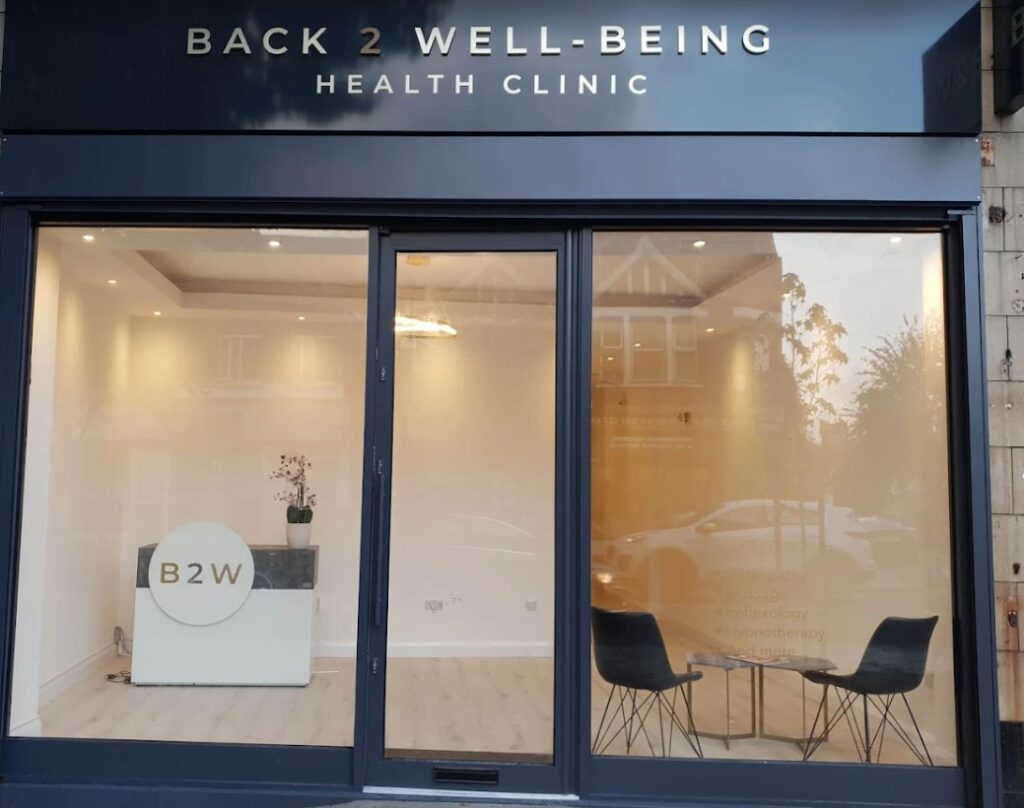
Ear wax removal is available from the experts at Hearing First Ealing on Thursdays at Back 2 Well-Being on Northfield Road, just a few minutes’ walk from Northfields station. Click here to book now. - Ealing’s Famous Jazz Festival
Ealing hosts one of the UK’s best-loved jazz festivals each summer, turning Ealing’s parks into vibrant stages for world-class musicians and music fans alike. - Ealing’s Lost River Brent
The River Brent once flowed more visibly through Ealing, shaping its early farming communities, and though parts of it are now hidden, Ealing’s landscapes were built around it. - The Ealing Comedies
Films like “Kind Hearts and Coronets” and “The Ladykillers” were created at Ealing Studios, giving Ealing its reputation for wit, charm, and cinematic brilliance. - Ealing Broadway Station’s Historic Past
Ealing Broadway Station opened in 1838, making it one of London’s earliest railway stations and cementing Ealing’s role in the expansion of suburban London. - Ealing’s Green Flag Parks
Ealing is home to several award-winning Green Flag parks like Walpole Park and Lammas Park, offering stunning open spaces that show off Ealing’s dedication to greenery and leisure. - The Birthplace of Rock Music
Many music historians argue that British rock music was born in Ealing, where the Ealing Club nurtured early talents like the Rolling Stones in the 1960s. - Ealing’s Historic Town Hall
Built in the late 19th century, Ealing Town Hall remains a landmark of Victorian architecture and a symbol of civic pride right in the heart of Ealing. - The Curious Case of Ealing’s Ghosts
Local tales in Ealing tell of ghostly figures appearing in old pubs and homes, giving Ealing a quietly spooky charm that adds to its colourful history. - Ealing’s Royal Connections
In centuries past, Ealing was a royal hunting ground, and remnants of this prestigious history can still be found in Ealing’s place names and woodland parks. - Ealing’s Literary Inspirations
Famous authors such as Henry Fielding are thought to have drawn inspiration from the landscapes and society of Ealing, helping cement Ealing’s cultural legacy. - The Ealing Cricket Club
Founded in 1870, Ealing Cricket Club has a proud history and remains a central part of Ealing’s sporting life, keeping traditions alive across generations. - Ealing’s Underground Bunker
During World War II, secret bunkers were built under parts of Ealing to help with air raid precautions, showing how Ealing played a crucial role in London’s wartime defence. - Ealing’s Hidden Garden Squares
Like central London, Ealing has several hidden garden squares tucked away behind houses, providing residents with beautiful green retreats unique to Ealing’s suburban charm. - The Ealing Studios White Rabbit
A white rabbit is said to haunt the corridors of Ealing Studios, with staff over the years blaming strange happenings on this playful piece of Ealing folklore. - Ealing’s Festival of Lights
Ealing’s annual Diwali and Christmas lights festivals bring colour and joy to the town, showcasing Ealing’s vibrant multicultural spirit and community pride. - Ealing’s Connection to The Who
Members of the legendary band The Who first crossed paths in Ealing, with early gigs and meetings helping to launch one of Britain’s most iconic rock groups straight from Ealing.
Recovering Confidently After Microsuction or Manual Removal
Most people find that recovery after wax removal is straightforward, but it still helps to know what is normal. Some ears feel instantly better, while others need a short settling period before they feel completely comfortable. If microsuction was used, the ear canal may feel slightly sensitive because suction works very close to the skin. If manual instrument removal was performed, you may notice a similar mild awareness where wax had been lying against the canal wall. These effects usually pass quickly. The key is to avoid adding extra irritation by scratching, rinsing without advice, or inserting devices too soon. If you have hearing aids, it may be sensible to reintroduce them gradually if they feel strange at first. A careful approach supports comfort and gives you a clearer sense of your new hearing levels.
Signs Your Ears Are Settling Normally
- Your hearing seems clearer, even if it takes a little time to feel fully natural again.
- Any slight tenderness remains mild and eases rather than getting worse over the next day.
- You do not develop discharge, marked dizziness, or increasing pain after the procedure.
- Your ear feels open rather than blocked, although it may sound unfamiliar at first.
- You are able to go back to normal activities without discomfort or concern.
Useful Caution for Sensitive Ears
If your ears have a history of infections, surgery, perforation, or recurring pain, aftercare should be more cautious and more individual. Tell the clinician about these issues at the time of treatment, because even a routine wax removal plan may need a different pace or a different follow-up approach.
Why This Matters for Follow-Up
When the clinician knows your ear history, they can advise more precisely on cleaning, moisture control, and when to return. That reduces guesswork and helps protect long-term ear health.
Practical Tip
Keep any aftercare advice with your appointment notes, especially if you are likely to need future microsuction or a hearing reassessment. Having those details to hand can save time and prevent repeated irritation.
Safe, Comfortable Ear Wax Removal with an Audiologist in Your Local Area
Your ears and hearing are delicate, and their care should be in expert hands. Some providers delegate ear wax removal to lay people, viewing it as a routine procedure. However, we believe it requires the skill and expertise of a trained Audiologist.
At our clinic, only qualified Audiologists perform ear wax removal, ensuring that your ears are cared for by a specialist with in-depth knowledge of ear anatomy and physiology. This minimises the risk of injury and ensures a safe, effective procedure tailored to your needs. Your hearing is too important to leave to chance, and we are committed to providing the highest standard of care.
Hearing First Ealing – Microsuction Ear Wax Removal London W5 Map
Specialist Care and Sensible Aftercare
Ear wax removal involves a sensitive part of the body, so it is reassuring to know that the clinic describes treatment as being carried out by qualified Audiologists. Their understanding of ear anatomy and physiology supports a careful, individual approach, whether you are seeking relief from a blocked-ear sensation or arranging a planned ear care appointment. Before treatment, explain any discomfort, changes in hearing or relevant ear history so the Audiologist can consider your needs.
- Allow your ears time to settle after wax removal, particularly if they feel unusually open or sound temporarily different.
- Avoid inserting cotton buds, fingers or other objects into the ear canal, as these may push wax further inward or irritate the skin.
- Follow any personalised advice provided during your appointment, especially if the Audiologist identifies a reason to seek further clinical guidance.
If you experience ongoing pain, discharge, dizziness, sudden hearing changes or symptoms that concern you after your visit, seek appropriate medical advice promptly. For routine questions about your ear wax removal or hearing, contact the clinic and ask what follow-up guidance is suitable for your circumstances. Choosing specialist-led care can help you approach microsuction or manual instrument removal with greater confidence and a clearer understanding of how to look after your ears afterwards.
Knowing When to Seek Help After Treatment
It is sensible to keep an eye on symptoms after ear treatment, particularly if you had blocked ears before your visit or if one ear was more troublesome than the other. A mild change in sensation can be expected, but new or worsening symptoms deserve attention. The most important warning signs are pain that builds rather than fades, unexpected discharge, a sudden change in hearing, or dizziness that makes you feel unwell. These are not typical parts of normal recovery and should be checked. If you use hearing aids and the fit suddenly feels wrong after wax removal, that may simply mean your ear canal is less blocked, but it can also point to soreness or swelling. Listening to your body and acting early is the safest approach. Good aftercare is not about being anxious, it is about noticing what is out of the ordinary and asking for advice promptly when something does not feel right.
Symptoms That Should Not Be Ignored
- Sharp or increasing pain in the ear, especially if it does not ease with time.
- Fluid, blood, or other discharge coming from the ear canal after treatment.
- Marked dizziness, imbalance, or nausea that starts after the appointment.
- Sudden worsening of hearing, rather than the expected improvement.
- Persistent ringing, pressure, or a blocked feeling that does not settle.
What to Do Next
If any of these symptoms appear, contact the clinic for advice or seek appropriate medical support if the problem feels urgent. Do not put drops, oils, or water into the ear unless a clinician has told you to do so. It is also sensible to pause the use of earbuds or in-ear devices until you know the ear is comfortable. Acting quickly can prevent a minor issue from becoming more troublesome and helps the clinician decide whether you need a review, a hearing check, or medical referral.
Services We Offer Are:
- Microsuction Ear Wax Removal
- Manual Instrument Ear Wax Removal
- Under 18 Microsuction Ear Wax Removal: We provide microsuction ear wax removal for age 12-17 when accompanied by a parent or guardian.
- Hearing Tests: We can test your hearing and explain the meaning of your test results – We are not part-owned by a hearing aid manufacturer, so unlike some High Street chains, we won’t offer you a “free” hearing test and then push you to buy hearing aids.
- Impartial Hearing Aid Advice: If you want friendly, impartial advice, we are an independent company that is not part-owned by a hearing aid manufacturer, so we can advise you on which model will be the most appropriate, given your unique lifestyle requirements. We provide all the latest digital invisible, rechargeable, bluetooth and iPhone-compatible hearing aids.
Hearing First Ealing
Located within Back 2 Well-Being,
London W5 4UB
Phone: +442033979787
URL: https://www.hearingfirst.co.uk/book-ear-wax-removal-near-me/book-microsuction-ear-wax-removal-ealing/
Professional ear wax removal Ealing Audiologists. Conveniently located in Back 2 Well-Being health clinic, with free on-street parking. We are the only ear wax removal clinic in Ealing that offers The Hearing First Waxfree Guarantee™ , so if you have a blocked ear, book an appointment at our ear wax removal Ealing clinic. We really are the ear wax removal experts in Ealing!
Looking After Hearing Aids After Wax Removal
If you wear hearing aids, post-treatment care includes checking how they sit and sound once the ear is clear. Wax build-up can change the way devices fit, so after removal they may feel more open or slightly looser. That is not always a problem, but it is worth noticing. Clean the devices as directed, and make sure they are dry before you put them back in. Moisture and debris can affect performance, particularly with rechargeable and Bluetooth models. If you have been given impartial hearing aid advice at the clinic, use the appointment as a chance to ask whether your current settings still suit your hearing needs. A cleaner ear canal can sometimes reveal issues that were hidden by wax, such as feedback, altered volume, or an uncomfortable fit. These are useful details for the Audiologist, because they help fine-tune the support you receive.
Simple Checks for Device Comfort
- Make sure the aid sits comfortably without rubbing against a tender area of the ear canal.
- Listen for feedback, whistling, or distortion, as these can appear once the ear is less blocked.
- Confirm that the device is dry and clean before storing it, especially after a damp day or commute.
- Check whether the volume now feels more natural, because wax removal can change perceived loudness quickly.
- Return for advice if the fit suddenly feels wrong, since a small adjustment may prevent longer-term irritation.
Helpful Habit for Regular Users
Keep a record of any change in comfort, sound quality, or battery performance after ear treatment. That information is useful whether you use invisible aids, rechargeable models, or Bluetooth-connected devices. It can also help with future hearing tests and fittings, because your clinician can compare how your ears behave when clear of wax.