Where To Locate Hearing First Kingston
This Content Revised on 07/08/2026 13:21
Waxfree Guarantee™: The only ear wax removal clinic in Kingston offering the Waxfree Guarantee™.
We’re the only specialist microsuction ear wax removal clinic in Kingston-upon-Thames providing Microsuction Earwax Removal and Manual Instrument Earwax Removal by our expert Audiologists. All of our earwax removal practitioners are hand-picked by our founder, Jason Levy. We really are the ear wax removal experts in Kingston.
Our convenient location in Kingston, Southwest London, also serves Kingston-Upon-Thames, Tolworth, Thames Ditton, East Molesey, West Molesey, Hersham, Claygate, Chessington, Hampton Wick, New Malden, Norbiton, Worcester Park, Bushey Park, Teddington, Twickenham, Sunbury-on-Thames, Cobham, Oxshott, Stoke D’Abernon, Stoneleigh, Ewell, Epsom, Leatherhead and Feltham.
Finding the Kingston Clinic for Hearing Care and Wax Removal
Hearing First Kingston is designed for people who want practical ear care, clear hearing advice, and a straightforward visit to an Audiologist-led clinic. If you are trying to locate the practice, think of it as a local stop for microsuction ear wax removal, hearing assessments, and impartial support with hearing aids, all under one roof. That makes it easier to deal with a blocked ear, reduced speech clarity, or ongoing listening strain without needing to bounce between different providers. For many patients, the priority is not just getting there, but knowing they are booking with a professional team that understands ear anatomy, hearing health, and aftercare. The clinic's Kingston setting also suits people who prefer a neighbourhood appointment rather than a large chain experience. If you are planning a visit, it helps to allow a little extra time, especially if you are unfamiliar with the area or are coming after work. A calm arrival usually leads to a calmer appointment, which is useful when you are already dealing with discomfort or uncertainty about your hearing.
What Makes This Local Hearing Clinic Useful
The main advantage of a Kingston hearing clinic like this is the range of support available in one place. Patients can come in for ear wax removal, then discuss hearing tests or hearing aid options if needed, without starting again elsewhere. That continuity matters, because wax build-up, tinnitus concerns, and subtle hearing loss can overlap and make symptoms feel confusing. An experienced Audiologist can help distinguish between a simple blocked-ear problem and something that needs a more detailed hearing evaluation. For families, older adults, and working professionals, that practical setup saves time and keeps care focused. It also helps when someone is nervous about treatment, because the same clinical team can explain the process, the expected outcome, and any follow-up steps in plain English. In a busy area such as Kingston upon Thames, a local clinic approach is often easier to manage than travelling to a distant centre for each stage of care.
How to Plan a Smooth First Appointment
Before you attend, gather any relevant background such as previous ear problems, recent infections, current hearing aid use, or a record of tinnitus symptoms. If you have had sudden hearing changes, ear pain, discharge, or dizziness, mention these clearly when you book, because they may affect the type of care you need. Bring a list of medicines if possible, especially blood thinners, as that can be useful for clinical decision-making. It is also sensible to arrive a little early so you are not rushed before your assessment. For children and teenagers, a parent or guardian should accompany the appointment where required, and that can make communication easier during treatment. If you are coming for hearing aid advice, it helps to think about your daily listening environments, such as meetings, family gatherings, TV sound, and outdoor use. That information gives the Audiologist a better picture of what works in real life, not just on paper.
Services We Offer Are:
- Microsuction Ear Wax Removal
- Manual Instrument Ear Wax Removal
- Under 18 Microsuction Ear Wax Removal: We provide microsuction ear wax removal for age 12-17 when accompanied by a parent or guardian.
- Hearing Tests: We can test your hearing and explain the meaning of your test results – We are not part-owned by a hearing aid manufacturer, so unlike some High Street chains, we won’t offer you a “free” hearing test and then push you to buy hearing aids.
- Impartial Hearing Aid Advice, Supply, Fitting and Aftercare: If you want friendly, impartial advice, we are an independent company that is not part-owned by a hearing aid manufacturer, so we can advise you on which model will be the most appropriate, given your unique lifestyle requirements. We provide all the latest digital invisible, rechargeable, bluetooth and iPhone-compatible hearing aids.
Hearing First Kingston
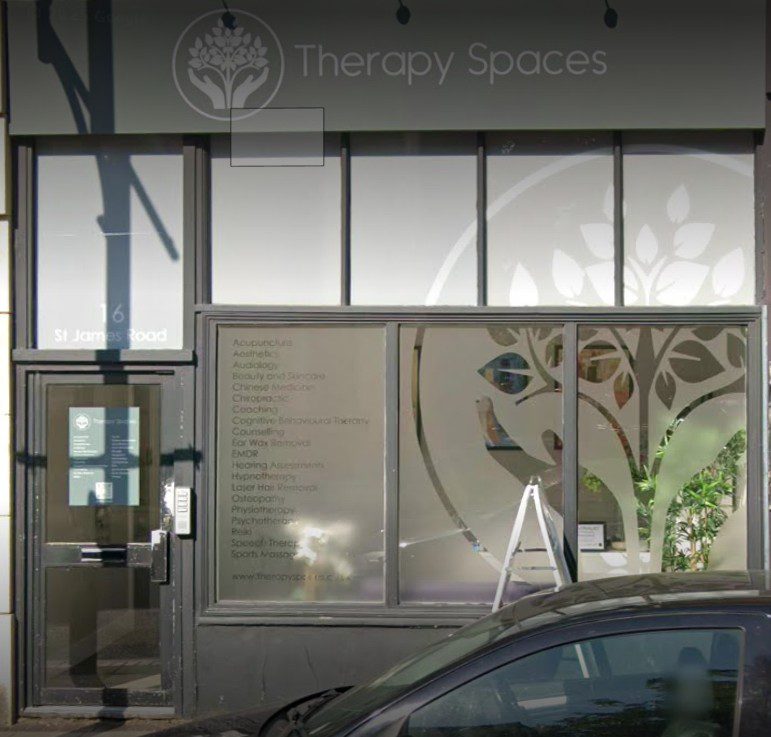
Located within Therapy Spaces,
Surbiton KT6 4QH
Phone: +442033979787
URL: https://www.hearingfirst.co.uk/book-ear-wax-removal-near-me/book-microsuction-ear-wax-removal-kingston/
Professional ear wax removal Kingston Audiologists. Conveniently located in Back 2 Well-Being health clinic, with free on-street parking. We are the only ear wax removal clinic in Kingston that offers The Hearing First Waxfree Guarantee™ , so if you have a blocked ear, book an appointment at our ear wax removal Kingston clinic. We really are the ear wax removal experts in Kingston!
Kingston Hearing and Ear Care Options
Hearing First Kingston brings ear care and hearing support together, helping patients address troublesome wax build-up while also understanding their wider hearing needs. Appointments can focus on microsuction or manual instrument removal, with the appropriate approach considered by an Audiologist. This is particularly useful for people experiencing a blocked-ear sensation, reduced clarity, or discomfort that they believe may be linked to ear wax.
For younger patients, microsuction ear wax removal is available for those aged 12 to 17 when accompanied by a parent or guardian. Adults who are concerned about hearing can also arrange a hearing test and receive an explanation of the results in clear, practical terms. If hearing aids are being considered, independent advice can help relate technology choices to everyday listening situations, personal preferences and lifestyle.
Modern hearing aid features may include discreet designs, rechargeable power, Bluetooth connectivity and iPhone compatibility. The most suitable option will depend on the individual, so it is sensible to discuss expectations, communication challenges and aftercare requirements during an appointment. Whether the priority is ear wax removal, a hearing assessment or impartial hearing aid guidance, contact the Kingston clinic to discuss the next appropriate step.
Ear Wax Removal and Hearing Tests Explained Clearly
Many people search for a Kingston clinic because they are not sure whether their symptoms come from ear wax or from a hearing problem. That is where a professional assessment becomes important. Microsuction ear wax removal and manual instrument removal are both commonly used techniques, and the most suitable method depends on the condition of the ear canal, the type of wax, and any relevant medical history. A hearing test can then help show whether reduced hearing remains once wax is cleared. This is especially helpful when sounds seem muffled, voices are harder to follow, or one ear feels less responsive than the other. The aim is not simply to remove wax, but to understand the cause of the problem and advise on the next step. In a good clinic, everything should be explained in a measured, patient way, so you can make informed choices. That is valuable for adults who want reassurance, as well as for anyone who has delayed treatment because they were unsure what the appointment would involve.
Who Can Benefit from This Type of Appointment
People often assume ear wax removal is only for extreme blockage, but smaller problems can still affect listening comfort and concentration. Office workers, teachers, students, parents and older adults may all notice that their hearing becomes less reliable when wax accumulates. The same applies to people who wear hearing aids, because wax can affect sound quality and device performance. A hearing test is also useful for anyone who has noticed missed words, difficulty hearing in restaurants, or strain when following speech in groups. For younger patients aged 12 to 17, microsuction may be available when accompanied by a parent or guardian, which gives families a practical route to care. The key point is that treatment is tailored, not generic. The Audiologist should look at the whole picture, including comfort, listening demands, and any previous ear history. That makes the appointment more useful than a quick fix, because it supports both immediate relief and better long-term hearing management.
What to Expect from a Careful Clinical Approach
A careful approach usually starts with inspection of the ears and a discussion of symptoms, followed by the selected removal technique or hearing assessment. During microsuction, many patients notice a sensation rather than pain, although experiences vary and the clinician should adapt to your comfort. Manual instrument methods may be appropriate in some cases, especially where the wax is close to the canal entrance or the ear needs a more delicate touch. If a hearing test is carried out, the results should be translated into plain language, with clear explanations of what the measurements mean in everyday listening terms. That matters, because test graphs alone do not tell you how speech, background noise, or fatigue may affect you. Good aftercare advice should cover what to do if the ear feels sensitive, when to return, and how to protect your hearing going forward. A well-run local clinic should leave you informed, not confused.
Small Details That Can Make the Visit Easier
Bring any hearing aids, previous test results, and a note of the symptoms you have noticed, because these details can help the appointment run more smoothly and save time during the consultation.
Why That Preparation Matters
When the clinician has a fuller picture, it is easier to decide whether wax removal alone is enough or whether you would also benefit from a hearing review or follow-up support. That can lead to a better outcome with less uncertainty.
How Must Does Ear Wax Removal in Kingston Cost?
Published Payment Methods
- Credit cards
- Debit cards
- Contactless or NFC payments
Payment information may change. Confirm prices, insurance eligibility and accepted methods directly with the provider. Place attributes are provided by Google Maps.
Ear wax removal in Kingston starts at £34. Pricing can vary if it is one or two ears, at peak or off-peak times, and how far in advance the booking is made.
20 Interesting Facts About Kingston
- Pre-Raphaelite Muse
The Hogsmill River in Kingston-upon-Thames inspired John Everett Millais’ 1852 painting Ophelia. He sketched its banks for the iconic Shakespearean scene, though locals joked the model (floating in a bathtub) “looked more like a drowned librarian than a tragic heroine.” - Birthplace of Modern Football?
Kingston-upon-Thames hosted early Football Association meetings in the 1860s. The 1863 “Kingston Rules” draft, lost in a pub fire, allegedly proposed banning headers—a rule later scrapped to the relief of footballers everywhere. - Alice in Wonderland’s Local Link
Lewis Carroll’s brother, Reverend Edwin Dodgson, lived in Kingston-upon-Thames. Carroll visited often, and locals claim the town’s maze-like alleys inspired the Alice books’ whimsical settings. - Ear Wax Removal in Kingston
Ear wax removal is available from the experts at Hearing First Kingston on Mondays in Therapy Spaces on St James’ Road, just a couple of minutes’ walk from Surbiton station in KT6. Click here to book now. - Britain’s Oldest Phone Box
A rare 1926 K1 telephone box stands outside Kingston-upon-Thames’s Guildhall—the oldest surviving model in the UK. Residents fought to preserve it in 2010, dubbing it “the red guardian of gossip.” - Ghost Trams of Kingston
Kingston-upon-Thames had electric trams from 1906–1931. Old tracks occasionally resurface during roadworks, and drivers swear phantom “clangs” echo near Eden Street—especially on foggy nights. - First Waitrose Store
Waitrose opened its first-ever shop on Kingston-upon-Thames’s Bentall Centre site in 1904. It sold “fancy groceries” to wealthy residents, including quail eggs and truffles—a far cry from today’s meal deals. - Viking Raid Survivor
In 1009, Viking longships raided Kingston-upon-Thames, burning Saxon homes. A 2022 dig near the Thames uncovered charred wheat grains and a melted silver brooch—proof of the town’s fiery past. - Scandalous Novelist’s Hideout
John Cleland wrote Fanny Hill (1748), one of England’s first erotic novels, while living in Kingston-upon-Thames. Authorities banned it, but pirated copies circulated via the town’s clandestine printers. - Surbiton Lagoon’s Secret Twin
Before Surbiton’s lido, Kingston-upon-Thames had its own riverside bathing spot at Tagg’s Island (1890s). Nicknamed “The Floating Spa,” it sank in 1914 after a champagne-soaked party overloaded the pontoons. - London’s Only Chalk Stream
The Hogsmill is one of London’s rare chalk streams, home to endangered water voles. Kingston-upon-Thames’s “Vole Patrol” volunteers track them, joking about rodent “celebrities” with names like Vinnie the Vole. - Trailblazing Female Mayor
In 1906, Elizabeth Cox became Kingston-upon-Thames’s first female mayor. She banned corsets at council meetings, declaring them “a barrier to clear thinking and deep breathing.” - Occultist’s Suburban Lair
Aleister Crowley, the “Wickedest Man in the World,” lived in Kingston-upon-Thames in 1918. Neighbors complained about midnight rituals, but his diary just noted: “Baked scones, summoned Beelzebub. Rain ruined both.” - WWI Zeppelin Panic
In 1915, a German Zeppelin bombed Kingston-upon-Thames, damaging the Bentalls store. No one died, but the “Great Underwear Explosion” left lingerie floating over the Thames for days. - Queen Victoria’s Stone Snub
In 1887, a replica Coronation Stone was made for Victoria’s Jubilee—but she refused to sit on it, calling it “a lumpy relic.” It’s now in Kingston-upon-Thames’s All Saints’ Church, ignored by royalists and pigeons alike. - Saxon Gold Hoard
A 2021 metal detectorist uncovered a 7th-century Saxon burial site near Kingston-upon-Thames, including a gold belt buckle and spearheads. Archaeologists dubbed it “Kingston’s Sutton Hoo,” minus the ship. - Bentalls’ Christmas Spectacle
In 1955, Bentalls debuted London’s first animated Christmas window display. Crowds flocked to Kingston-upon-Thames to see robotic elves, causing traffic jams so bad the army was called in—twice. - Chess Championship Chaos
Kingston-upon-Thames hosted the 1897 British Chess Championship. A player stormed out after losing, hurling his king into the Thames. The piece washed up weeks later, rusted but still regal. - The Omen’s Local Curse
Parts of The Omen (1976) were filmed in Kingston-upon-Thames. Crews reported eerie mishaps, including a sudden hailstorm during the “Damien’s birthday” scene—locals blame Satan, not Surrey’s weather. - Kingston Flyer’s Steam Revival
The “Kingston Flyer,” a 19th-century steam train, once shuttled day-trippers to Hampton Court. Restored in 2023, it now runs themed “Murder Mystery” rides where passengers solve faux crimes—with tea and scones included.
Independent Hearing Aid Advice for Everyday Listening Needs
If you are looking for hearing aid support in Kingston, independent advice can be particularly helpful because it keeps the focus on your needs rather than on a single manufacturer. Hearing technology has moved on quickly, and many devices now include rechargeable batteries, Bluetooth streaming, discreet styling and compatibility with iPhone devices. Those features are useful, but only if they match the way you live. Some people need stronger support for busy workplaces, while others care more about comfort, simplicity and easy charging. A good consultation should look at your home life, social habits, and communication challenges before suggesting any model or fitting plan. That is the benefit of seeing an Audiologist who can explain the options without pressure. If you have never worn hearing aids before, the range of choices can feel overwhelming, so it helps to talk through the trade-offs slowly. For experienced users, an honest review can highlight whether current devices still suit changing hearing needs. Either way, the goal is practical improvement, not a hard sell.
How Impartial Guidance Helps You Choose Well
Impartial hearing aid advice matters because the best device for one person may be the wrong choice for another. Someone who spends time in meetings may prioritise speech clarity and directional performance, while someone else may want a simple rechargeable model that is easy to handle each day. Factors such as ear shape, dexterity, cosmetic preference and listening environments should all be considered. The right recommendation should also take aftercare into account, because adjustments, cleaning and follow-up appointments are part of long-term success. An independent clinic is better placed to compare options across different styles and feature sets without pushing one brand above another. That means the conversation can stay centred on comfort, hearing goals and day-to-day usability. When hearing aid advice is done well, it can reduce doubt and help you choose a solution that feels manageable rather than technical. In practice, that often leads to better use, better compliance and better satisfaction over time.
- Consider the places where you struggle most, such as noisy pubs, family dinners, work meetings or watching television, because these situations reveal what your hearing aid must do well.
- Think about handling and charging, since small controls, rechargeable cases and battery access can make a big difference to daily ease of use.
- Ask how the device deals with background noise, speech focus and sudden changes in volume, because these features affect real-world performance more than glossy descriptions do.
- Check whether the style suits your ear shape and wearing preferences, as comfort and retention matter just as much as technical specification.
- Make sure aftercare is clear, including fitting review, fine-tuning and cleaning support, because hearing aids usually work best when they are properly adjusted over time.
Safe, Comfortable Ear Wax Removal with an Audiologist in Your Local Area
Your ears and hearing are delicate, and their care should be in expert hands. Some providers delegate ear wax removal to lay people, viewing it as a routine procedure. However, we believe it requires the skill and expertise of a trained Audiologist.
At our clinic, only qualified Audiologists perform ear wax removal, ensuring that your ears are cared for by a specialist with in-depth knowledge of ear anatomy and physiology. This minimises the risk of injury and ensures a safe, effective procedure tailored to your needs. Your hearing is too important to leave to chance, and we are committed to providing the highest standard of care.
Hearing First Kingston – Microsuction Ear Wax Removal Kingston Kt6 Map
Why Local Ear Care Support Matters in Kingston
Choosing a local Kingston clinic for ear wax removal and hearing support can make the whole process feel more manageable. You are more likely to attend sooner when the location is convenient, and that means symptoms are less likely to drag on. A local service also gives continuity, which is useful if you need a follow-up hearing test after wax removal or want to review hearing aid performance later on. For many people, the real benefit is confidence. They know the appointment is being handled by an Audiologist who understands both the ear canal and the broader hearing picture. That combination is important because blocked ears can mask hearing loss, and hearing loss can sometimes be mistaken for wax. A local clinic can help you work through those possibilities in an orderly way. Whether you are booking for yourself, a parent, a partner or a teenager, the easier it is to reach the clinic, the more likely it is that you will deal with the issue before it affects work, conversation or quality of life.
Signs That It May Be Time to Book
- Sounds seem dull or muted, and you find yourself turning up the television more often than usual.
- You feel pressure, fullness or a blocked sensation in one or both ears, especially after using cotton buds or earphones.
- Speech is harder to follow in noisy places, even when people are speaking clearly and at a normal volume.
- You have a history of wax build-up, previous ear problems or regular hearing aid use, and the symptoms feel familiar.
- You want a professional hearing check because you have noticed missed words, confusion in conversations or increasing listening fatigue.
How a Patient-Friendly Service Should Feel
A patient-friendly clinic should feel organised, calm and clear from the moment you make contact. The clinician should explain what will happen, what the likely options are, and what they recommend next, without using unnecessary jargon. That matters when someone is already anxious about ear treatment or worried that their hearing may be getting worse. You should feel able to ask questions about comfort, procedure length, aftercare and whether follow-up support might be needed. If you are considering hearing aids, the discussion should cover how often you use them, what environments challenge you, and whether you prefer discreet styling or easier handling. Good care is not just clinical skill, it is also communication. When that is done properly, patients leave with a better understanding of their ears, their hearing, and the next sensible step. In Kingston, that sort of support is often the reason people return to the same clinic when a new issue comes up.
A Simple Tip Before You Travel
If you are unsure about timing, plan to arrive a little early and avoid rushing, because a calmer start makes it easier to discuss symptoms clearly and complete the appointment without added stress.
Why Calm Timing Improves the Visit
When you are not under pressure, it is easier to describe the problem accurately, follow advice properly, and leave with a clearer sense of what to do next, which can make the whole visit more effective.